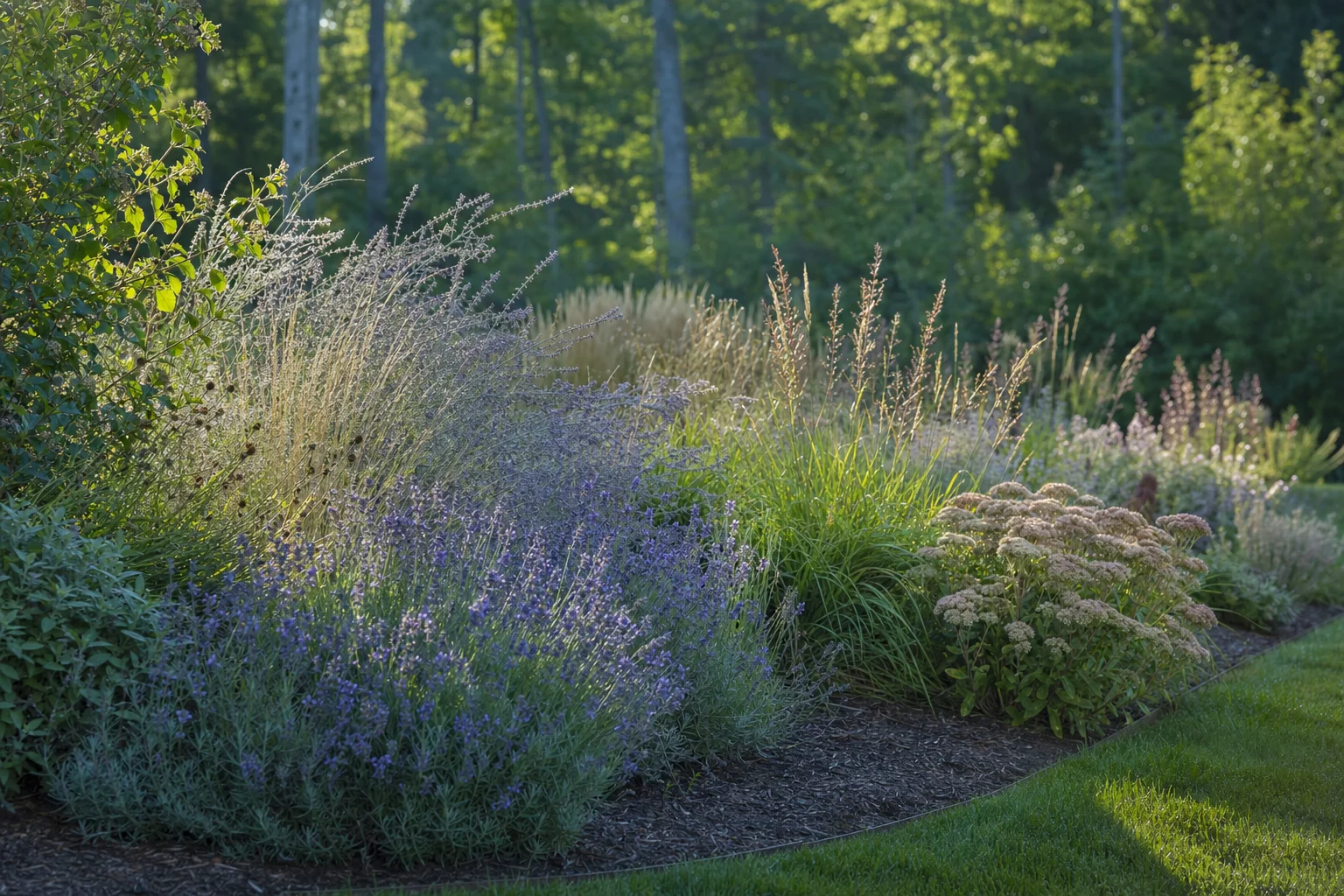
If deer keep nipping your favorite blooms down to stubs, the fix starts with choosing deer resistant plants that lean on strong scent, tough texture, or mild toxicity to make themselves unappetizing. For most sunny beds, lavender, Russian sage, ornamental grasses, yarrow, boxwood, and bee balm are dependable starting points, since deer routinely bypass them for softer growth nearby. Below you’ll find picks for perennials, shrubs, annuals, shade gardens, and edges, plus quick yes-or-no verdicts for popular flowers like hydrangea, geranium, and daylily.
Key Takeaways
- No plant is 100% deer-proof; scent, texture, and toxicity drive real resistance, not guarantees.
- Top sunny-bed picks: lavender, yarrow, bee balm, purple coneflower, and Russian sage.
- For shade, choose ferns, brunnera, and pachysandra over deer magnets like hosta and daylily.
- Local deer density and season change results, so ratings vary yard to yard.
- Confirming the exact species or cultivar you’re growing sets realistic resistance expectations.
Why Deer Avoid Certain Plants
Deer choose what to eat by smell, taste, and texture, not by a plant tag. Strongly aromatic foliage — the volatile oils in lavender, the pungent bite of alliums — overwhelms a deer’s nose and makes a plant far less appealing than milder greens nearby. Fuzzy, leathery, or prickly leaves are simply unpleasant to chew, and several popular garden plants carry mild toxins deer instinctively avoid.
No plant is completely deer-proof, and resistance shifts with local deer density, available forage, and season Cornell Cooperative Extension's deer-resistant plant ratings. Treat every list below as ‘deer resistant,’ not ‘deer-proof.’
Best Deer-Resistant Perennials
Lavender, catmint, Russian sage, yarrow, bee balm, and purple coneflower top the resistance charts for sun to part shade, all rated in the top tier by university extension programs Rutgers NJAES deer resistance rating list. They form a reliable border backbone and stay mostly low-maintenance once established — a bonus if you’re also after low maintenance deer resistant plants.
Deer-Resistant Shrubs and Evergreens
Boxwood, juniper, and butterfly bush are the most dependable deer-resistant shrubs for year-round structure and screening. Boxwood’s dense, aromatic foliage rarely tempts deer and holds its shape through repeated pruning. Junipers rely on aromatic needle oils, and butterfly bush pairs resistance with steady pollinator traffic. Spirea shows up often on resistant lists, but several varieties, including bridalwreath spirea, are rated only occasionally damaged Cornell Cooperative Extension's deer-resistant plant ratings — a generally low-risk choice, not a top-tier one.
- Boxwood — dense, aromatic foliage deer rarely touch
- Juniper — aromatic needle oils deter browsing
- Butterfly Bush — deer resistance plus pollinator appeal
- Spirea — generally low-risk, but only occasionally damaged per extension ratings
Deer-Resistant Annuals and Flowers
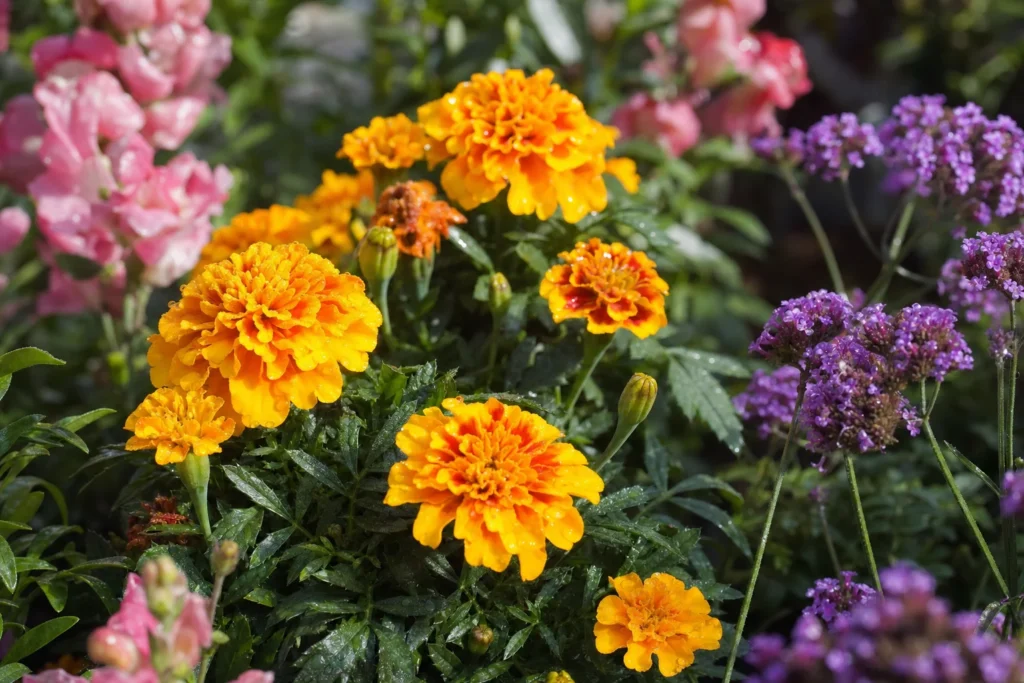
Marigold, ageratum, verbena, and snapdragon are the most reliable deer-resistant annuals for beds you replant yearly. Marigold’s pungent foliage is one of the most consistently avoided scents in the garden, and all four are confirmed low-risk by regional extension guidance Clemson HGIC's deer-resistant annuals and perennials list. Zonal geranium and wax begonia also land on the rarely-damaged list thanks to scented or fuzzy foliage.
Deer-Resistant Plants for Shade
For shade beds, brunnera, ferns, Japanese pachysandra, and astilbe outperform the two shade staples deer actually favor. Hosta is one of the most frequently browsed perennials on record, and daylily isn’t far behind — both are marketed as easy shade plants, yet deer treat them as a favorite snack.
- Brunnera — sandpaper-textured leaves deer dislike
- Ferns (Christmas, cinnamon, ostrich) — low nutritional appeal
- Japanese Pachysandra — spreading groundcover deer largely ignore
- Astilbe — feathery plumes, minimal browsing damage
Native Plants and Regional Considerations (Including Texas)
Well-adapted native plants often hold up better against deer, since local populations already have established feeding patterns around them. In high-pressure regions, including much of Texas, where deer density varies enormously by county, the safest approach isn’t a fixed list — it’s applying scent, texture, and toxicity logic everywhere you plant. Favor aromatic natives, tough or fuzzy-leaved perennials, and ornamental grasses over soft, unscented foliage, and adjust based on local deer habits.
Deer-Resistant Vegetable Gardens
No vegetable is truly deer-proof, since a vegetable garden is exactly the tender, water-rich growth deer prefer. Aromatic herbs like oregano and garlic chives are reliably low-risk, so interplanting them can help mask nearby crops. For food you depend on, fencing, netting, or covered beds remain the most dependable defense.
Deer-Resistant Climbing Plants
Climbers are tricky because ratings flip depending on variety and region. Clematis appears on both ‘rarely damaged’ and ‘frequently damaged’ lists depending on cultivar and local pressure, and wisteria’s vigor buys some protection but not full immunity. Treat any vine as a ‘monitor and adjust’ plant rather than a guaranteed pass.
Confirm What You're Actually Growing Before You Trust a 'Deer Resistant' Label
Deer resistance ratings are usually assigned to a whole genus or species, but individual cultivars can behave differently, and nursery tags are often wrong. Before assuming a plant is protected — or writing it off as a deer magnet — it helps to know exactly what you’re growing down to the cultivar level.
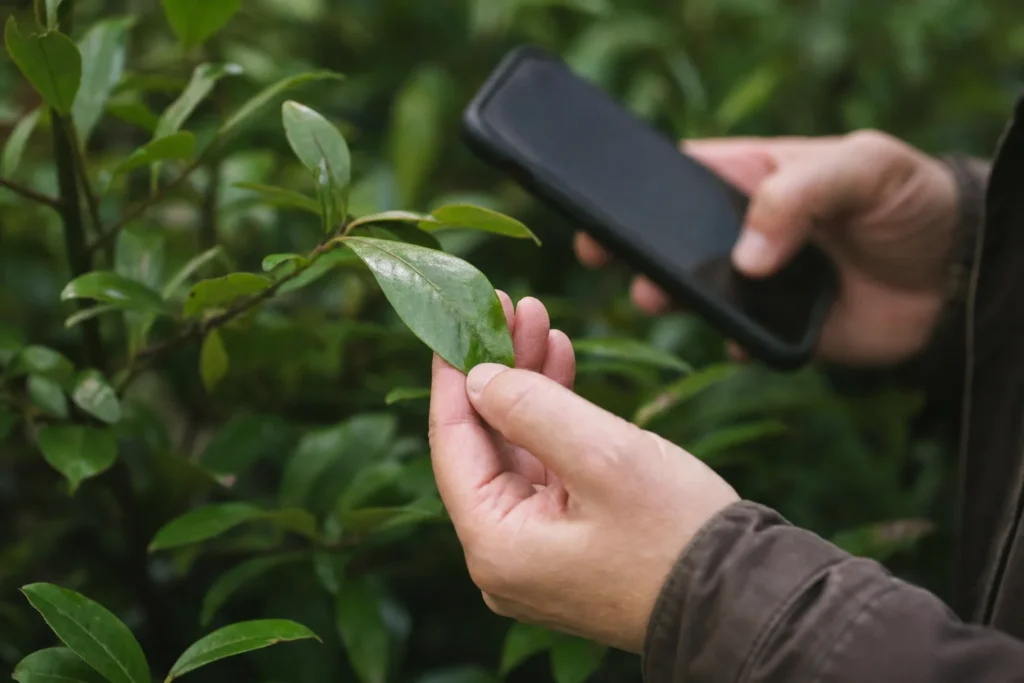
Plant ID by Innotent is built for exactly this kind of precision. Its AI model, refined over more than six years, has outperformed PlantNet, iNaturalist, and Google Lens in independent academic studies, covering more than 35,000 species of garden plants, houseplants, trees, succulents, and wild flora. It returns the correct species within its top three results 93% of the time, with detail precise enough to distinguish genus, species, and even rare varieties or cultivars — exactly what determines whether a plant matches a ‘rarely damaged’ rating or a ‘frequently damaged’ one. Snap a photo for an instant ID, then use the app’s AI-powered care guidance for watering, light, and fertilizer, and its virtual garden to track what you’ve planted and keep care reminders on schedule as the season goes on. It’s available for iPhone and iPad.
Is It Deer Resistant? Quick Verdicts for Popular Plants
Search around and you’ll find contradictory answers for some of the most commonly planted flowers. The table below shows what extension-based ratings actually report, plus honest answers where no formal rating exists.
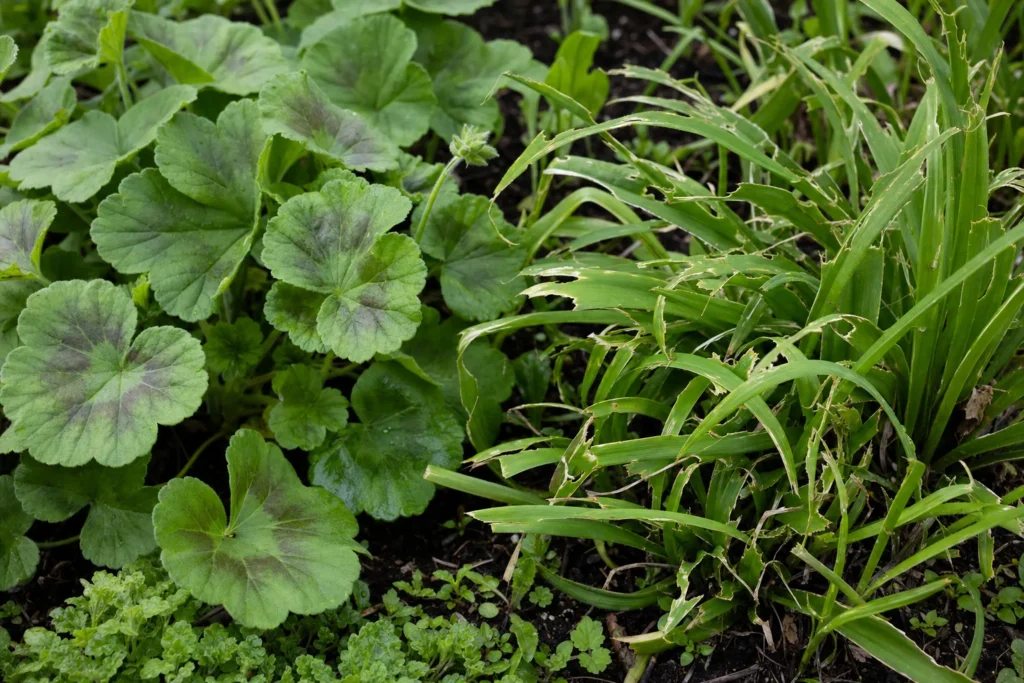
If a plant on this list looks chewed and you’re unsure whether deer, disease, or a pest is to blame, Plant ID by Innotent’s disease diagnosis feature can assess severity and suggest a treatment plan before you act.
Deer-Resistant vs. Rabbit-Resistant: Not the Same List
A deer-resistant plant isn’t automatically safe from rabbits, or vice versa — the two animals respond to different scent, taste, and height cues, and overlap between the two categories is far from complete. If rabbits are also a problem, check plants against a rabbit-specific list separately.
Final Thoughts: Building a Garden Deer Will Skip
The most deer-resistant gardens combine scented, tough-textured, or mildly toxic plants with realistic expectations — no single plant, and no single list, guarantees zero damage. Start with proven performers like lavender, yarrow, boxwood, and Russian sage, swap out known deer magnets like hosta and daylily in shade beds, and back up your highest-value plants with fencing or repellent as a second layer of defense.
Top Deer-Resistant Perennials for Sun to Part Shade
| Plant | Deer Resistance Rating | Why It Works |
|---|---|---|
| Yarrow | Rarely damaged | Feathery, aromatic foliage deer find unappealing |
| Bee Balm | Rarely damaged | Minty, pungent leaves mask its blooms from grazing deer |
| Lavender | Rarely damaged | Fragrant, fuzzy leaves deer instinctively avoid |
| Purple Coneflower | Rarely damaged | Bristly seed heads and rough foliage discourage browsing |
| False Indigo | Rarely damaged | Deep taproot plant with tough, unpalatable foliage |
| Astilbe | Rarely damaged | Fern-like texture holds little appeal for deer |
| Lamb’s Ear | Rarely damaged | Velvety, wool-textured leaves deer dislike touching |
| Ornamental Onion (Allium) | Rarely damaged | Pungent, oniony scent deters browsing |
Is It Deer Resistant? Quick Verdicts by Plant
| Plant | Verdict | Notes |
|---|---|---|
| Hydrangea | Occasionally damaged | Several types, including smooth and climbing hydrangea, land here; protect new growth |
| Hibiscus | Not separately rated | No extension rating found; soft, tender leaves fit plants deer often sample |
| Zonal Geranium | Rarely damaged | Scented, fuzzy foliage keeps deer away |
| Cranesbill (Hardy) Geranium | Occasionally damaged | Different from zonal geranium; browsed more often |
| Canna | Not separately rated | No rating found; broad, tender, unscented leaves suggest limited resistance |
| Aster | Not separately rated | No rating found; use fencing or repellent since it lacks a deterrent scent |
| Mums (Chrysanthemum) | Not separately rated | No rating found; tender growth makes it moderate-risk |
| Sedum | Occasionally damaged | Usually low priority but nibbled when food is scarce |
| Daylily | Frequently damaged | One of the most consistently deer-favored perennials |
| Peony | Occasionally damaged | Extension data doesn’t back up its ‘fail-safe’ reputation |
| Wax Begonia | Rarely damaged | Fuzzy stems and mild toxicity keep deer away |
Practical Deer-Proofing Tips
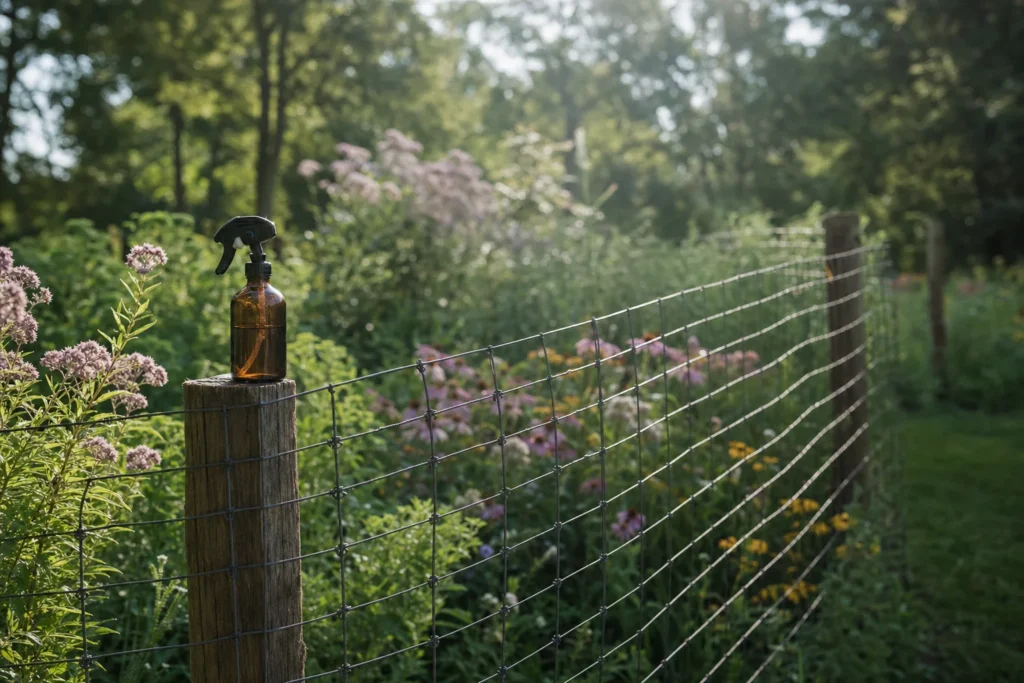
- Install fencing at least 8 feet tall around beds with your most valuable plants.
- Use motion-activated sprinklers or lights to startle deer before they settle in.
- Apply scent- or taste-based repellents on new growth, reapplying after rain.
- Interplant aromatic herbs like lavender, oregano, and ornamental onion among vulnerable plants.
- Add trunk guards to young trees each fall, when buck rub causes the most damage.
Frequently Asked Questions
What plant do deer hate most?
No single plant wins universally, but strongly aromatic options like lavender, catmint, and Russian sage are consistently avoided because their oils overwhelm a deer’s sense of smell.
What smell do deer absolutely hate?
Deer tend to avoid pungent scents — mint-family herbs, alliums like onion and garlic, and lavender — since these mask a plant’s flavor and appeal.
What can I plant around my garden to keep deer away?
A border of lavender, catmint, boxwood, and ornamental onion acts as a living deterrent, though it won’t replace fencing for your highest-value plants.
What are the prettiest deer-resistant shrubs?
Butterfly bush, spirea, and boxwood combine resistance with ornamental appeal — butterfly bush for pollinator-friendly blooms, spirea for season-long color, and boxwood for classic structure.