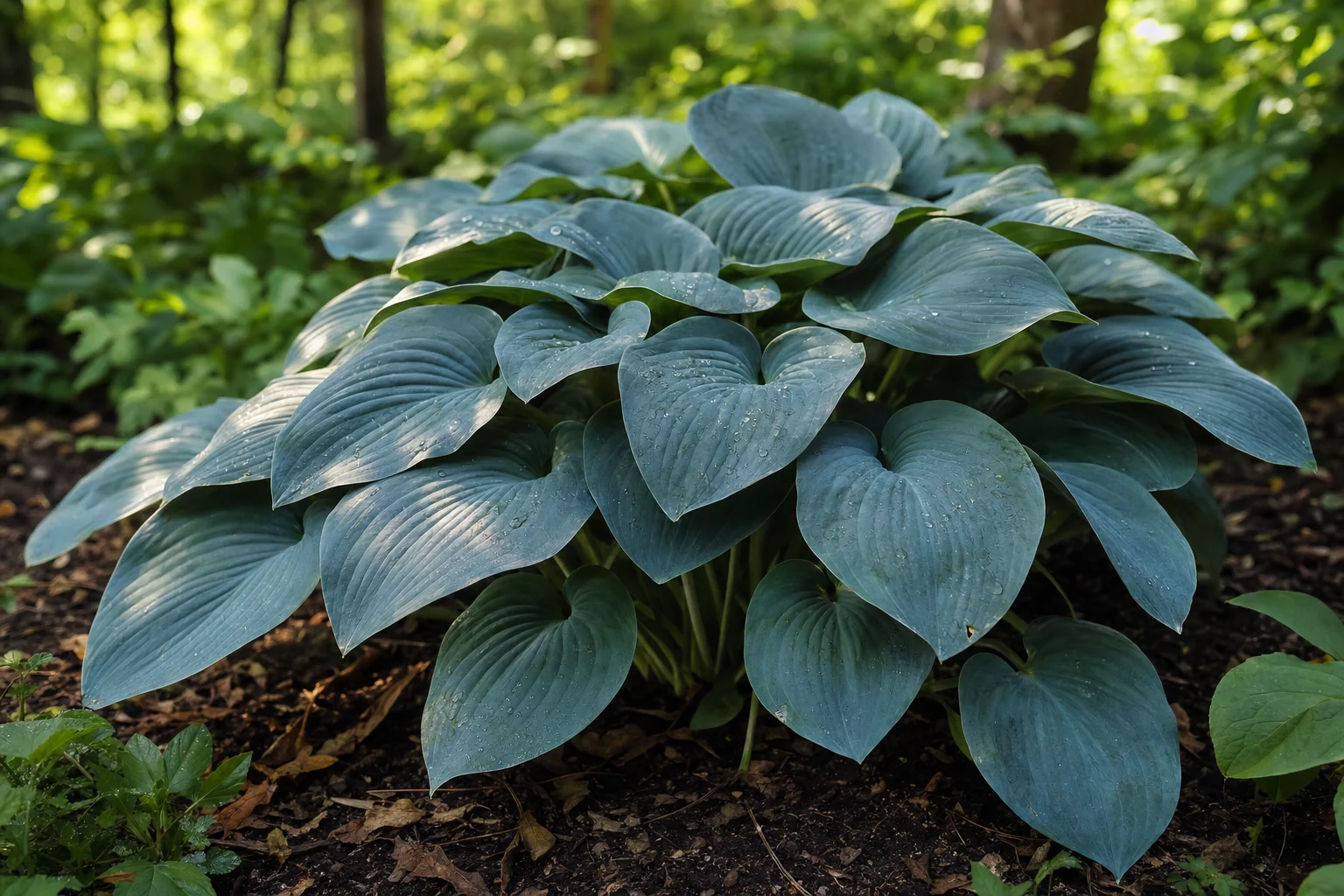
Here’s the short version: the midnight blue heart plant showing up in viral ads, with glowing neon-blue or black-and-blue heart-shaped leaves, isn’t real. No naturally occurring species grows foliage that color; those images are digitally altered to move seeds and bulbs. Real blue-toned relatives do exist, though, and this guide walks through which one to actually buy, how to keep it alive, and what red flags to watch for before you hand over any money.
Key Takeaways
- The neon or black-blue heart-leaf plant in viral ads is not a naturally occurring species; the photos are digitally altered.
- The closest real plant is Hosta ‘Blue Heart’ (Hosta sieboldiana), a shade perennial with heart-shaped leaves and a soft blue-grey cast.
- True hosta “blue” color comes from a waxy, glaucous leaf coating, not pigment, so it never looks neon.
- Buy real hostas as live plants or divisions from reputable nurseries; be skeptical of generic “seed” listings, since hostas rarely grow true from seed.
- No verified source confirms toxicity data for the viral plant, so treat any unidentified plant as unsafe around pets and children until confirmed.
What People Are Actually Seeing Online
Search “midnight blue heart plant” and you’ll land almost entirely on shopping pages — Amazon, Etsy, Walmart, and a handful of smaller seed sites — selling bulbs or seeds under names like “Midnight Blue Heart Hosta.” The product photos show heart-shaped leaves in an impossible, glowing indigo-to-black gradient. Look closer and some of these same listings bundle in totally unrelated plants, creeping thyme, hollyhock, even caladium, under that identical catchy name, which is a fair sign the seller is chasing search traffic rather than describing one real cultivar. Genuine buyer confusion backs this up: in at least one plant-identification Facebook group, a shopper who’d bought seeds based on these images asked why nothing she grew looked anything like the picture.
You don’t have to take a seller’s word for it, or guess your way through the red flags below. Photograph the actual leaf in front of you and run it through Plant ID by Innotent, which checks it against a botanic database covering more than 35,000 species of houseplants, garden plants, succulents, and wild flora, then returns genus, species, and even rare variety or cultivar names, with the correct match landing in its top three results 93% of the time. That single check tells you whether you’re holding a genuine Hosta ‘Blue Heart’ or something else being sold under a catchier name.
- No scientific name (genus and species) appears anywhere in the listing
- Leaf color looks oversaturated, glowing, or gradient — real hosta blue is soft and grey, never neon
- Product photos don’t match the written description, or the same images repeat across unrelated listings
Meet the Real Blue-Leaved Relative: Hosta 'Blue Heart'
The plant closest to what these listings are riffing on is Hosta ‘Blue Heart’, a cultivar of Hosta sieboldiana. It’s a clump-forming herbaceous perennial with simple, heart-shaped to ovate leaves and tall, erect flower spikes RHS plant profile for Hosta 'Blue Heart'.
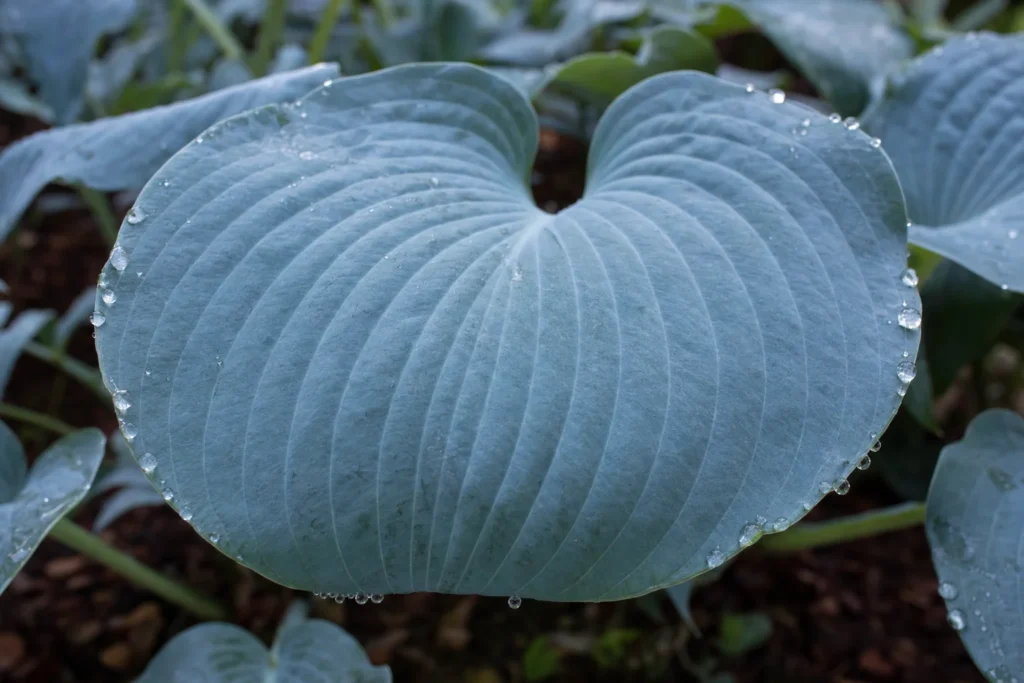
Its blue tone comes from a natural waxy, glaucous coating on the leaf surface rather than any blue pigment inside the leaf itself. That’s why even the bluest hostas read as a soft blue-grey in person, not the saturated midnight or near-black color plastered across viral photos.
Where to Actually Buy a Real Blue Hosta
Buy Hosta ‘Blue Heart’ as a live plant or bare-root division from a reputable nursery, not as seeds. That distinction matters: hostas are typically propagated vegetatively because seed-grown plants often don’t reliably inherit the parent’s exact leaf color or pattern. If a listing offers “midnight blue heart” seeds for a few dollars while promising true-to-photo blue-black leaves, that promise doesn’t line up with how hostas actually reproduce.
Once you’ve found a nursery listing that looks legitimate, cross-check the botanical name it uses against a reputable plant reference, and confirm what actually arrives at your door matches the description before you commit any further money.
Care Basics for a Real Blue Hosta
Plan to grow it outdoors rather than as a houseplant. Hostas, including ‘Blue Heart’, are outdoor shade perennials, not tropical houseplants, so keep that in mind if you’re picturing one thriving on a windowsill for years.
Indoor conditions rarely replicate the cool temperatures, high humidity, and dappled shade hostas need to do well, so treat “growing indoors” as a short-term arrangement, like overwintering a potted division, rather than a permanent setup.
Is the Midnight Blue Heart Plant Poisonous?
No verified source confirms toxicity data for the specific plant pictured in viral “midnight blue heart” listings, and that gap is part of the risk of buying an unidentified or fabricated cultivar in the first place. Until a plant’s exact species is confirmed, keep it out of reach of pets and small children, and contact a vet or poison control center right away if ingestion is suspected.

The Bottom Line on the Midnight Blue Heart Plant
The neon or black-and-blue heart-leaf plant flooding your feed and seed listings isn’t a real, naturally occurring species — it’s a marketing image — while Hosta ‘Blue Heart’ is the genuine, shade-loving perennial worth seeking out instead, with heart-shaped leaves and a soft, waxy blue-grey cast rather than the glowing color in those ads. Since Plant ID by Innotent covers a limited number of free identifications, plus free access to its plant community and care reminders, it’s an easy way to double-check any photo or nursery listing before you spend money on either one.
Viral Photos vs. the Real Plant
| "Midnight Blue Heart" (Viral Listings) | Hosta 'Blue Heart' (Real Plant) | |
|---|---|---|
| Leaf Color | Neon or near-black glowing blue, heavily saturated | Soft blue-grey from a natural waxy leaf coating |
| Scientific Name Given | Rarely provided | Hosta sieboldiana ‘Blue Heart’ |
| How It's Sold | Cheap seed packets promising true-to-photo color | Live plants or divisions from nurseries |
| Growing Habit | Unverified, sometimes bundled with unrelated seeds | Clump-forming outdoor shade perennial |
| Product Photos | Often mismatched or repeated across different listings | Consistent, verifiable plant photos from nursery sources |
Hosta 'Blue Heart' Care at a Glance
| Factor | What It Needs |
|---|---|
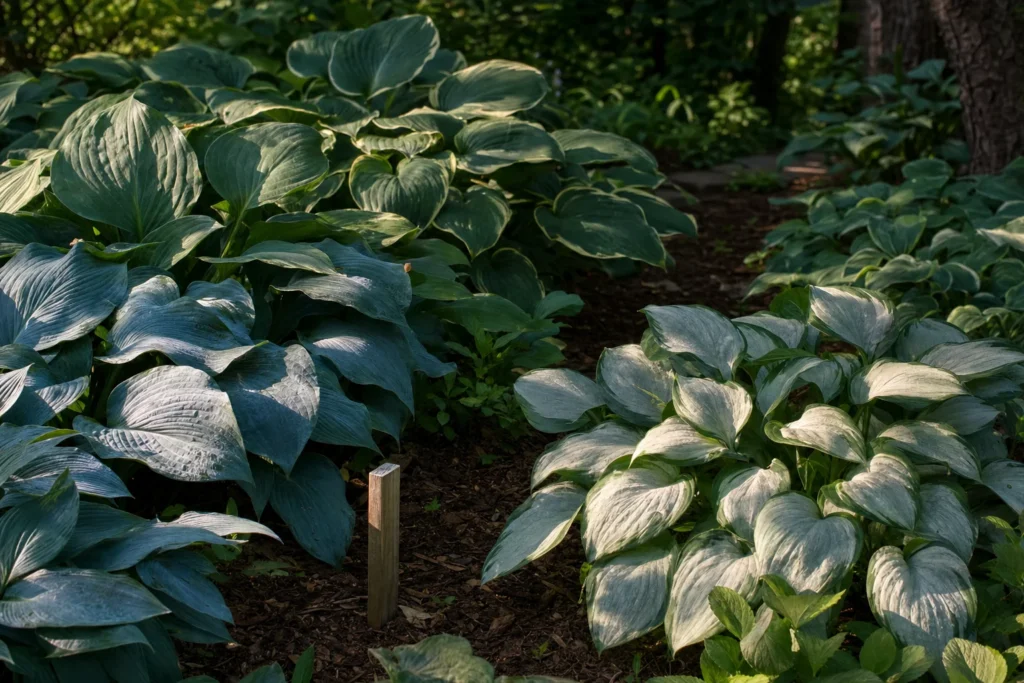
| Light | Partial to full shade |
| Soil | Moist, well-drained, rich in organic matter |
| Water | Consistently moist, never soggy |
| Setting | Outdoor shade garden bed, not an indoor houseplant |
Frequently Asked Questions
Are midnight blue heart hostas really blue?
Not the way viral photos show them. Real blue hostas get their color from a waxy, glaucous coating on the leaf surface, which reads as a soft blue-grey rather than a glowing neon or near-black blue.
Do midnight blue heart hostas come back every year?
A true Hosta ‘Blue Heart’ is a perennial, so a genuine plant returns each growing season. That reliability doesn’t extend to unverified seed listings sold under the same catchy name.
How do you care for a midnight blue plant?
If you mean the real hosta relative, give it partial to full shade, consistently moist and well-drained soil, and treat it as an outdoor shade perennial rather than an indoor houseplant.
Where can you buy a midnight blue heart plant?
Buy real blue hostas as live plants or divisions from reputable nurseries. Be cautious with generic online seed listings promising true-to-photo blue-black leaves, since hostas rarely grow true from seed.
Is the midnight blue heart plant real or a digitally altered image?
The neon and black-and-blue versions pictured in ads aren’t naturally occurring plants; they’re widely recognized as digitally altered marketing images used to sell seeds and bulbs.
Is it poisonous to pets or people?
No verified source confirms toxicity data for the specific plant shown in these listings. Until a plant is properly identified, keep it away from pets and children and contact poison control if ingestion is suspected.