
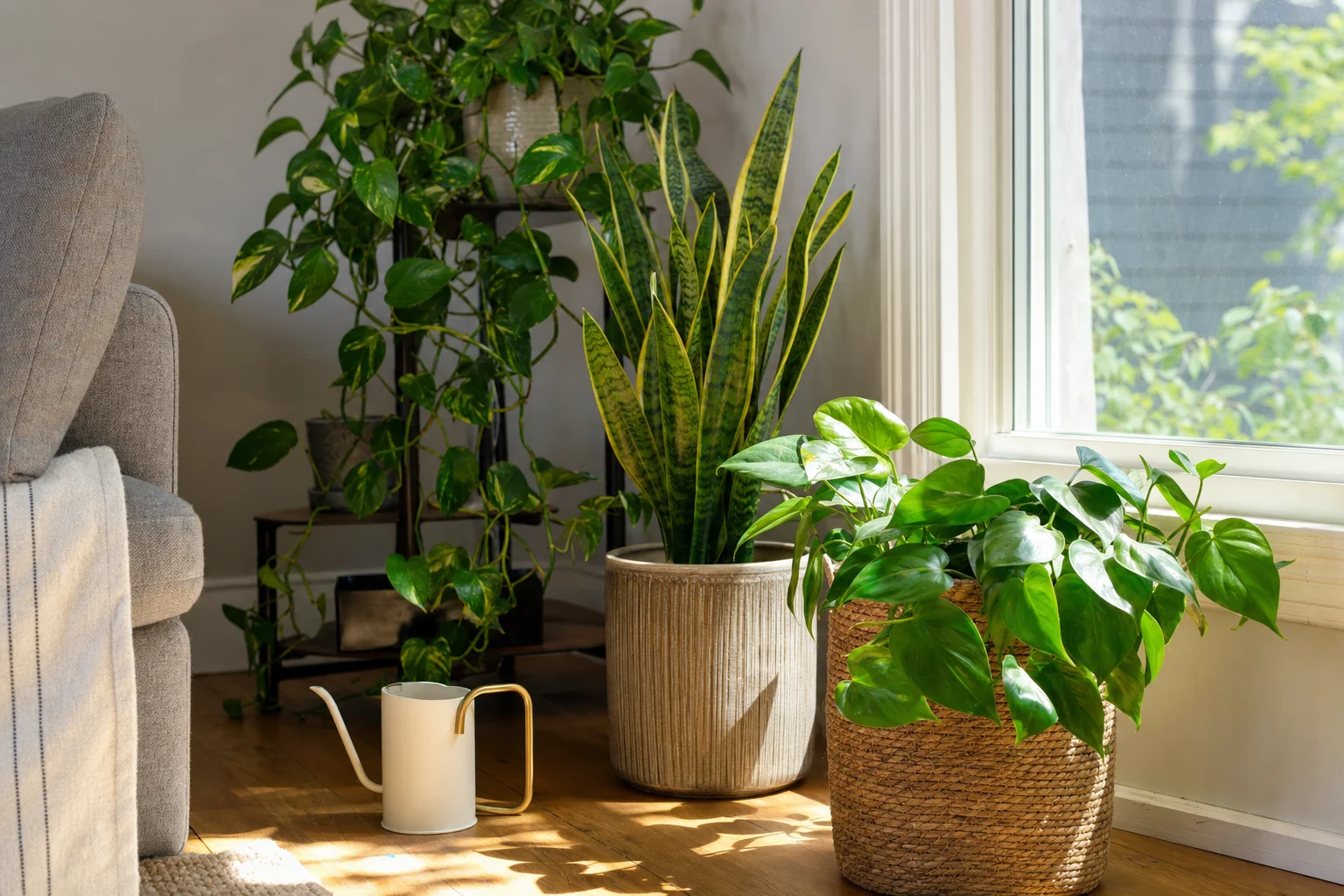
Houseplant care comes down to four essentials: enough of the right kind of light, watering only when the plant actually needs it, a pot with real drainage, and feeding during active growth. Nail those four and most common houseplants — pothos, snake plant, philodendron, and dozens of others — hold up fine with surprisingly little fuss. The catch is that the “right amount” of light and water depends entirely on which plant you’re growing, since a snake plant and a fern want almost opposite conditions. That’s why the first real step in houseplant care isn’t a watering can. It’s knowing exactly what plant you have in front of you.
Key Takeaways
- Houseplant care rests on four pillars: light, water, drainage, and feeding.
- Match light exposure (bright direct, bright indirect, or low) to what your specific plant needs.
- Check soil moisture with a finger test instead of watering on a fixed schedule.
- Always use pots with drainage holes and a well-draining potting mix.
- Reduce watering and stop fertilizing during winter dormancy.
- Snake plant, pothos, ZZ plant, and philodendron are the most forgiving choices for beginners.
Step 1: Know Your Plant and Its Needs
Misidentifying a plant is one of the most common, and most avoidable, causes of houseplant problems. A “low light” tag on the wrong species, or a watering routine borrowed from a different plant entirely, can quietly stress it out even when you’re doing everything else right.
This is where Plant ID by Innotent becomes genuinely useful rather than just another download. Point your camera at the plant and it works out genus, species, and often the specific variety or cultivar, drawing on a botanic database covering more than 35,000 species of houseplants, garden plants, trees, succulents, and wild flora. Independent academic studies have found it more accurate at this than PlantNet, iNaturalist, and Google Lens, putting the correct species in its top three results 93% of the time. Once it knows what you’re holding, it generates AI-powered watering, light, and fertilizer guidance specific to that plant, along with reminders that track when it actually needs attention.
A limited number of plant identifications are free, and the care reminders, community, and plant search features stay free no matter what. One limitation worth flagging upfront: it’s currently iPhone and iPad only, so Android owners are out of luck for now.
Light: Matching Plants to Your Space
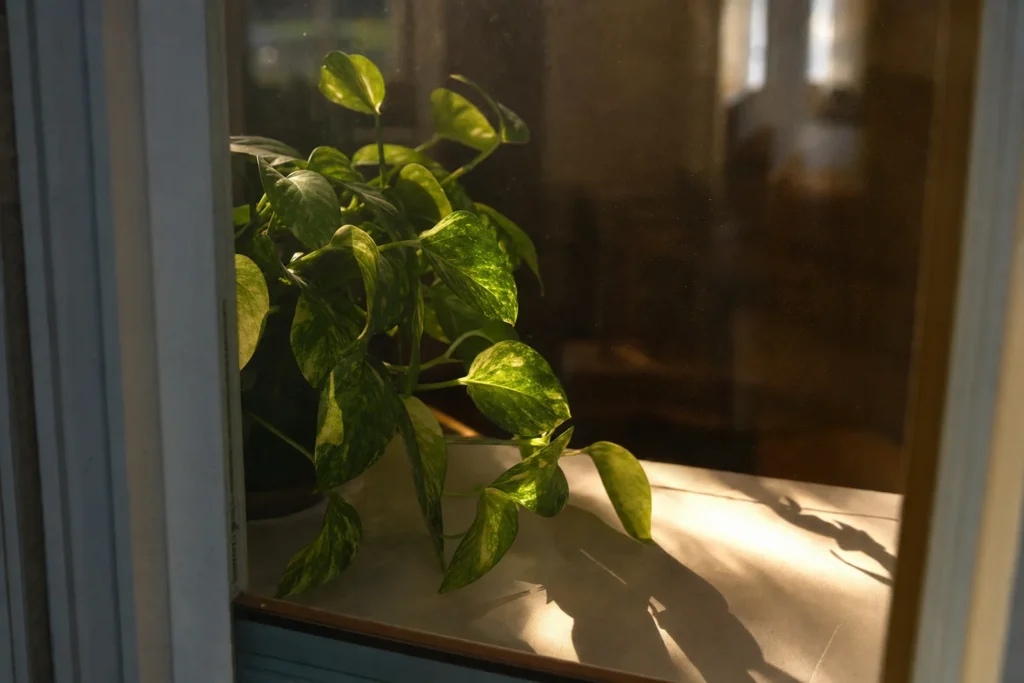
Houseplant light needs fall into three broad categories: bright direct, bright indirect, and low to moderate. Matching your plant to the right one prevents most light-related problems. Most plant tags describe light this way, but reading your own windows, which direction they face and how many hours of sun they actually get, matters just as much as reading the tag RHS houseplant care guide.
Bright, Direct Light
A south-facing window with several hours of unfiltered sun qualifies as bright direct light. Succulents and cacti thrive here; most other houseplants will scorch or yellow if left in direct sun through a window pane.
Bright, Indirect Light
This is the sweet spot for most popular houseplants, including pothos, philodendron, and many ficus varieties: a well-lit room near a window, but out of the sun’s direct path.
Low to Moderate Light
Snake plants, ZZ plants, and pothos tolerate low light better than almost anything else, though even “low light” plants need some daily natural light to survive long-term. If a room has no windows at all, a simple LED grow light can fill the gap.
Watering: How Much and How Often
More houseplants die from overwatering than from neglect. Instead of watering on a fixed schedule, check the soil: insert a finger about an inch deep, and water only if it feels dry at that depth.
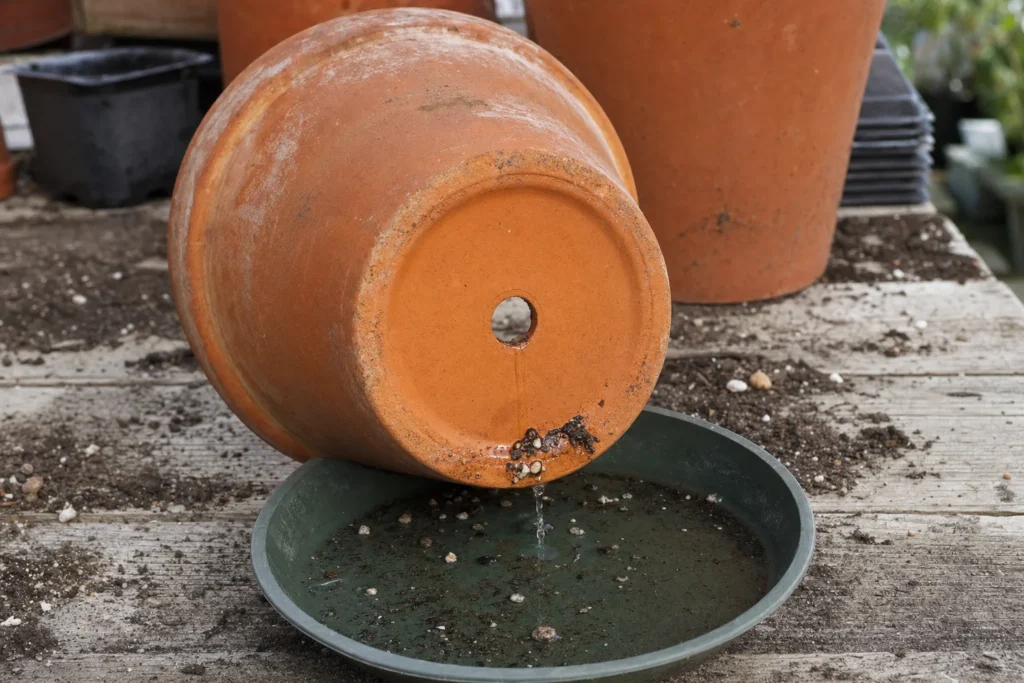
Water thoroughly until it runs through the drainage holes, then let any excess drain away rather than letting the pot sit in a full saucer. Plants also drink more during their active growing season, typically spring through fall, than during winter dormancy, so the same plant may need watering noticeably less often once the days get shorter.
Soil, Pots, and Drainage
A pot without a drainage hole is one of the fastest ways to lose a houseplant, no matter how careful you are with the watering can. Excess water has nowhere to go, and roots sit in it until they rot. Choose a well-draining, soilless potting mix, not garden soil, for most houseplants, and reserve specialty mixes for orchids, cacti, and African violets.
Feeding and Repotting
Houseplants only need fertilizer during active growth, generally once every one to two months from spring through fall; skip fertilizing in winter, when growth naturally slows. Signs a plant needs repotting include roots poking out of the drainage holes, soil that dries out unusually fast, or a rootball so dense it holds almost no loose soil. When in doubt, move up just one pot size. An oversized pot holds excess moisture and invites root rot.
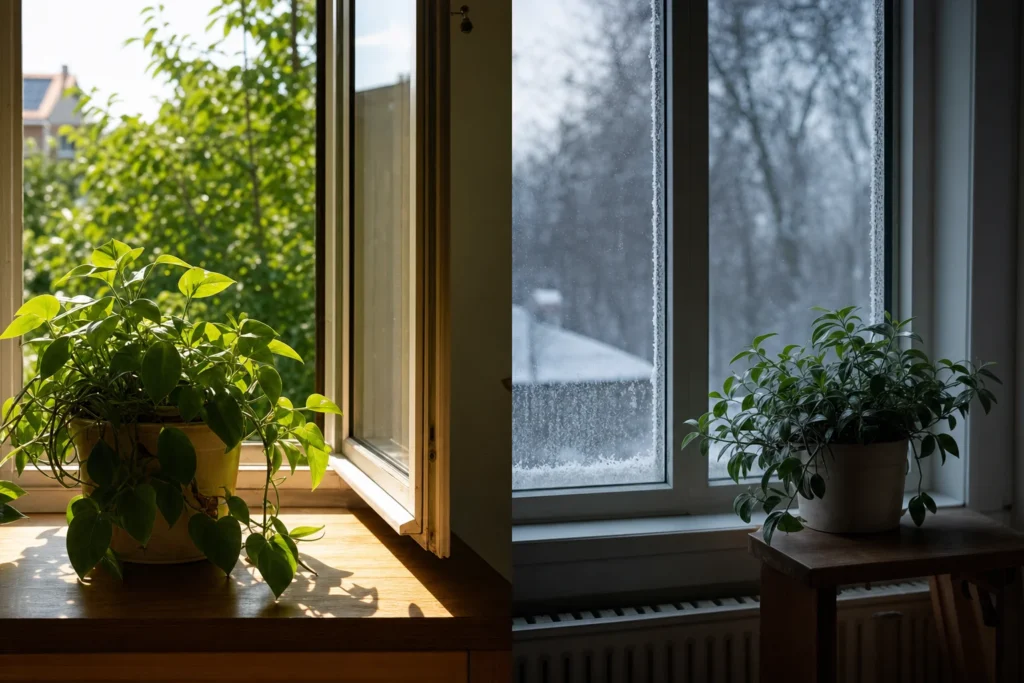
Seasonal Adjustment: Summer vs. Winter Care
Houseplant needs shift with the seasons. As daylight and growth slow in winter, plants need less water, no fertilizer, and protection from cold drafts. Adjusting for the season is what prevents both overwatering and cold damage during the darker months.
Most houseplants prefer temperatures between 65 and 75°F, and prolonged exposure below 50°F can damage them UF/IFAS houseplant temperature guidance, so move sensitive plants away from cold windowsills and drafty doors once winter sets in.
Troubleshooting: What Your Plant Is Telling You
Most houseplant problems announce themselves through a handful of recognizable symptoms — yellow leaves, drooping, leggy growth, brown tips — and matching the symptom to its most common cause is faster than guessing at a fix.
If the symptoms don’t match any of the causes above — an odd sticky residue, unusual spotting, or a leaf that’s declining fast for no clear reason — Plant ID by Innotent can examine a photo of the affected leaf, diagnose the underlying disease, and weigh how advanced it is before suggesting next steps, so you’re not left guessing whether it’s a quick fix or something that needs more attention.
Easiest Houseplants for Beginners
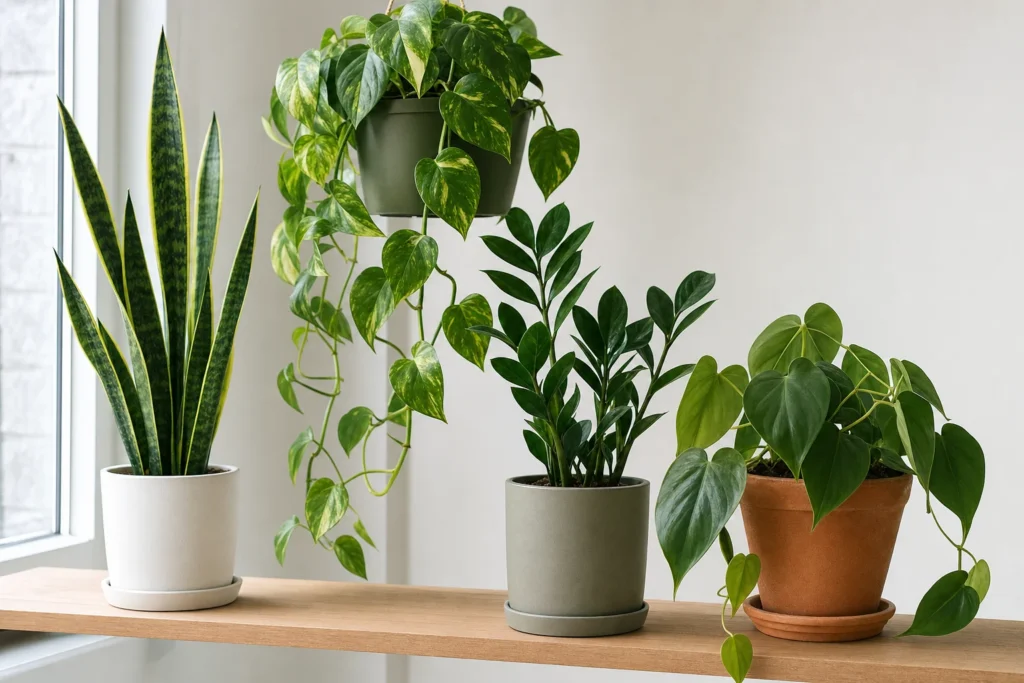
Snake plant, pothos, ZZ plant, and philodendron are widely regarded as the easiest houseplants to care for, tolerating irregular watering and a range of light conditions. That makes them a solid starting point for building confidence.
For a deeper dive into one of the toughest houseplants around, see our complete guide to snake plant care. If you want something bolder and more architectural once you’re ready to level up, our bird of paradise plant care guide covers a striking, if slightly more demanding, option.
- Snake plant (Sansevieria) — tolerates low light and irregular watering
- Pothos — thrives in almost any light and forgives missed waterings
- ZZ plant — stores water in its rhizomes and needs little attention
- Philodendron — adapts to a wide range of light levels
The Bottom Line on Houseplant Care
Consistent light, correct watering, real drainage, and a little seasonal awareness cover the vast majority of what any houseplant needs to thrive. The rest is just getting to know your specific plants over time. As your plant shelf fills up, Plant ID by Innotent’s community of more than 40,000 fellow growers is a solid place to ask when something looks off, and its saved-plant records make it easy to keep each one’s care routine straight without relying on memory.
Summer vs. Winter Houseplant Care
| Care Factor | Summer (Active Growth) | Winter (Dormancy) |
|---|---|---|
| Watering | Water when top inch of soil is dry; more frequent | Let soil dry further between waterings; less frequent |
| Fertilizing | Feed every 4-8 weeks (about once a month to every two months) | Stop fertilizing for most plants |
| Light | Watch for scorching near sunny windows | Move closer to windows to offset shorter days |
| Temperature/Drafts | Less of a concern | Keep plants away from cold drafts and windows |
Common Houseplant Symptoms and Likely Causes
| Symptom | Likely Cause |
|---|---|
| Yellow leaves | Overwatering, poor drainage, or natural leaf aging |
| Drooping or wilting | Underwatering, or root rot from a soggy pot |
| Leggy, stretched growth | Not enough light; plant is reaching toward a window |
| Brown, crispy leaf tips | Low humidity, tap water minerals, or underwatering |
| Stunted growth despite care | Root-bound plant that needs repotting or feeding |
Frequently Asked Questions
How do I know if my houseplant needs more or less light?
Faded leaves, stunted growth, and a lack of flowering signal too little light, while scorched or washed-out leaves signal too much direct sun. Move the plant a few feet closer to or farther from the window and watch how it responds over a couple of weeks.
How often should I water houseplants, and does it change in winter?
Check the top inch of soil with your finger and water only when it’s dry, rather than following a fixed schedule. Most plants need noticeably less water in winter, when growth slows, so the same plant might go from weekly to biweekly watering.
What are signs a houseplant needs repotting?
Roots growing out of the drainage holes, soil that dries out unusually fast, or a rootball with almost no loose soil left are all signs it’s time to move up one pot size.
How do I fix yellowing or drooping leaves?
Yellowing is most often caused by overwatering or poor drainage, while drooping can mean either underwatering or root rot from soil that’s stayed too wet. Let the soil dry out more between waterings and check that the pot drains freely before troubleshooting further.
What are the easiest low-maintenance houseplants for beginners?
Snake plant, pothos, ZZ plant, and philodendron are widely considered the most forgiving houseplants, tolerating irregular watering and a range of light conditions.