
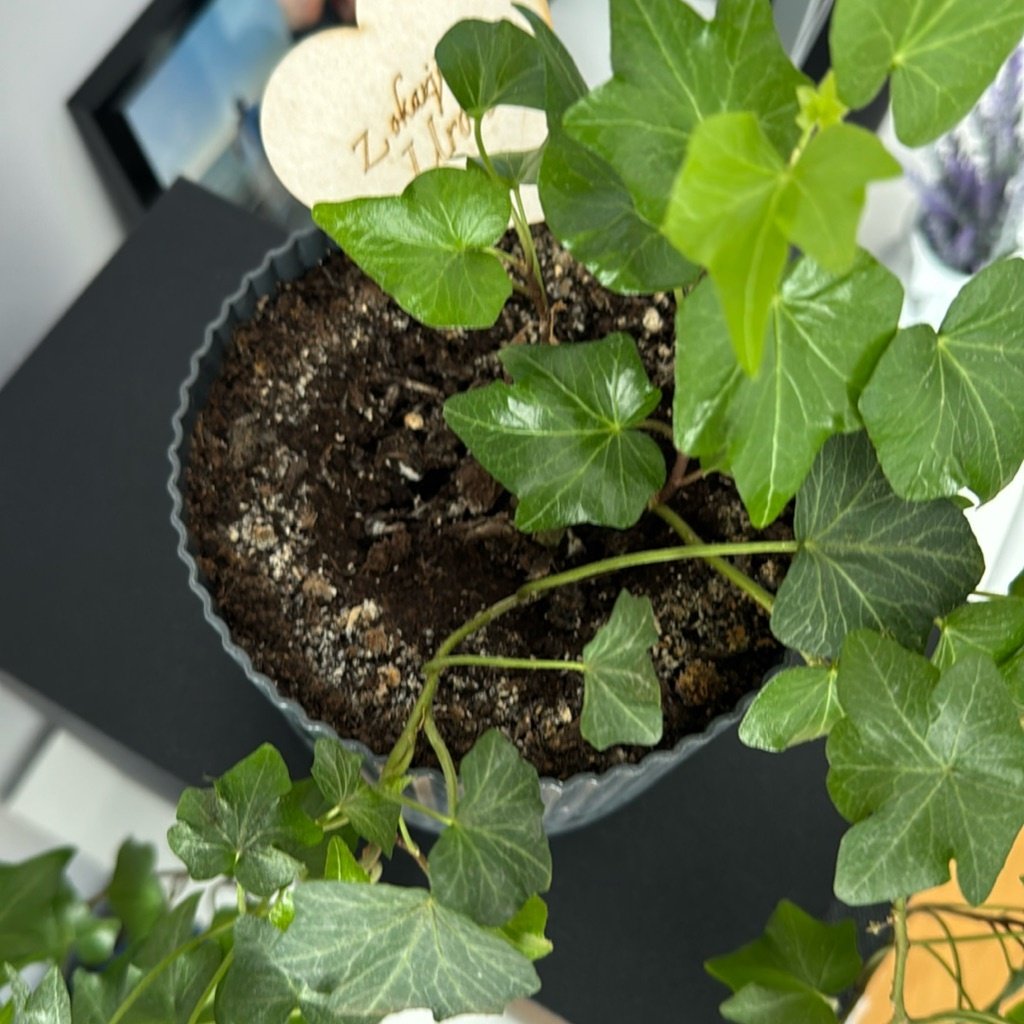
Hedera helix, commonly known as English ivy, is a vigorous and hardy evergreen vine native to Europe and Western Asia. Noted for its ability to climb surfaces through aerial rootlets, it can reach considerable heights as it matures. This plant features small, dark green leaves which are lobed in its juvenile stage and become more heart-shaped as it matures. Hedera helix is highly adaptable to indoor and outdoor environments, making it a popular choice for ground covers, wall covers, and decorative elements in containers. Besides its ornamental use, English ivy has been studied for its air-purifying capabilities, capable of absorbing molds and other indoor pollutants.
Archives: Plants
-
Coriander
Coriandrum sativum, commonly known as coriander or cilantro, is a fast-growing annual in the carrot family (Apiaceae). Native to the eastern Mediterranean and Southwest Asia, it forms a soft rosette of finely dissected, aromatic foliage used fresh as cilantro, while its spherical, ridged seeds (coriander) are harvested once umbels of tiny white to pink flowers set fruit. Plants reach 30–60 cm tall, with lower leaves broad and lobed, upper leaves feathery, and hollow stems. A cool-season herb, it prefers moderate temperatures and even moisture, bolting rapidly in heat or drought. Successive sowings extend the harvest. Highly valued in global cuisines, it lends citrusy, slightly peppery notes to salsas, curries, chutneys, and pickles. The flowers attract beneficial insects, making it a useful companion in diversified gardens. In containers, it thrives in a deep, well-drained pot with rich, friable soil. Because the taproot dislikes disturbance, it is best direct-sown or transplanted only when very young.
-
Common dogwood
Cornus sanguinea, commonly called common dogwood or bloodtwig dogwood, is a hardy, thicket-forming deciduous shrub native to much of Europe and western Asia. Typically 2–4 m tall and wide, it bears opposite, ovate leaves that flush medium green in spring, often developing orange-red to purple tints in autumn. Flat-topped clusters of small, creamy-white flowers open in late spring to early summer, attracting a variety of pollinators. These are followed by blue-black drupes relished by birds, which help disperse the seed. Young stems are green in summer but mature to glowing red in winter, providing valuable seasonal color, especially when plants are coppiced or stool-pruned to encourage vigorous new shoots. Adaptable to a range of soils, including chalky or clay sites, it tolerates periodic wetness as well as summer drought once established. Its dense, suckering habit stabilizes banks and makes excellent wildlife-friendly hedging, screens, and naturalistic plantings.
-
Crown of Thorns
Euphorbia milii, commonly called Crown of Thorns, is a shrubby, succulent euphorbia native to Madagascar’s dry spiny forests. It forms woody, gray-brown stems armed with paired, sharp thorns. Fleshy, obovate leaves cluster near the stem tips and are shed from older stems in drought or low light. The showy “flowers” are actually colorful bracts surrounding tiny cup-shaped cyathia; bract colors range from red and pink to salmon, yellow, and white, and can appear nearly year-round in strong light. Its milky latex sap is characteristic of Euphorbia and can irritate skin and eyes. In containers, plants typically reach 1–3 ft (30–90 cm), while landscape specimens in frost-free climates can grow larger and more branched. It thrives in bright sun, lean, fast-draining soil, and modest water, making it an excellent low-maintenance houseplant or patio specimen. Pruning encourages a compact, floriferous habit, and careful handling is essential due to spines and sap. Durable and drought-tolerant, it rewards consistent light with prolific, long-lasting bloom cycles.
-
Japanese cherry
Prunus serrulata, known as the Japanese cherry, is a deciduous ornamental tree celebrated for spectacular spring blossom. Reaching 6–12 m tall with a broad, often vase-shaped crown, it bears clusters of single to double flowers in shades from white to deep pink, often before bronze-tinted young leaves emerge. Summer foliage turns glossy green and transitions to orange, red, or copper in autumn, extending seasonal interest. The small dark drupes are generally sparse on ornamental cultivars and not grown for eating. Trees prefer fertile, well-drained soils and ample sun, and many selections are grafted onto compatible rootstocks. While relatively resilient, they are sensitive to waterlogging, heat stress, and certain fungal or bacterial diseases if airflow and siting are poor. With good placement and light pruning, they provide stunning, short-lived bloom displays that define spring in East Asia and temperate gardens worldwide.
-
Staghorn Fern
Platycerium bifurcatum, commonly known as the staghorn fern, is an epiphytic fern valued for its sculptural fronds and tree-dwelling habit. It forms two distinct frond types: rounded, overlapping shield (sterile) fronds that age to papery brown and hug the mount, and arching, antler-like fertile fronds that stay green and carry spores beneath. In nature it anchors to trunks and branches, trapping leaf litter and moisture to feed a shallow root pad. As a houseplant it is typically mounted on wood or grown in open baskets with sphagnum and coarse bark. It thrives in bright, filtered light, with thorough soakings followed by rapid drying and consistently moderate to high humidity. Good air movement is essential to prevent rot. Given stable warmth and proper care, it can grow into impressive, long-lived specimens and produce offsets (pups) that can be separated and shared.
-
Smokebush
Cotinus coggygria, commonly called smokebush or smoke tree, is a deciduous, multi-stemmed shrub or small tree prized for its airy, plume-like inflorescences that resemble drifting smoke. Typically maturing 10–15 ft (3–5 m) tall and wide, it bears rounded leaves that range from glaucous blue‑green to deep purple, depending on the cultivar, and provide spectacular autumn color in shades of yellow, orange, and red. In early summer, panicles of tiny flowers are followed by elongated, feathery pedicels that expand into the signature hazy effect. Native to dry, rocky slopes and open scrub, it thrives in well-drained soils and tolerates drought once established. Numerous cultivars, such as ‘Royal Purple’, ‘Grace’, and ‘Golden Spirit’, offer varied foliage colors and habits. With minimal maintenance, good drainage, and ample sun, smokebush serves as a dramatic focal point, screen, or backdrop in mixed borders.
-
Wire vine
Muehlenbeckia complexa, commonly called wire vine, is a vigorous, evergreen twiner or groundcover native to New Zealand’s coastal and lowland habitats. It forms dense, tangled mats or climbs by twining, with fine, wiry, dark brown to black stems and small, round to slightly ovate, glossy leaves that create a delicate, lacy texture. In late spring to summer it bears tiny greenish-white flowers that are lightly fragrant, followed by attractive, papery-white, translucent perianths surrounding dark achenes that birds readily disperse. Highly tolerant of wind, salt spray, and pruning, it excels in containers, hanging baskets, as a topiary frame-cloaker, or as a binding groundcover on banks. In mild climates it remains evergreen; in colder areas it may semi-deciduously thin out. Its rapid growth can become rambunctious, so regular trimming is recommended to maintain shape and prevent smothering neighboring plants. It thrives in well-drained soils and adapts to a range of light conditions.
-
Japanese laurel
Aucuba japonica is a shade-tolerant, broadleaf evergreen shrub prized for its glossy, leathery leaves and remarkable adaptability. Native to East Asia, it forms a dense, rounded habit, typically 4–8 ft (1.2–2.5 m) tall in cultivation, with many cultivars showcasing striking yellow speckles or marbling on rich green foliage. As a dioecious species, separate male and female plants are required for showy clusters of red berries that persist into winter and attract birds. It thrives in dappled light to full shade, where many other ornamentals struggle, and tolerates urban conditions, salt spray, pollution, and dry shade once established. In containers, it makes a handsome, long-lived house or patio plant. Aucuba prefers humus-rich, well-drained soil with steady moisture yet resents waterlogging. Indoors, provide bright, indirect light and consistent watering. Outdoors, it benefits from shelter from cold, drying winds. With minimal pruning and modest feeding, Aucuba japonica is an easy, resilient choice for shaded borders, entryways, and woodland gardens.
-
Rosemary
Salvia rosmarinus, widely known as rosemary, is an aromatic, evergreen shrub native to the Mediterranean Basin. It typically reaches 0.5–2 m tall, with rugged, woody stems and narrow, needle-like leaves that are glossy dark green above and pale, felted beneath. Two-lipped blue to violet flowers bloom from late winter through spring, often repeating in mild climates, and provide abundant nectar for bees and other pollinators. Adapted to drought, wind, and salt spray, rosemary thrives in lean, sharply drained, often calcareous soils and full sun with ample airflow. The foliage is rich in essential oils (notably 1,8-cineole, camphor, and α-pinene) that confer its distinctive fragrance and culinary value. Upright and prostrate cultivars make excellent hedges, container specimens, or groundcovers. While tolerant of poor soils, rosemary is intolerant of waterlogging and excessive fertilization, which can diminish flavor and invite root disease. With regular light pruning after bloom and strong light, plants remain dense, long-lived, and productive for both ornamental and edible uses.
