
Passiflora caerulea, the blue passionflower, is a vigorous, tendril-climbing vine prized for its extraordinary flowers and cold tolerance. Native to subtropical South America, it bears palmately lobed, glossy green leaves and intricate, fragrant blooms 8–10 cm across with white petals and striking blue to purple corona filaments. Flowering from late spring through early autumn, it attracts bees and other pollinators. The egg-shaped fruits ripen to orange and are generally edible but mild or bland in flavor. In warm climates it can be semi-evergreen; in cooler regions it may defoliate and resprout from the base. Outdoors it can reach 6–10 m with support, yet grows well in large containers with regular pruning. It prefers well-drained, fertile soil and ample sun. Notably hardy for a passionflower, it can withstand light to moderate frosts with root protection. Widely cultivated and naturalized in Mediterranean and other mild regions, it is used on trellises, fences, and pergolas to provide rapid coverage and spectacular summer displays.
Archives: Plants
-
Sweet mock-orange
Philadelphus coronarius is a hardy, deciduous shrub prized for its intensely fragrant, orange-blossom-scented flowers in late spring to early summer. Typically reaching 6–10 ft (1.8–3 m) tall and wide, it forms a dense, upright to arching silhouette with stout, green to brownish stems. Leaves are opposite, ovate, and finely serrated, often 2–4 in (5–10 cm) long, providing a lush backdrop for the blooms. Flowers are white, four-petaled, borne in short clusters, and highly attractive to bees and other pollinators. Adaptable to a range of soils, including calcareous and moderately alkaline conditions, it prefers well-drained sites and benefits from regular moisture while showing fair drought tolerance once established. Best flowering occurs in full sun, though light shade is tolerated. It is commonly planted as a specimen, in mixed shrub borders, or as an informal hedge where its fragrance can be appreciated. Relatively pest- and disease-resistant, it may occasionally show powdery mildew or aphids in stagnant, humid conditions.
-
Kumquat
Citrus japonica, commonly called kumquat, is an evergreen citrus forming a dense, finely branched shrub or small tree 2–4 m tall. It bears glossy, dark-green leaves and fragrant white blossoms that attract pollinators. The distinctive fruits are small (2–4 cm), oval to round, with a thin, sweet, edible rind and tart, juicy pulp—often eaten whole or used in marmalades, candying, and preserves. More cold-hardy than most citrus, kumquats thrive in containers and are prized for winter fruit display. Plants tolerate regular pruning and light shaping, and many cultivars (e.g., ‘Nagami’, ‘Meiwa’) are naturally compact with sparse small thorns. Bloom typically occurs in late spring to early summer, with fruit ripening from late autumn through winter. Kumquats prefer full sun, evenly moist yet well-drained, slightly acidic soil, and steady feeding during the growing season. Indoors, they demand the brightest possible light to flower and fruit reliably.
-
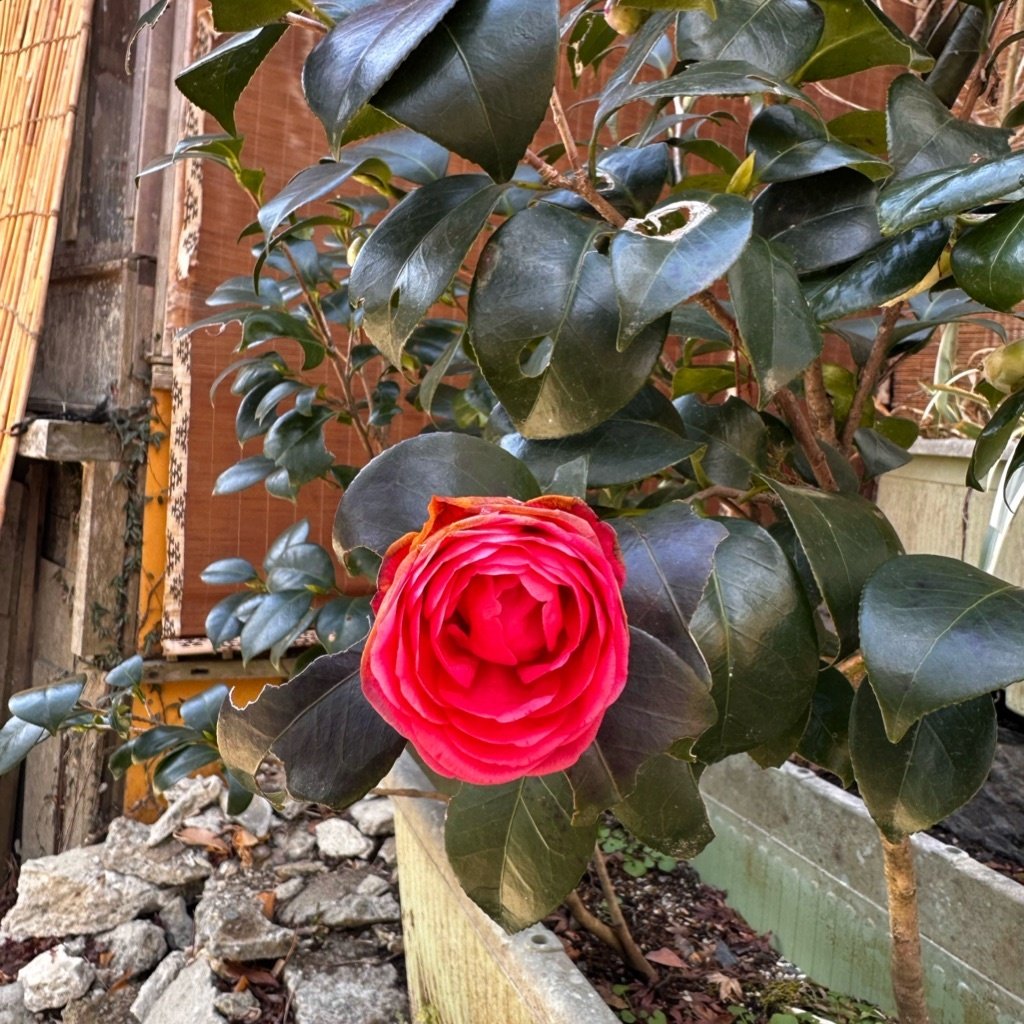
Japanese Camellia
Camellia japonica, commonly known as Japanese Camellia, is a flowering shrub or small tree native to Japan, Korea, and China. This evergreen plant is celebrated for its beautiful, ornate flowers which bloom typically in the winter or early spring. The blooms are large and can be found in a variety of colors including red, pink, white, and variegated patterns. The glossy, dark green leaves add a vibrant contrast to the colorful flowers. Japanese Camellias are highly valued in horticulture, and have been cultivated in gardens around the world for centuries. They are also used in traditional teas and for their edible oil.
-
Mealycup Sage
Salvia farinacea (mealycup sage) is a heat-loving herbaceous perennial native to Texas and northeastern Mexico, prized for long, upright spikes of violet-blue to lavender flowers from late spring to frost. Typically 18–36 in tall (45–90 cm) with a bushy, clump-forming habit, it bears lanceolate, gray-green, aromatic leaves on square stems typical of the mint family. The calyces are covered with a distinctive whitish, “farinose” bloom, which inspires the common name. It thrives in well-drained, moderately fertile soils and excels in borders, meadows, and containers, attracting bees, butterflies, and hummingbirds. Deadheading promotes continuous bloom; drought tolerance improves once established, though steady moisture maximizes performance. Plants are generally deer- and rabbit-resistant due to aromatic foliage. Widely available cultivars such as ‘Victoria Blue’, ‘Henry Duelberg’, and ‘Evolution’ offer compact forms and a range of blues to white. In warm climates (USDA 8–10) it overwinters as a short-lived perennial; in cooler regions it is typically grown as an annual or lifted and overwintered frost-free.
-
Norfolk Island pine
Araucaria heterophylla, commonly called the Norfolk Island pine, is an evergreen conifer native to Norfolk Island in the South Pacific. Despite its common name, it is not a true pine but a member of the ancient Araucariaceae family. In nature it can exceed 50 meters, forming a straight trunk with elegant, tiered whorls of soft, awl-like leaves that create a distinctive symmetrical silhouette. Indoors it is grown as a long-lived container specimen or seasonal “living Christmas tree.” It appreciates bright light, cool-to-moderate temperatures, and consistently moist yet well-drained, slightly acidic media. Sensitive to dry indoor air and low light, it may shed lower branches if stressed. Mature trees outdoors produce large cones, but flowering and seed set are rare in containers. Its salt and wind tolerance suit maritime habitats, but it is frost-tender. With stable light, moderate humidity, and careful watering, it remains an architectural focal point for many years.
-
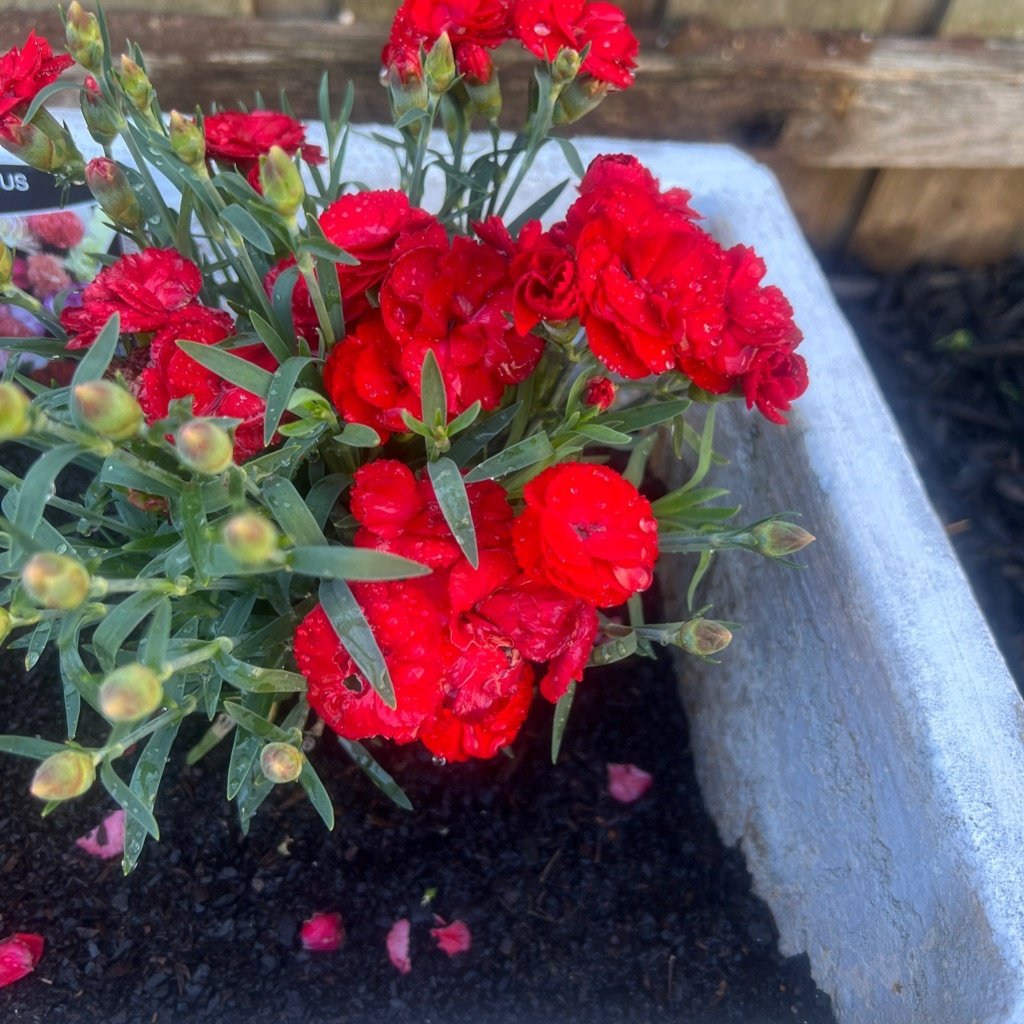
Carnation
Dianthus caryophyllus, commonly known as carnation or clove pink, is a species of flowering plant in the family Caryophyllaceae. Native to the Mediterranean region, this herbaceous perennial plant is renowned for its frilled, colorful flowers that emit a spicy, clove-like scent. Carnations stand about 12-24 inches tall and have slender, greyish-green to blue-green leaves. This plant has been widely cultivated for its flowers, which are popular both as cut flowers and for use in floral arrangements. Varieties range in color from white to pink, red, and yellow, and they bloom primarily in late spring and summer. Carnations require well-drained soil, moderate watering, and abundant sunlight to thrive.
-
Mango
Mangifera indica, commonly known as mango, is a long-lived, evergreen fruit tree native to the Indian subcontinent. It forms a dense, rounded canopy with a strong central trunk and leathery, lanceolate leaves that flush copper-red when young before maturing glossy green. In late winter to spring, erect panicles bear hundreds of tiny, fragrant, mostly male flowers, a fraction of which set fruit. The ripened drupes vary widely among cultivars in size, shape, fiber content, and flavor, surrounding a single large, flattened seed. Mango tolerates seasonal drought, thrives in deep, well-drained, slightly acidic soils, and develops a vigorous taproot with extensive lateral roots. While typically a large landscape tree, dwarf cultivars and grafted specimens can be trained in containers with regular pruning. Mango is culturally and economically important across the tropics, valued for fresh fruit, beverages, preserves, wood, and shade. Sap can be irritating to sensitive skin, and flowers and leaves may attract pollinators and occasional pests.
-
Cucumber
Cucumis sativus, commonly known as cucumber, is a widely cultivated plant in the gourd family, Cucurbitaceae. This annual plant originates from South Asia but has been grown in numerous regions worldwide due to its edible fruit. The cucumber grows as a creeping vine that bears cylindrical fruits that are used as vegetables. Typically, the plant forms tendrils that help it climb and support itself. Cucumbers thrive in warm, tropical to subtropical climates. They are predominantly made up of water and are low in calories, but rich in useful nutrients like vitamin K, water, and electrolytes, making them a popular fresh and pickled food item.
-
Pineapple guava
Feijoa sellowiana (syn. Acca sellowiana) is an evergreen shrub or small tree in the myrtle family, prized for its aromatic fruit and edible flowers. Native to the highlands of southern Brazil, Uruguay, Paraguay, and northern Argentina, it forms a dense, wind-tolerant plant 2–5 m tall (occasionally taller). Opposite, leathery leaves are gray-green above and silvery beneath, lending year-round texture. In late spring, showy blossoms with fleshy white petals and a tuft of crimson stamens attract bees and birds; the sweet petals are edible. Egg-shaped, blue-green fruits ripen in autumn, with a distinctive guava–pineapple–mint fragrance and creamy, granular pulp. Feijoa adapts to a range of well-drained soils, tolerates coastal conditions and brief drought once established, and makes an excellent hedge or specimen. For consistent crops, most cultivars benefit from cross‑pollination. Minimal pruning is needed to open the canopy and renew fruiting wood, and it is generally pest‑resistant, though scale and fruit moths can be issues regionally.
