
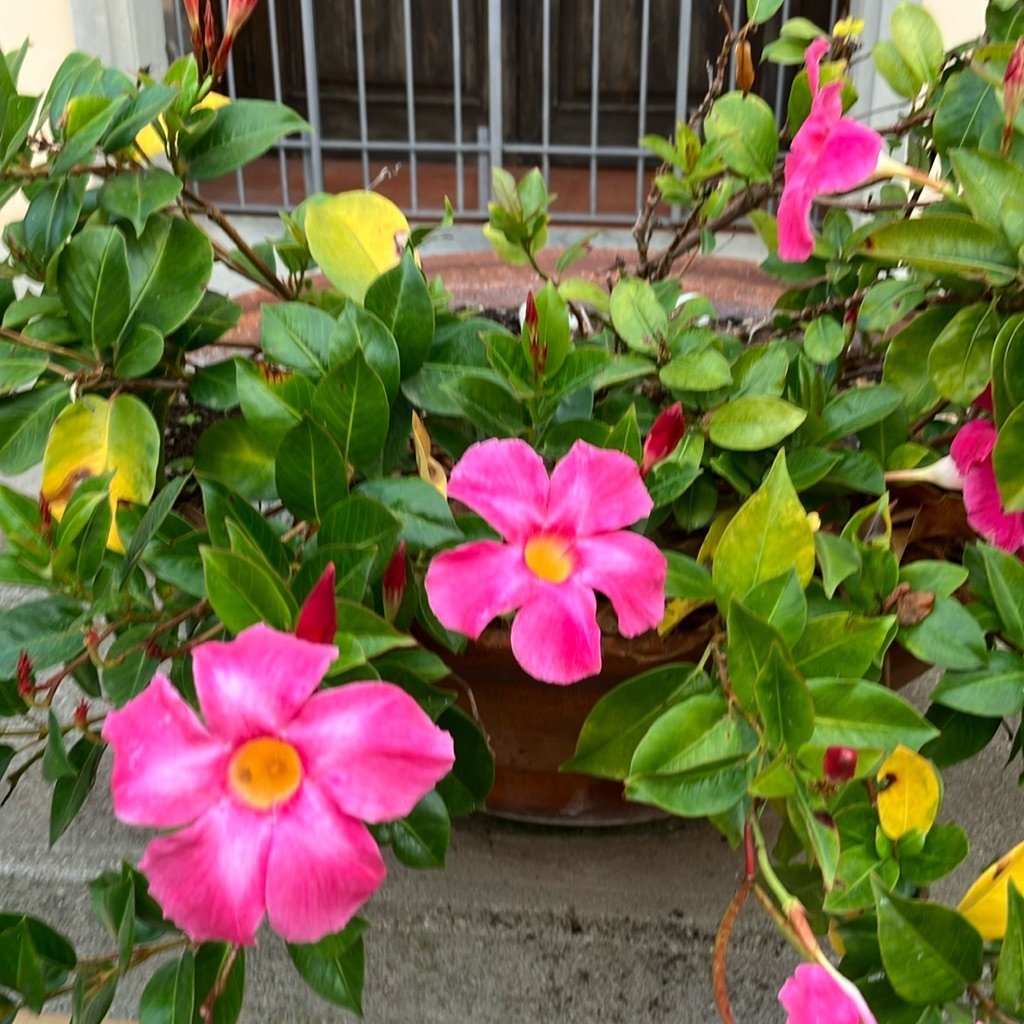
Mandevilla sanderi, commonly known as Brazilian Jasmine, is a popular ornamental vine renowned for its striking, trumpet-shaped flowers and glossy green leaves. This perennial climber is favored for its rapid growth and vibrant blooms that range in color from white to deep pink and red. Typically flowering from spring to fall, it adds a tropical flair to any setting. Thriving in warm climates, Mandevilla sanderi can climb up to 10-20 feet when supported by a trellis or other structure, making it an excellent choice for vertical gardens or as a visually appealing cover for fences and walls.
Archives: Plants
-
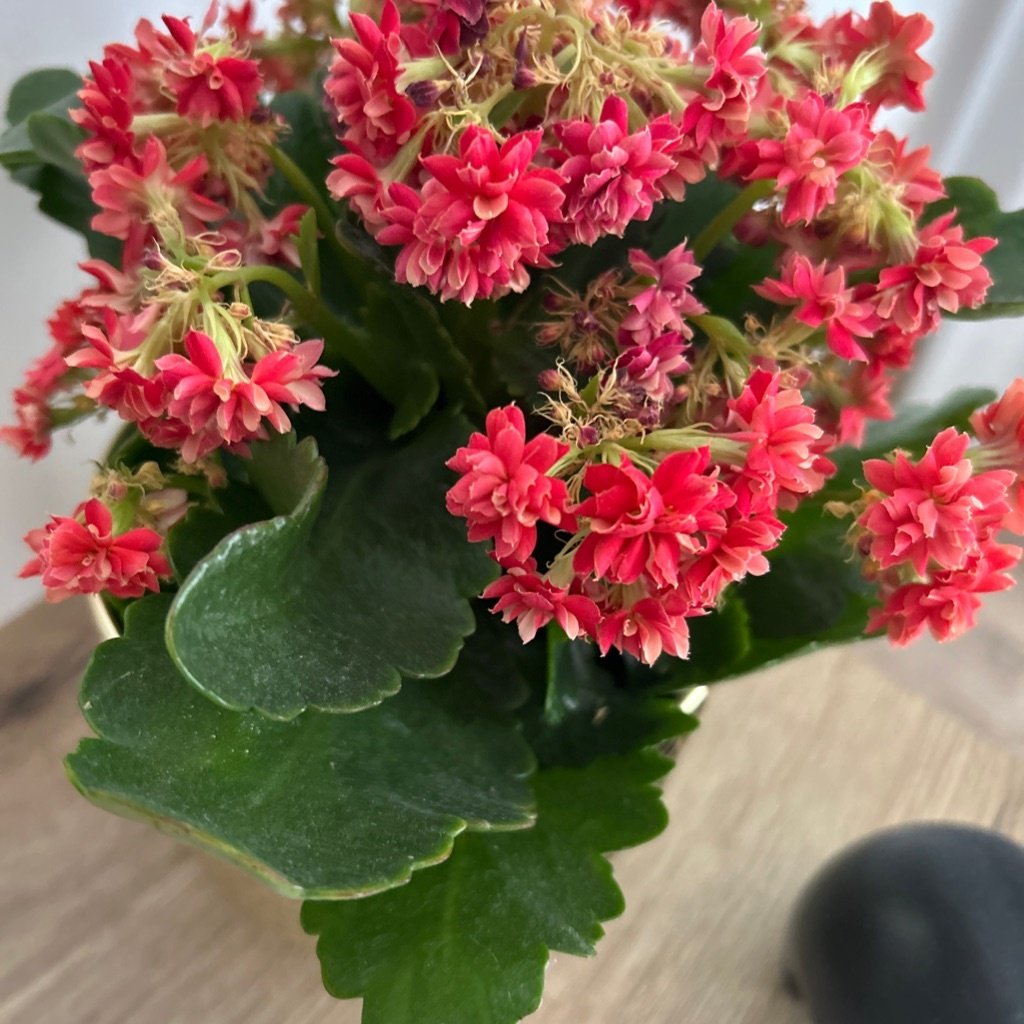
Flaming Katy
Kalanchoe blossfeldiana, commonly known as Flaming Katy, is a succulent that originates from Madagascar. It is renowned for its rich and colorful flower clusters that appear in the winter months, offering a bright contrast to its glossy green leaves. This plant typically grows to about 12 inches in height and is often compact in shape, making it ideal for indoor container gardening. The blooms can be various shades including red, pink, orange, yellow, and white. Flaming Katy is popular not only for its visual appeal but also for its ease of care, making it a favorite among beginners and seasoned gardeners alike.
-
European spindle
Euonymus europaeus, commonly called European spindle, is a deciduous shrub or small tree native to much of Europe and western Asia. Reaching 2–6 m tall, it bears opposite, elliptic leaves that flush fresh green and turn vivid pink, red, and orange in autumn. Small greenish flowers in late spring are followed by distinctive four-lobed, pink to carmine capsules that split to reveal bright orange arils, a prized ornamental feature. Historically, its dense, fine-grained wood was used to make spindles and artists’ charcoal. It thrives on well-drained, often calcareous soils in hedgerows and woodland edges, providing nectar for insects and winter food for birds that disperse the seeds. While adaptable and cold-hardy, it performs best with sun, air circulation, and moderate moisture. All parts, especially the seeds, are toxic if eaten by humans and pets. The plant forms a rounded, often multi-stemmed habit with grey-brown bark that becomes corky with age. It can sucker lightly and self-seed where birds drop arils, so site responsibly in natural areas. Cultivars exist for enhanced fruiting and fall color. Prune after fruiting or in late winter to shape and remove crossing wood.
-
Garden tulip
Tulipa gesneriana, commonly called the garden tulip, is a bulbous perennial in the lily family prized for its vivid, cup- to goblet-shaped spring flowers. Plants arise from tunicate bulbs, sending up 1–4 bluish-green, waxy leaves and a sturdy, unbranched stem 25–60 cm tall bearing a single, showy bloom with six tepals. Centuries of selection have produced thousands of cultivars spanning nearly every color except true blue, including bicolors, flamed, and fringed forms across classes such as Triumph, Darwin Hybrid, and Single Late. Flowers attract early pollinators, but most cultivars are propagated by bulb division rather than seed. Tulips prefer cool winters and dry summers, entering dormancy after bloom as foliage senesces. In climates with mild winters, bulbs often need artificial chilling to flower reliably. Well-drained soils are essential to prevent bulb rot. Although iconic in formal beds and borders, tulips are short-lived perennials in warm or wet summer regions and are sometimes treated as annuals for best display. Bulbs contain irritant compounds and should be handled with care.
-
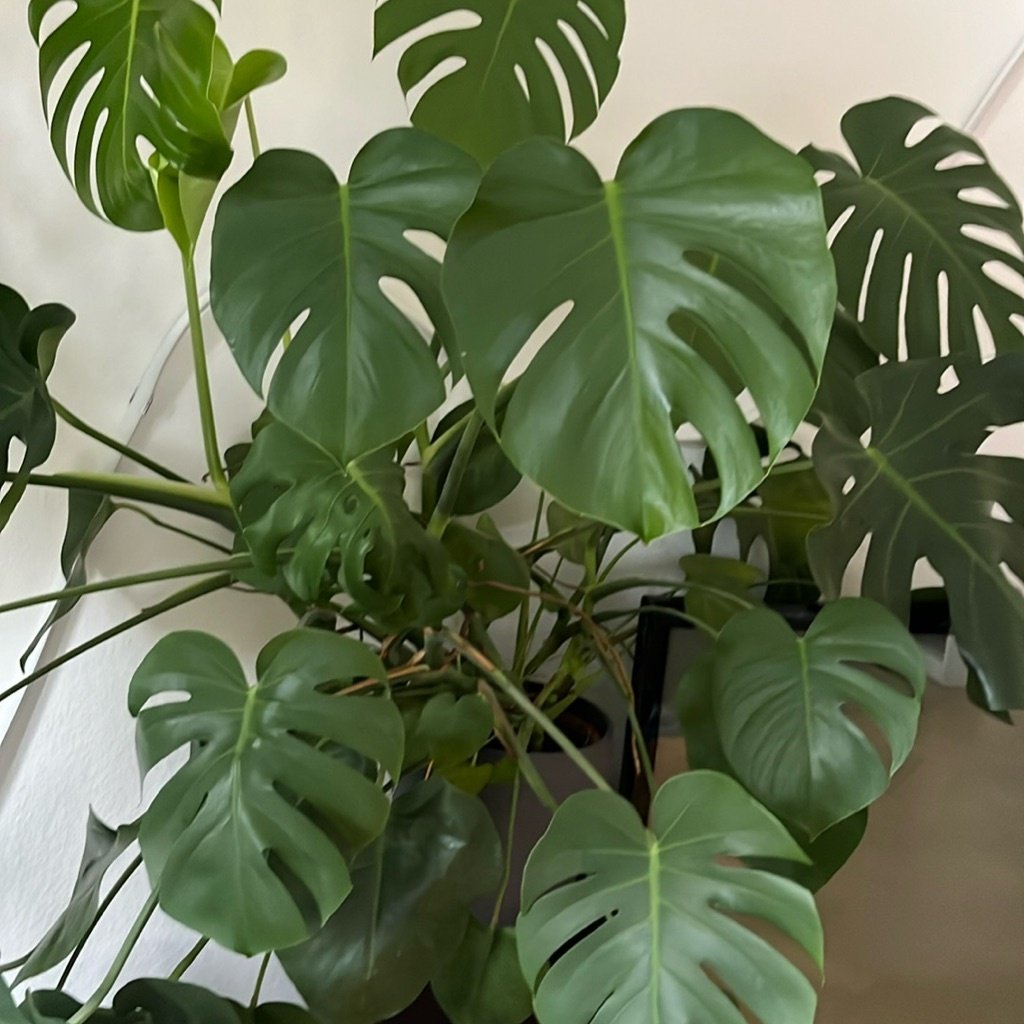
Swiss Cheese Plant
Monstera deliciosa, commonly known as the Swiss Cheese Plant, is a large, evergreen, climbing plant famous for its distinctive, glossy green leaves which develop slits and holes as they mature. Native to tropical forests of southern Mexico, it thrives in a warm, humid environment. The plant can grow up to 20 feet tall in the wild, though it is usually smaller in indoor settings. Its aerial roots not only help in climbing but also absorb nutrients and water from the air. This striking plant flowers infrequently, producing a unique, arum-like inflorescence.
-
Japanese spindle
Euonymus japonicus is a dense, broadleaf evergreen shrub valued for its glossy, leathery leaves and exceptional tolerance of wind, salt spray, and pruning. Typically 1.5–4 m tall in cultivation, it forms neat hedges and foundation plantings, with many variegated cultivars displaying cream, yellow, or gold margins. Leaves are opposite, elliptic to obovate, and finely serrate; inconspicuous greenish flowers appear in late spring to early summer, followed by small capsules that may split to reveal orange arils. It thrives in well-drained soils and adapts to coastal conditions, urban pollution, and periodic drought once established. Responsive to clipping, it can be trained as formal hedging, topiary, or kept compact in containers. The species is susceptible to euonymus scale and occasional powdery mildew if stressed or overcrowded, so good airflow and vigilant monitoring are essential. Native to East Asia, it is hardy in mild to warm temperate regions and is widely planted in landscapes where year-round structure and foliage color are desired.
-
Showy stonecrop
Hylotelephium spectabile, formerly known as Sedum spectabile, is a hardy, clump-forming perennial succulent prized for its upright habit, fleshy blue‑green leaves, and large late-season flower heads. It typically grows 12–24 inches (30–60 cm) tall, producing sturdy, unbranched stems with opposite, slightly toothed leaves. In late summer to autumn, flattened domes of starry pink to rosy-magenta flowers open in dense clusters, maturing to deeper tones and providing nectar for bees, butterflies, and other pollinators when little else is blooming. The seed heads often persist through winter, adding structure and wildlife value. Exceptionally drought-tolerant, it thrives in well-drained, lean soils and is ideal for borders, rock gardens, and containers. It is closely allied to Hylotelephium telephium and many popular cultivars and hybrids (such as ‘Autumn Joy’/‘Herbstfreude’) hail from this group. Low maintenance, cold-hardy, and resilient to poor soils and urban conditions, it performs best in full sun with minimal supplemental watering.
-
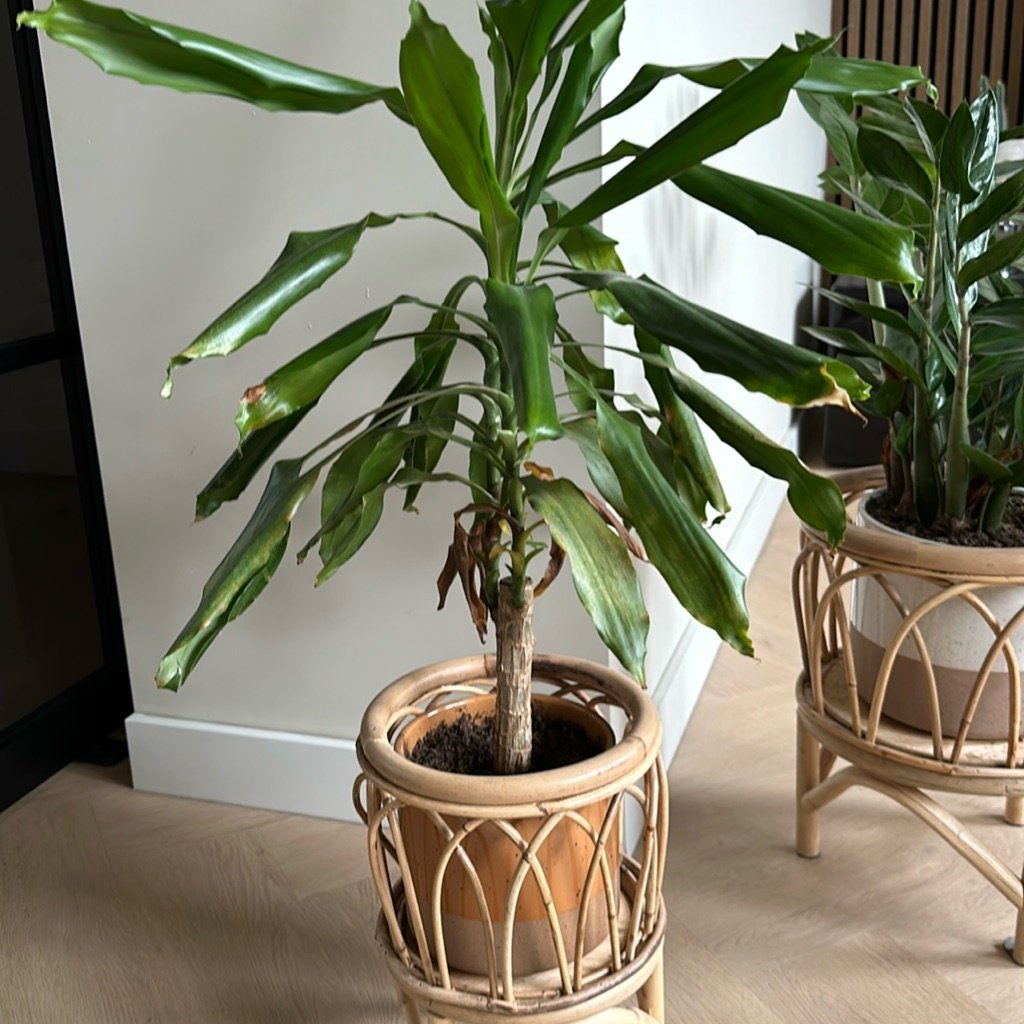
Corn Plant
Dracaena fragrans, commonly known as the Corn Plant, showcases lush foliage that resembles corn stalks, which is the origin of its common name. It is a slow-growing evergreen tree from tropical Africa, widely sought after for indoor decoration due to its tolerance to poor lighting conditions and its striking vertical structure. The plant features cane-like stems and green leaves, often with yellow stripes or margins. Occasionally, it produces fragrant white flowers, though flowering is rare in inddor settings. The ease of care and ability to thrive in typical indoor conditions make it a popular choice in homes and offices alike.
-
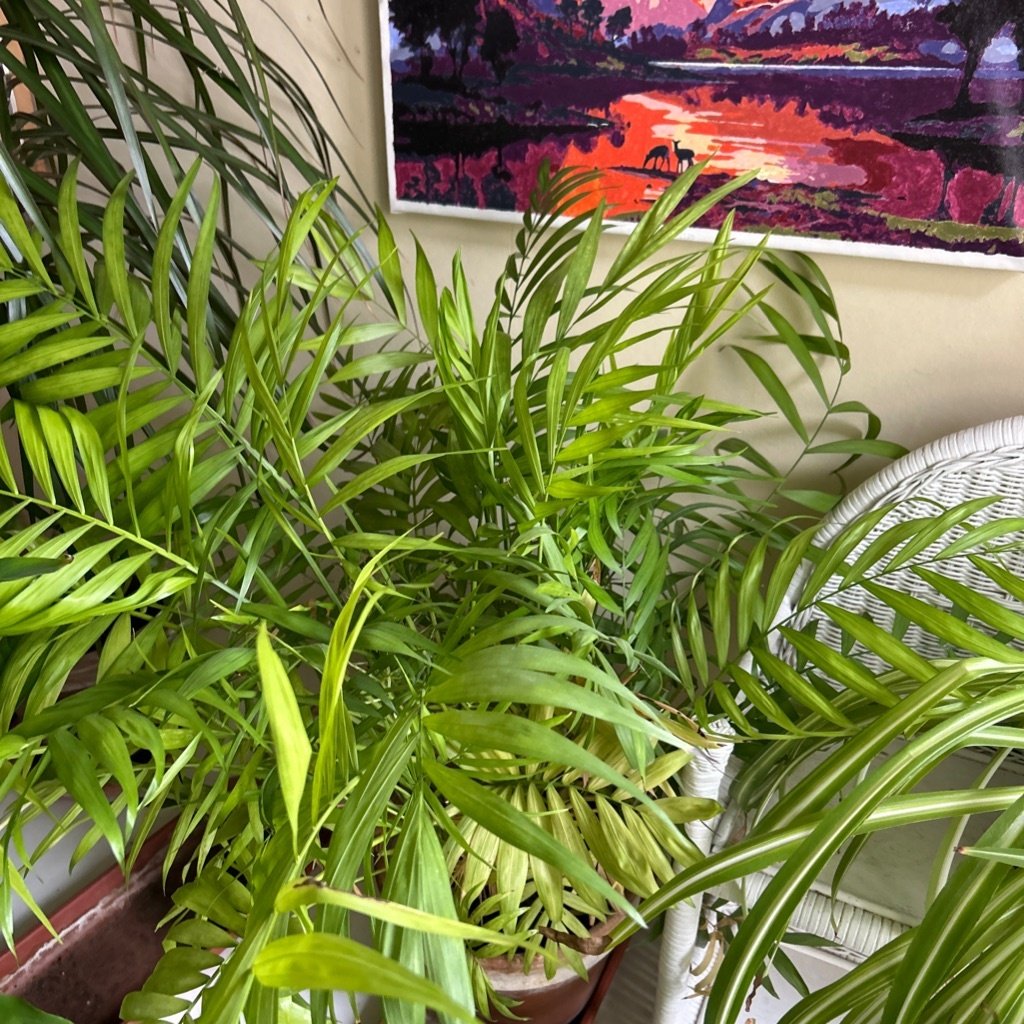
Parlor Palm
Chamaedorea elegans, commonly known as the Parlor Palm, is a small palm tree native to the rainforests in Southern Mexico and Guatemala. Characterized by its graceful, green fronds and compact size, it typically grows to a height of 2-6 feet, making it ideal for indoor spaces. The plant produces clusters of yellow flowers in adult stages, which can develop into small, black fruits under optimal conditions. Due to its tolerance of low-light conditions and its air-purifying qualities, it is a popular choice for offices and homes. This plant prefers a tropical environment, thriving in humid conditions and enjoying filtered light.
-
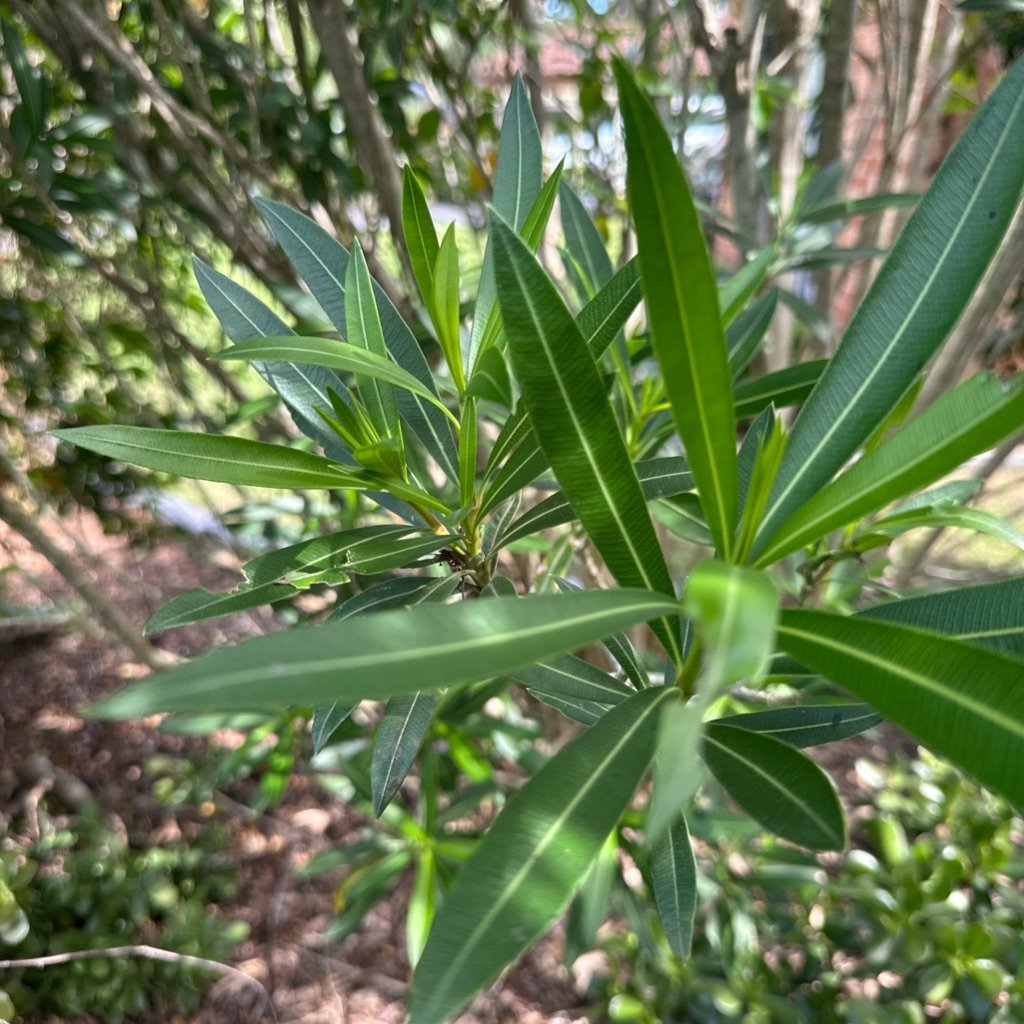
Oleander
Nerium oleander is a highly ornamental shrub known for its spectacular display of vibrant, trumpet-shaped flowers throughout the summer. Commonly growing between 2 to 5 meters tall, this evergreen shrub features leathery, lance-shaped leaves which arrange themselves in whorls. While immensely popular for its decorative appeal, oleander is equally notorious for its toxicity. Every part of the plant contains harmful compounds known to severely affect humans and animals if ingested. This tough plant is drought-tolerant, salt-tolerant, and thrives in a range of environmental conditions, making it a popular choice for landscaping in warm climates.