
Hibiscus syriacus, commonly known as Rose of Sharon, is a flowering shrub native to East Asia and the national flower of South Korea. It is a hardy deciduous member of the Malvaceae family that can grow up to 2-4 meters in height. The plant sports broad, flat leaves and blooms with large, conspicuous flowers from summer to fall. The flowers are available in a variety of shades, including pink, red, purple, and white, often with a contrasting eye in the center. This plant is highly tolerant of air pollution, making it a popular choice for urban and suburban landscapes.
Archives: Plants
-
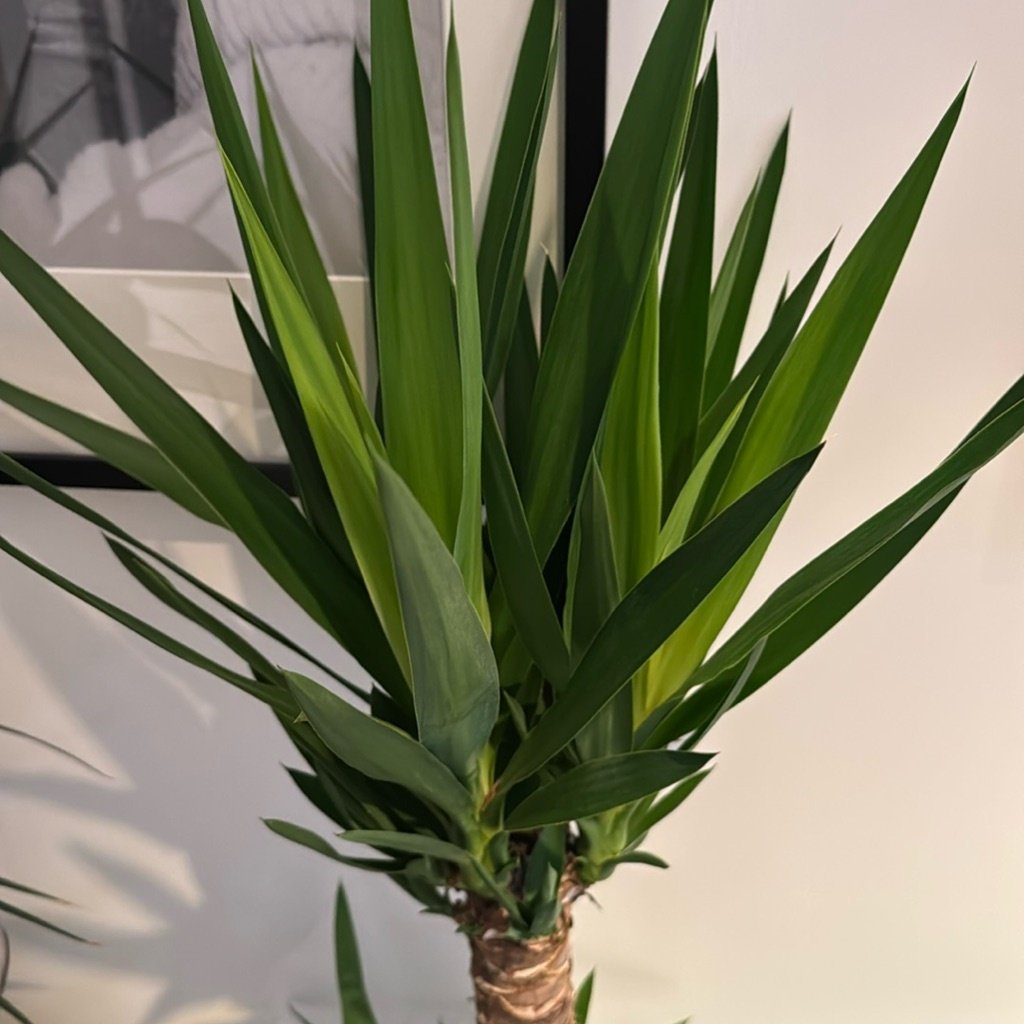
Spineless yucca
Yucca gigantea, commonly known as spineless yucca, is a distinctive evergreen plant native to Central America, particularly widespread in Guatemala and Honduras. It is notable for its rosettes of soft, flexible leaves and woody, cane-like stems that can reach up to 30 feet in height in its natural habitat, though it typically remains smaller in home settings. This yucca species, unlike others, has leaves that lack sharp spines on their tips, making it safer and more suitable for domestic environments. The plant produces white, bell-shaped flowers, which are sometimes followed by seed pods, although flowering is rare in indoor conditions.
-
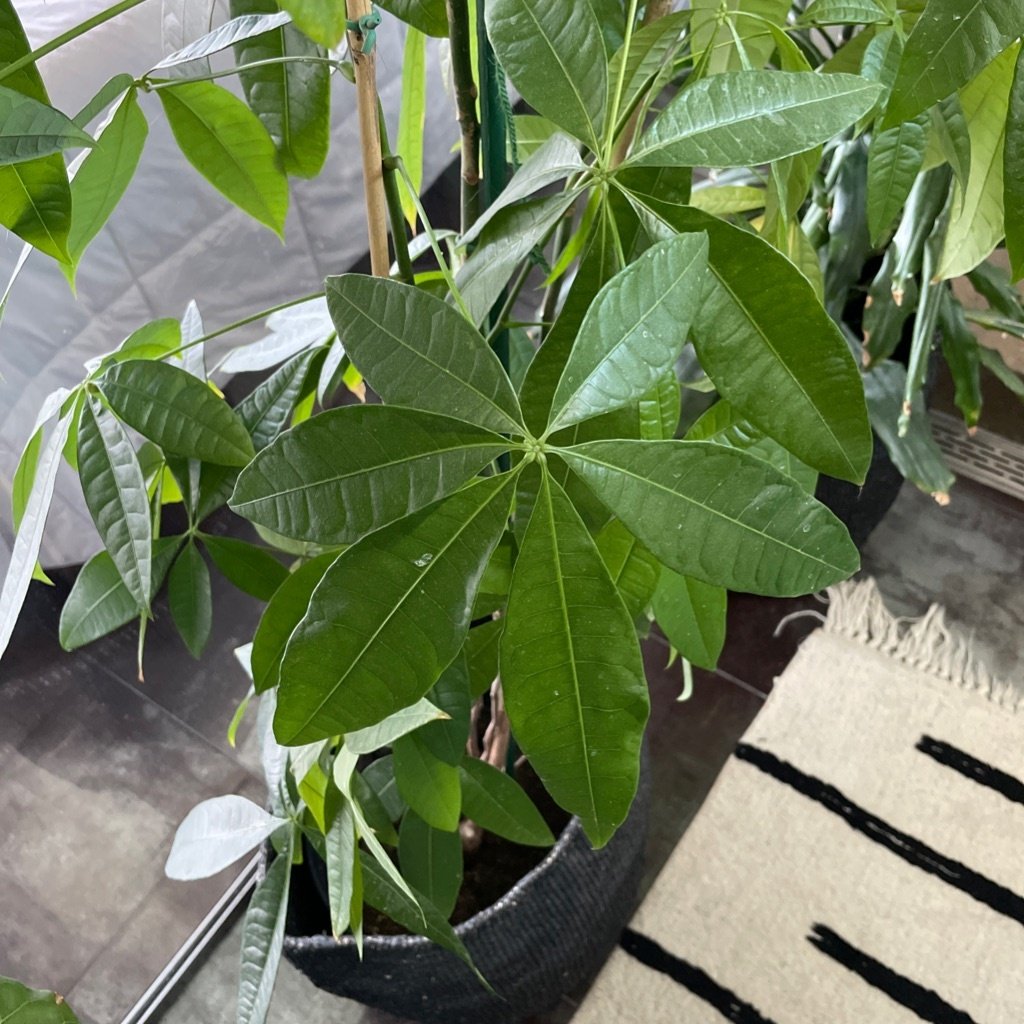
Money Tree
Pachira aquatica, commonly known as the Money Tree, is a tropical wetland tree native to Central and South America. Often found in swamps in these regions, it has become a popular houseplant in other parts of the world. This plant is recognized for its braided trunk and lush, glossy leaves which make it highly decorative. The money tree can grow up to 60 feet in its natural habitat but typically remains smaller when potted indoors. It is believed to bring good luck and prosperity, making it a common gift in business openings and as a housewarming present.
-
Silverthorn
Elaeagnus pungens, commonly called silverthorn, is a vigorous, evergreen shrub prized for its toughness and adaptability. It forms dense, arching, often spiny branches and reaches 8–15 feet (2.5–4.5 m) tall and wide, making it an excellent screen or windbreak. Leaves are leathery, dark green above and silvery-brown speckled beneath, reflecting light and resisting salt and wind burn. In autumn, small tubular white flowers appear, intensely fragrant and nectar-rich for late-season pollinators. These are followed by edible, speckled red fruits in late winter to spring. A nitrogen-fixer via root nodules (Frankia), it performs in poor soils and coastal conditions, tolerating drought, heat, and urban pollution. It accepts hard pruning and can be trained as a hedge or informal shrub. While highly useful, it may naturalize and become invasive in some regions; prevent spread by managing fruit and seedlings. Variegated cultivars offer additional ornamental interest, though they benefit from more sun for best color.
-
Common heather
Calluna vulgaris, commonly called heather or ling, is a low, evergreen shrub prized for its fine texture, bee-friendly nectar, and carpets of late-summer to autumn color. Native to acidic heaths, moors, and bog margins across Europe and parts of Asia Minor, it forms dense mats of wiry stems with tiny scale-like leaves and abundant bell- to urn-shaped flowers in whites, pinks, and purples. Many cultivars offer varied bloom seasons and striking foliage that bronzes or reddens in winter. Calluna prefers poor, acidic soils and excels where drainage is sharp yet moisture is reliable. It’s an excellent choice for rock gardens, banks, coastal sites, and naturalistic plantings, and it combines beautifully with other ericaceous plants like dwarf conifers, blueberries, and rhododendrons. Though hardy to severe cold, it resents heat, humidity, lime, and waterlogged conditions. Regular light post-bloom pruning maintains a compact, floriferous mound. In containers, use an acidic, free-draining mix and protect from winter wet.
-
Grapevine
Vitis vinifera, commonly known as the grapevine, is a species of the genus Vitis native to the Mediterranean region, Central Europe, and southwestern Asia. It is a deciduous vine that can grow up to 32 meters in length and thrives in temperate climates. Grapevines are cultivated primarily for producing grapes, which are used for making wine, raisins, and fresh fruit consumption. Its leaves are broad and lobed, with vines that attach via tendrils. Cultivation of Vitis vinifera has been done for thousands of years, with over 10,000 varieties developed for various climatic conditions and soil types.
-
Green Velvet Alocasia
Alocasia micholitziana, celebrated as the Green Velvet Alocasia, is a compact Philippine aroid valued for its velvety, deep-green, sagittate leaves etched with striking silvery-white veins. The suede-like surface diffuses light and showcases a dramatic contrast, while pale to olive petioles hold foliage aloft in an elegant clump. In containers it typically reaches 45–75 cm tall, with leaves 20–35 cm long. A corm-forming understory plant, it grows in flushes during warm, bright, humid periods and often slows or semi-dormant in cooler months. Like other Araceae, it produces occasional spathe-and-spadix inflorescences, though flowering is uncommon indoors. It thrives in consistently moist yet fast-draining, slightly acidic media, high humidity, and stable warmth with gentle airflow. Sensitive to overwatering, cold drafts, and harsh sun, it rewards steady care with saturated color and crisp venation. Endemic to the Philippines, wild populations have been impacted by habitat loss and collection; always source nursery-propagated plants.
-
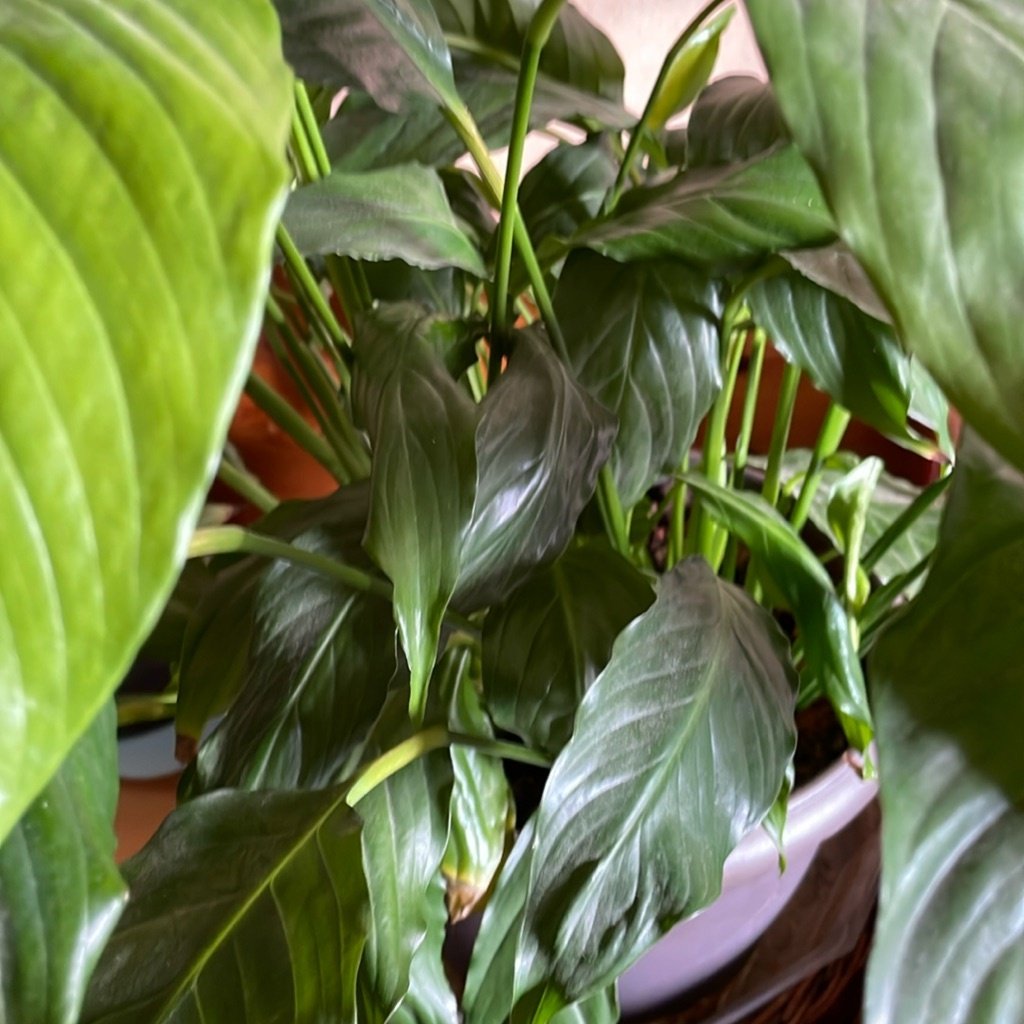
Peace Lily
Spathiphyllum wallisii, commonly known as the Peace Lily, is a popular indoor plant renowned for its lush, dark green foliage and striking white spathe flowers. This perennial plant belongs to the Araceae family and is native to tropical regions of the Americas and southeastern Asia. The Peace Lily is not only admired for its decorative appeal but is also celebrated for its air-purifying qualities, capable of filtering out harmful toxins from the environment. Typically, it grows between 1 to 4 feet tall, depending on the care and environment provided. It thrives in low light conditions, making it an ideal plant for indoor settings where natural light is limited.
-
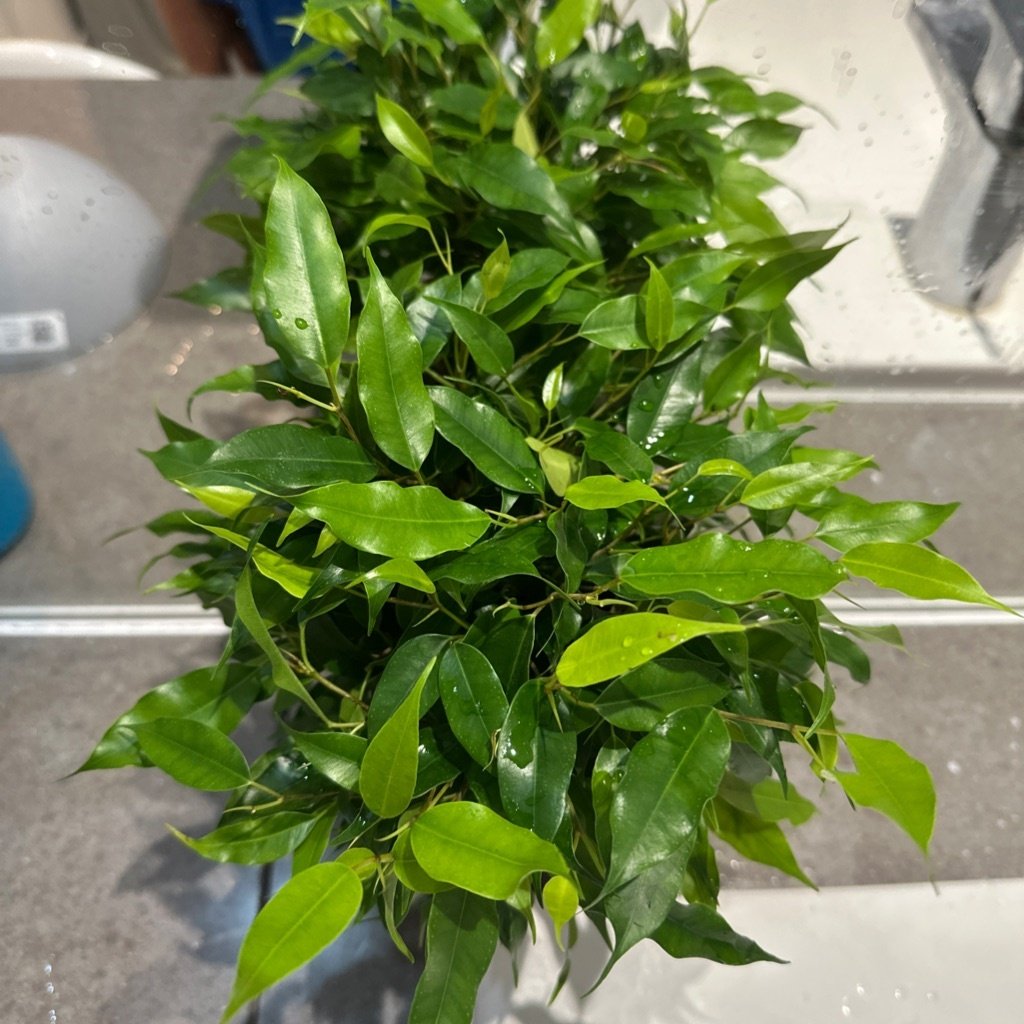
Weeping Fig
Ficus benjamina, commonly known as the Weeping Fig, is a species of flowering plant in the family Moraceae, native to South and Southeast Asia and Australia. It is a popular houseplant in temperate regions, due to its elegant growth and shiny green leaves which may have a slight yellow tint. The plant is also known for its braided trunk styles in cultivated forms. Ficus benjamina grows well indoors and requires a bit of care to thrive. It usually reaches up to 3 meters indoors but can grow much taller outside. The plant is sensitive to environmental changes, which can cause leaf drop.
-
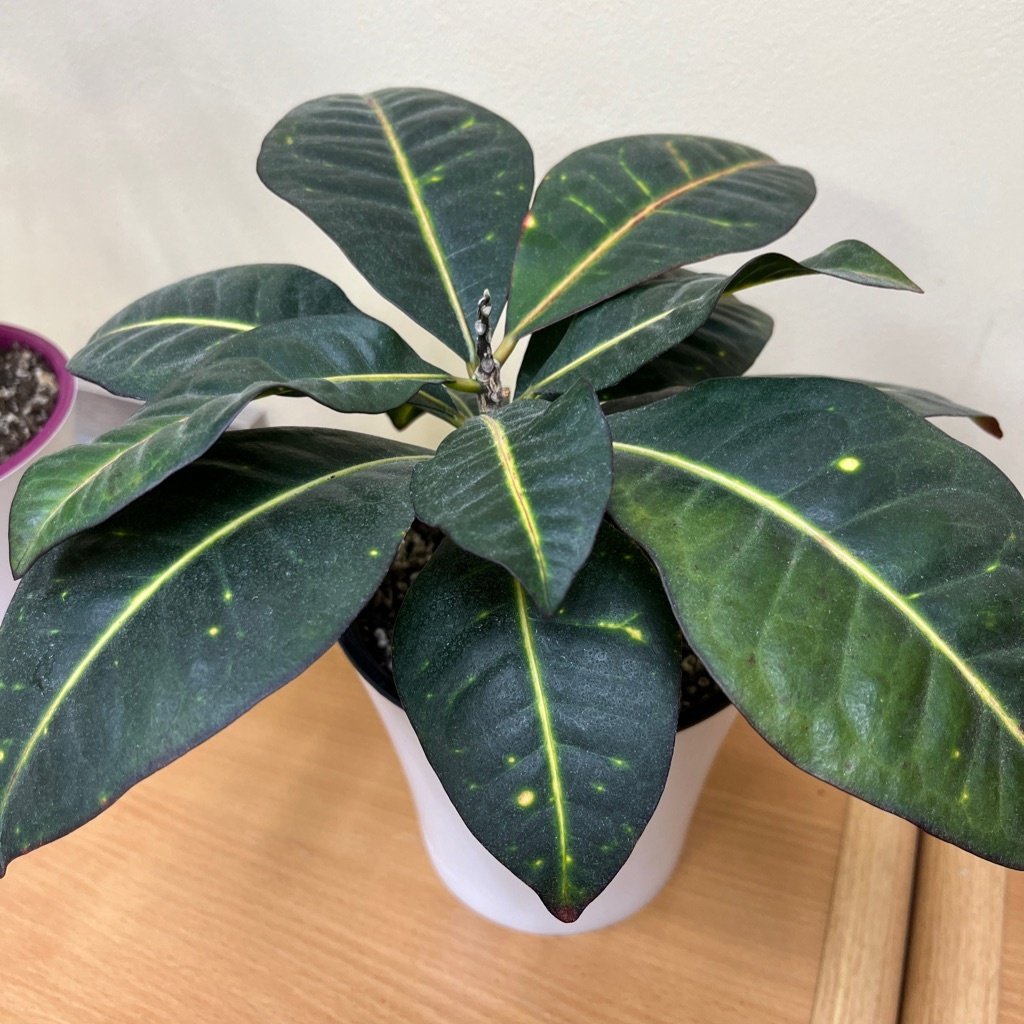
Croton
Codiaeum variegatum, commonly known as Croton, is a vibrant and colorful shrub native to tropical parts of Asia and the Pacific Islands. Featuring glossy, leathery leaves that vary dramatically in shape and color, Crotons can display a spectacular mix of green, yellow, red, orange, and even deep purple hues. Each leaf is unique, often marked with spots or stripes. These plants typically grow up to 3 meters tall in their natural habitat but can be maintained at a smaller size in home environments. Crotons are popular as ornamental houseplants or landscape features in tropical climates due to their dramatic foliage.