
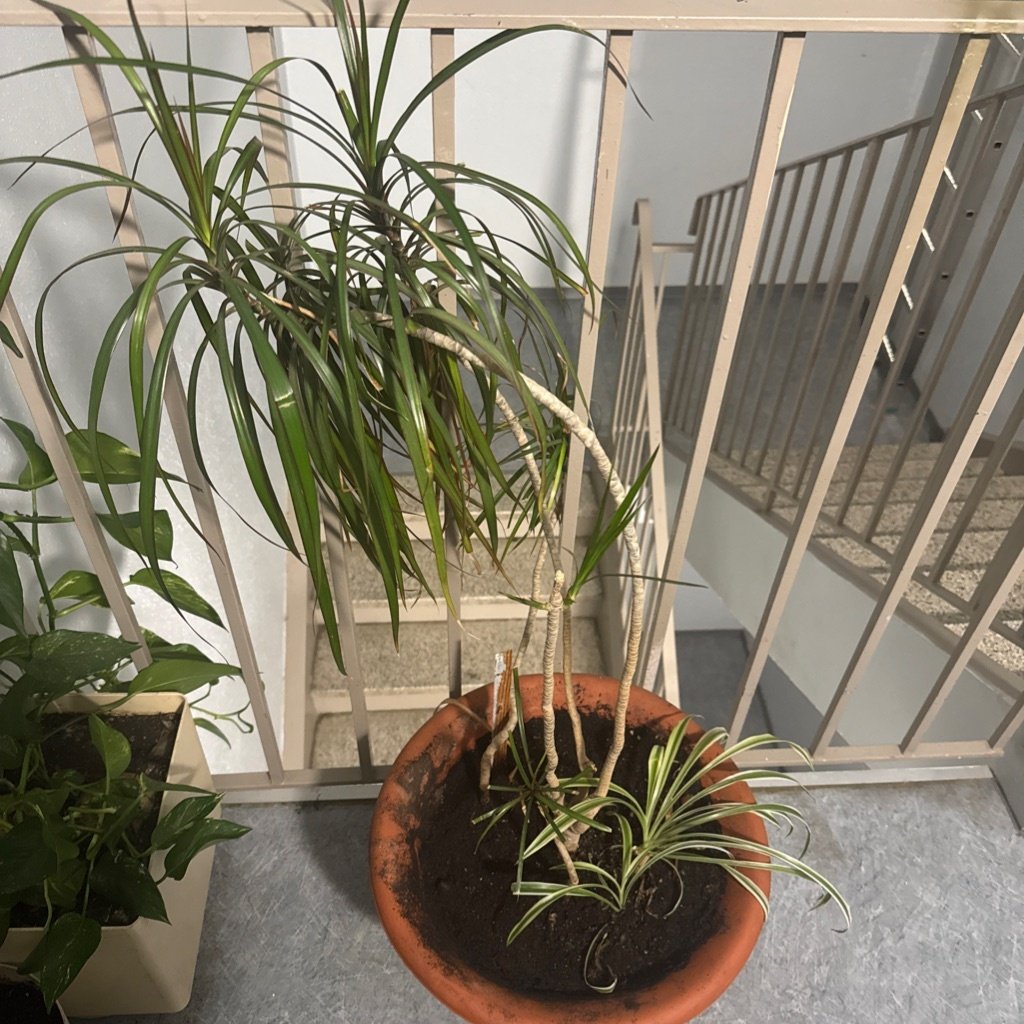
Dracaena reflexa, commonly known as Song of India, is a tropical shrub characterized by its glossy green leaves, which are arranged in a spiral pattern and often variegated with yellow or light green. Typically growing up to 6 feet indoors, this plant is admired for its ornamental value and low-maintenance attributes. In its natural habitat, it can reach up to 15 feet. The narrow leaves and slow growth make it an ideal choice for indoor settings. Dracaena reflexa thrives under indirect sunlight and requires well-draining soil. It’s not only popular for home and office environments but also recognized for its air-purifying qualities.
Archives: Plants
-
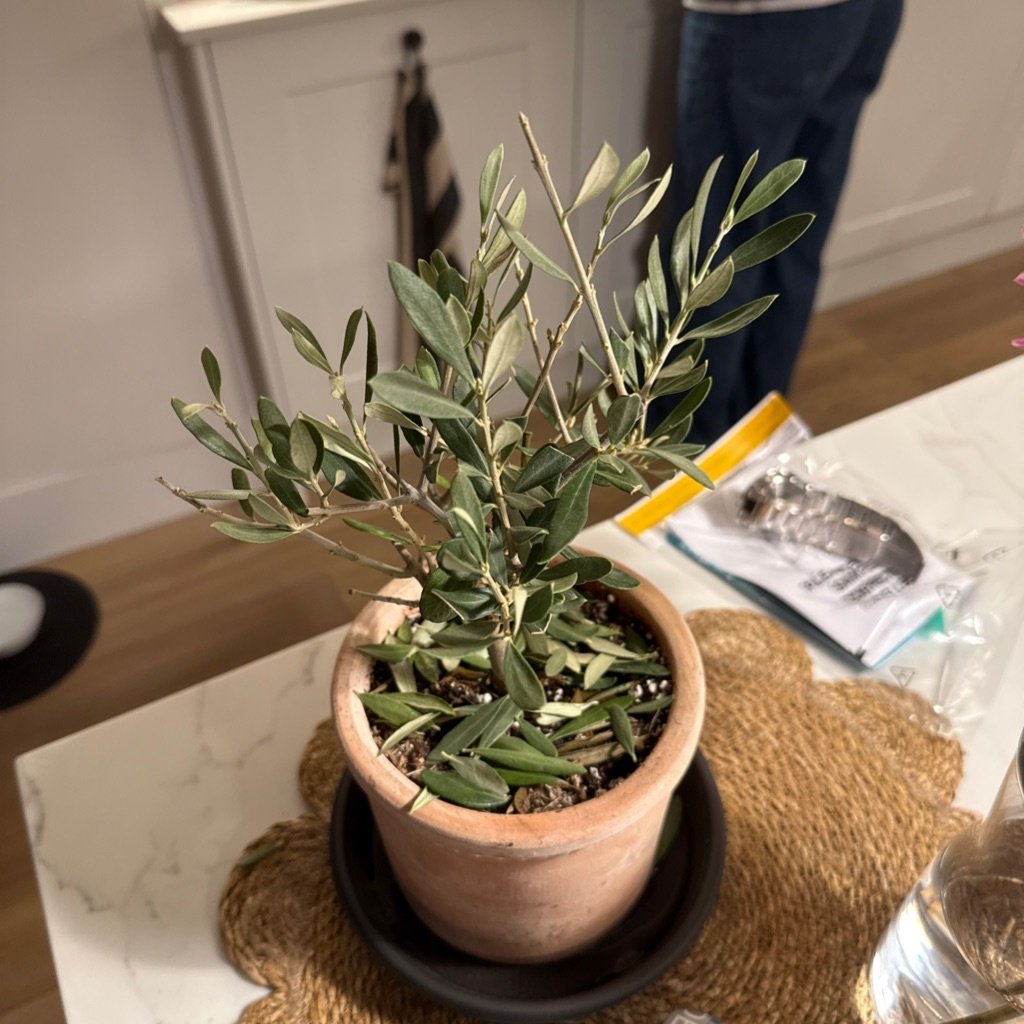
Olive Tree
The Olea europaea, commonly known as the Olive Tree, is a small evergreen tree native to the Mediterranean region. It is famed for its durable, gnarled trunk and silvery-green leaves. Olive trees are cultivated widely for their oil-rich fruit and are also valued as ornamental plants in gardens. These trees can live for hundreds of years, making them a symbol of longevity and peace. They thrive in hot, dry climates but are surprisingly adaptable and can be grown in containers in cooler areas if protected from severe winter conditions.
-
Panicle Hydrangea
Hydrangea paniculata is a cold-hardy, deciduous shrub (sometimes trained as a small tree) prized for its large, conical flower panicles that open creamy white and often age to pink, rose, or lime-green as the season progresses. Mature plants typically reach 6–15 feet (1.8–4.5 m) tall, with an upright to vase-shaped habit and sturdy stems that hold blooms well. Leaves are opposite, ovate, and serrated, providing a lush backdrop to summer and fall flowers. Unlike bigleaf hydrangeas, H. paniculata blooms on new wood, making it reliable in cold climates and amenable to annual rejuvenation pruning. It tolerates a wider range of sun and cold than most hydrangeas, thriving in evenly moist, fertile, well-drained, slightly acidic soils. Panicles can be 6–12 inches (15–30 cm) long and include showy sterile florets surrounding fertile flowers attractive to pollinators. Widely used for hedges, specimen plantings, and cut or dried flowers, notable cultivars include ‘Limelight’, ‘Pinky Winky’, and ‘Grandiflora’. It is adaptable to urban conditions with adequate moisture and mulch.
-
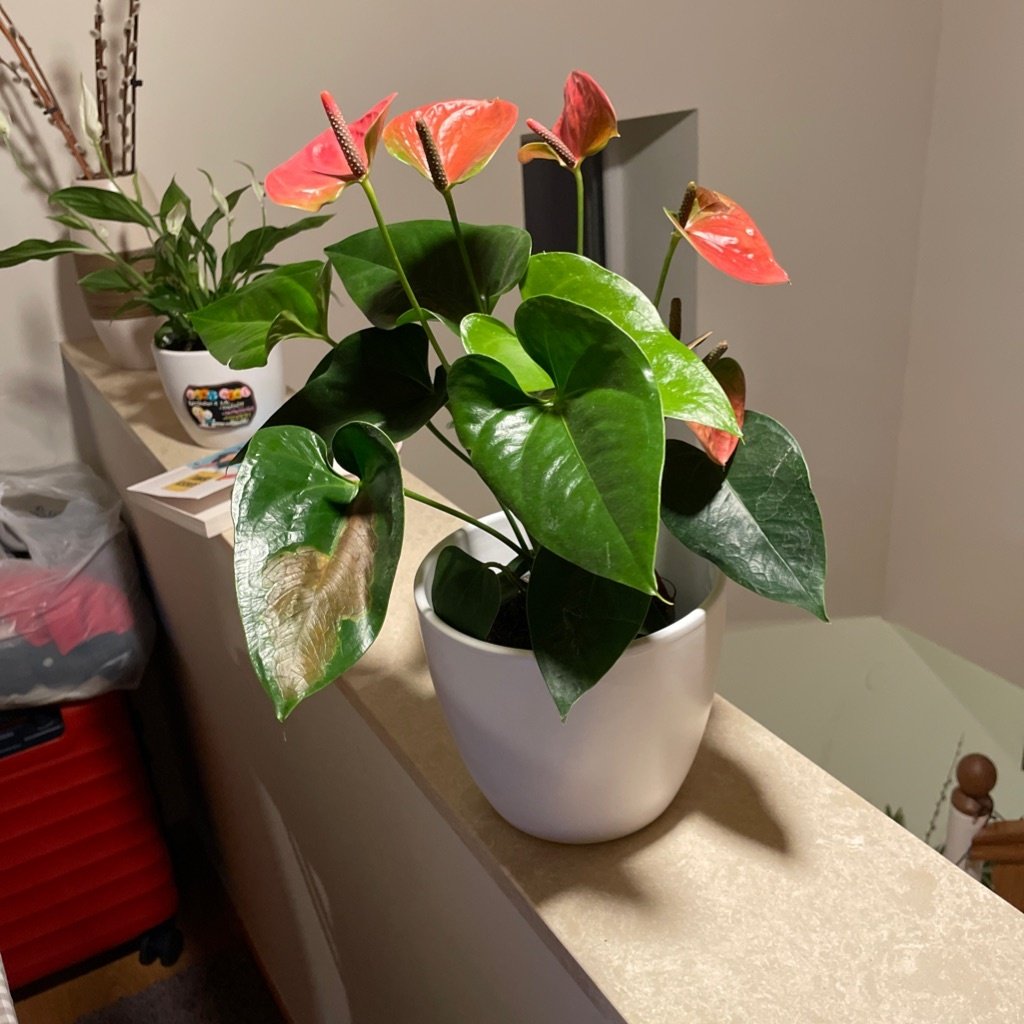
Flamingo Lily
Anthurium andraeanum, commonly known as the Flamingo Lily or Painter’s Palette, is a stunning evergreen plant known for its glossy heart-shaped leaves and vibrant, waxy spathes which resemble flowers. These spathes are usually bright red or pink with an accompanying spadix that juts out from the center, creating a striking contrast. Originally from the rainforests of Colombia and Ecuador, this plant thrives in humid, warm climates. It’s a popular choice for indoor decoration due to its beautiful appearance and air-purifying qualities.
-
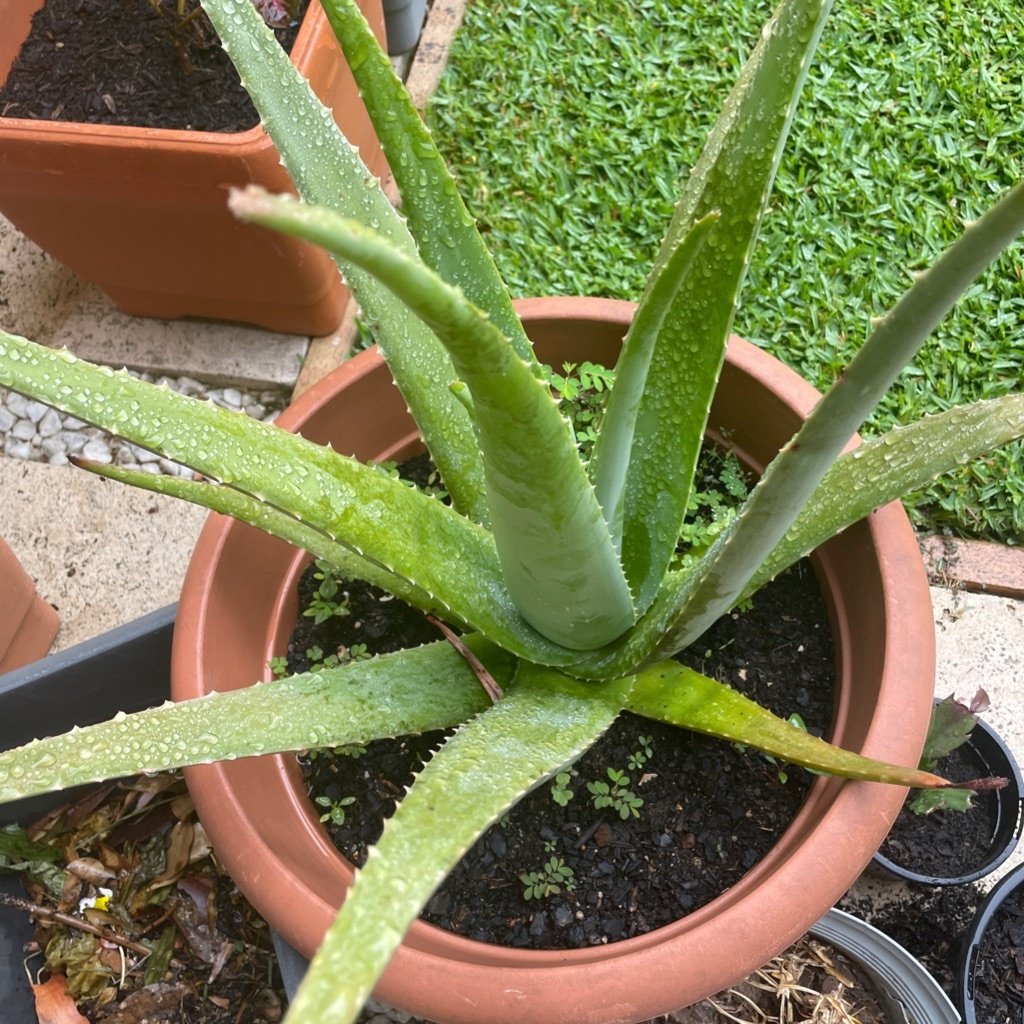
Aloe vera
Aloe vera is a succulent plant species of the genus Aloe. It grows wild in tropical, semi-tropical, and arid climates around the world and is cultivated for agricultural and medicinal uses. The plant is characterized by its thick, fleshy green to grey-green leaves, which may feature white flecks on their upper and lower stem surfaces. The margin of the leaf is serrated with small teeth. Aloe vera’s leaves contain a clear gel, a popular topical remedy for minor cuts and burns, as well as a traditional herbal medicine.
-
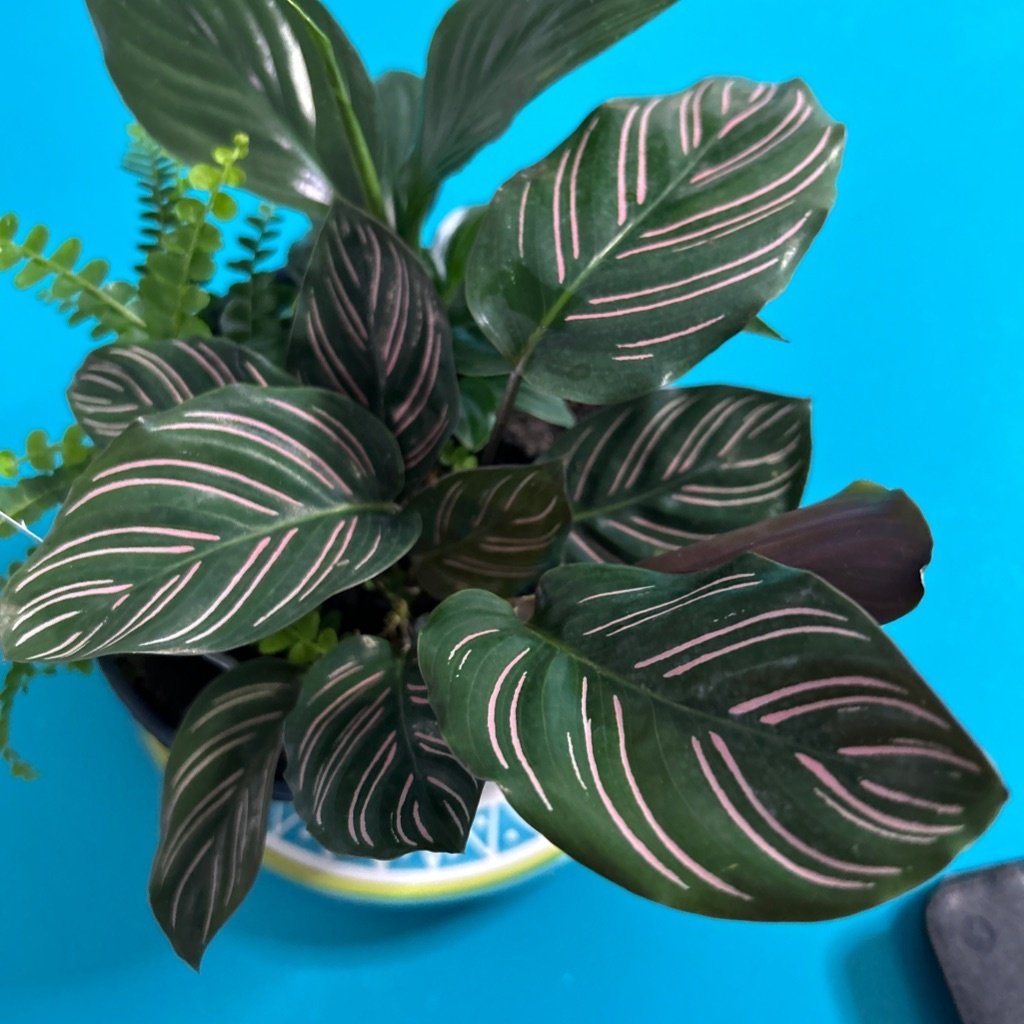
Pinstripe Plant
Goeppertia ornata, formerly known as Calathea ornata, is a rhizomatous, evergreen understory plant native to the humid lowland forests of northern South America. Valued for its striking, dark green leaves etched with narrow pink to white pinstripes and deep purple undersides, it forms a dense clump about 30–60 cm tall. Like other prayer plants, its foliage exhibits nyctinasty, raising and lowering with the light cycle. In cultivation, it prefers consistently warm temperatures, high humidity, and gentle, filtered light, mimicking dappled forest shade. Leaves scorch in direct sun and curl or brown when humidity or moisture is inadequate. The species is sensitive to salts and hard water, requiring soft, filtered, or rainwater for best leaf edges. A loose, moisture-retentive yet airy potting mix supports steady growth. With attentive watering and avoidance of drafts, Goeppertia ornata rewards growers with lush, graphic foliage year-round. Clumps gradually expand from short rhizomes, and mature leaves can reach 15–25 cm long with elegantly tapered tips.
-
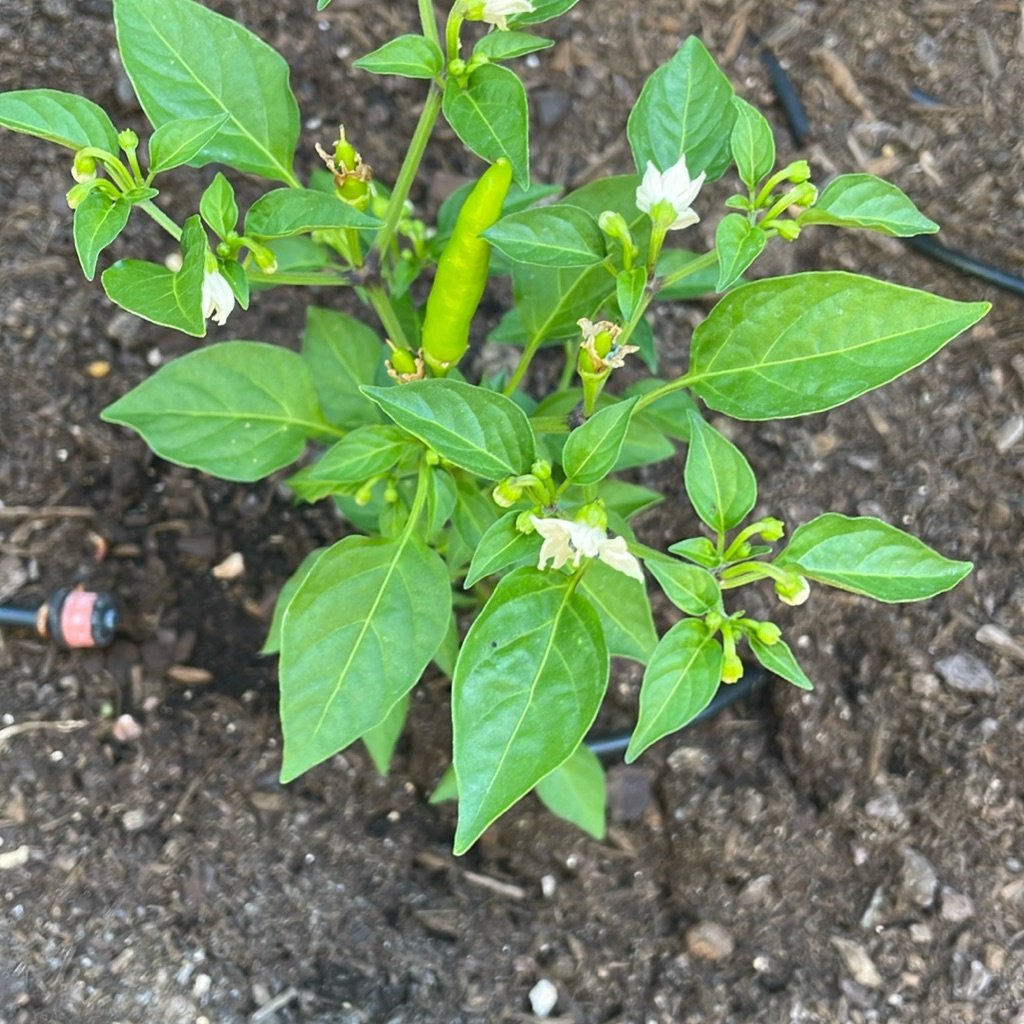
Bell Pepper
Capsicum annuum is a species in the nightshade family, Solanaceae, extensively cultivated for its edible fruits. The fruits, commonly known as peppers, display a wide array of colors including red, yellow, green, and purple, maturing through a spectrum of hues. Varieties range from sweet bell peppers to the spicier jalapeños. Plants flourish as perennials in tropical climates but are typically grown as annuals in temperate zones. Bell peppers thrive on warm temperatures and consistent moisture, and they begin by forming white flowers before the fruit sets. The fruits are notably rich in vitamins A and C.
-
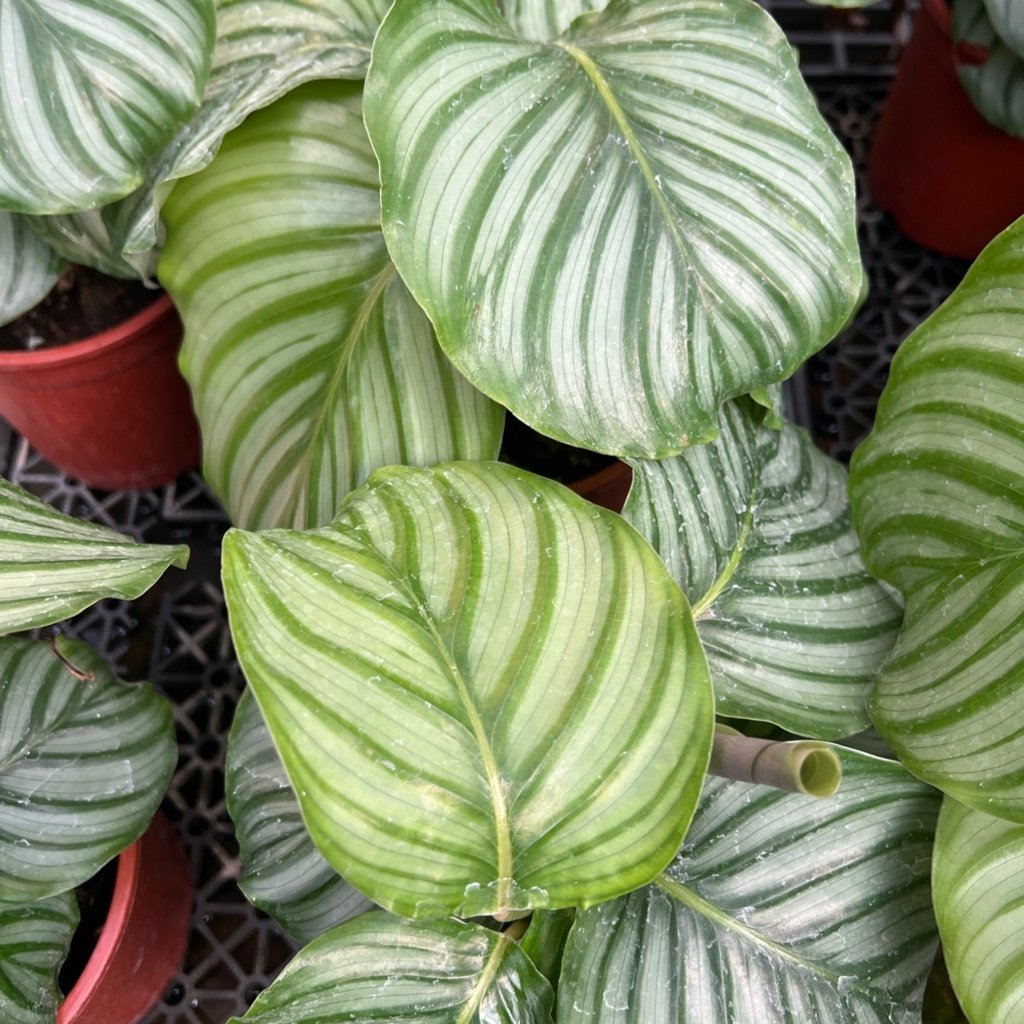
Calathea orbifolia
Goeppertia orbifolia, commonly known as Calathea orbifolia, is a tropical plant native to Bolivia. It is celebrated for its large, round, striped green leaves that can grow impressively wide as the plant matures. The leaves unfurl new growth from the center, displaying unique silver and green stripes that make it a popular choice for indoor plant enthusiasts. This plant belongs to the Marantaceae family, usually found under the canopies of tropical rainforests, thriving in moist, shaded conditions. The Calathea orbifolia not only beautifies the home but is also known for its ability to improve indoor air quality by filtering airborne toxins.
-
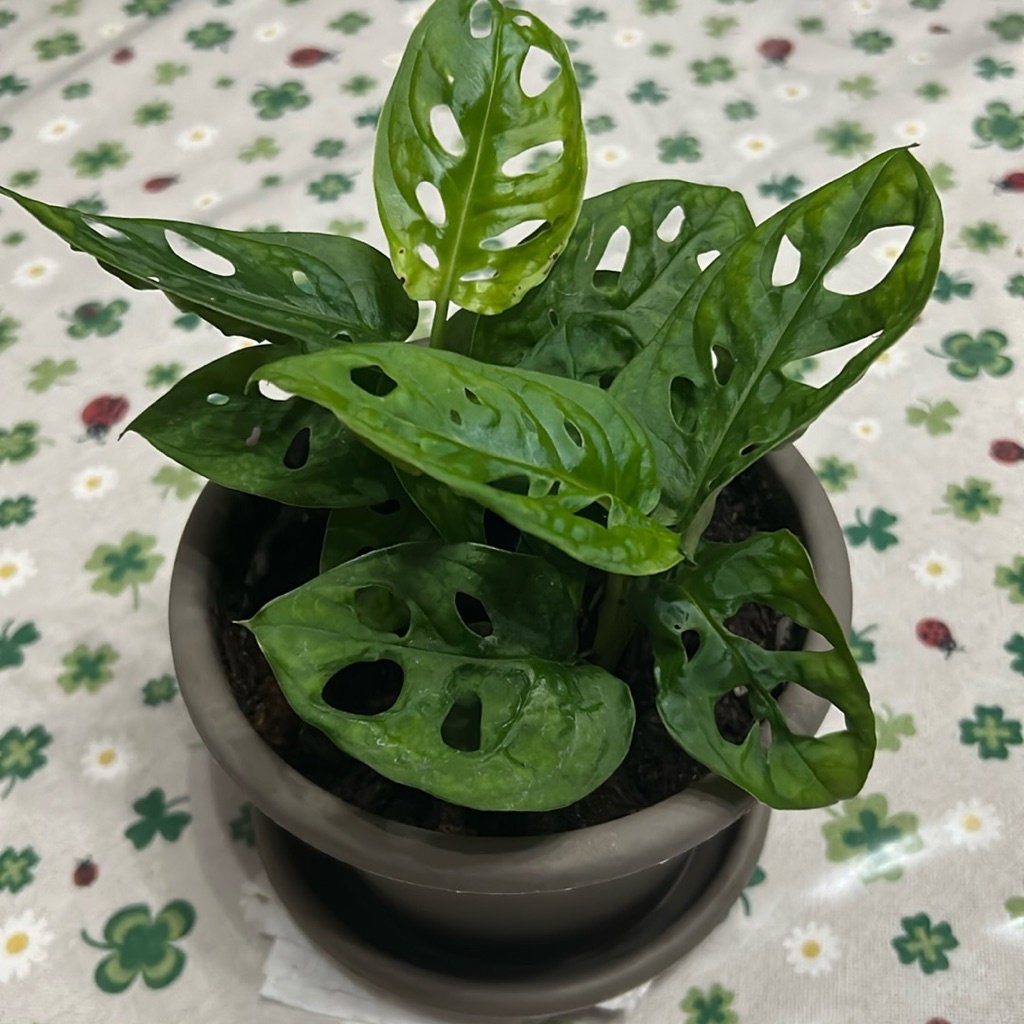
Swiss Cheese Vine
Monstera adansonii, commonly known as the Swiss Cheese Vine, is a striking tropical perennial famous for its quirky natural leaf-holes. These holes are believed to help the plant withstand heavy rainfall and wind in its native habitat. Typically growing as a vine, it can reach lengths of several meters in both indoor and outdoor settings. The plant’s foliage is lush and vibrant, making it a favored choice for adding a touch of the tropics to home decor. It thrives in humid environments and can also be propagated easily from stem cuttings, making it popular among houseplant enthusiasts.
-
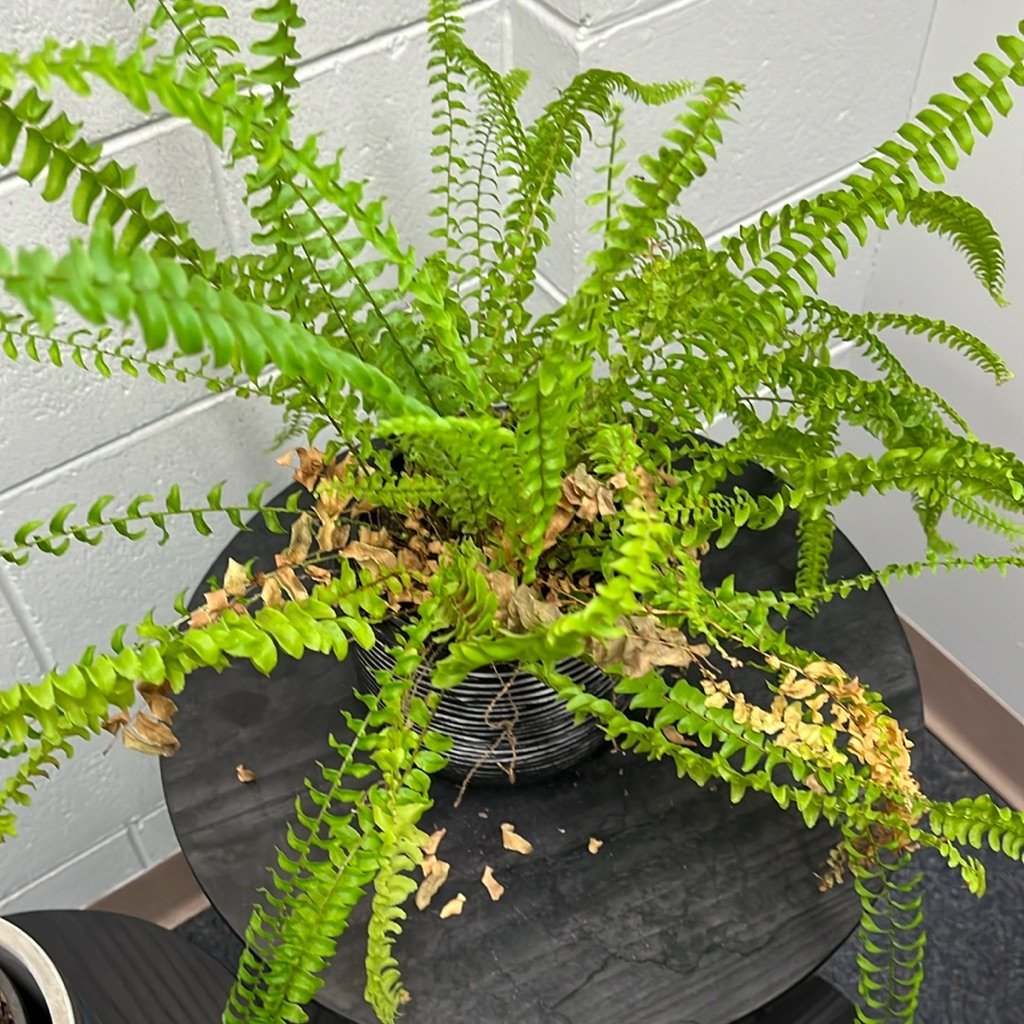
Boston Fern
Nephrolepis exaltata, commonly known as the Boston Fern, is a lush, evergreen fern native to tropical regions worldwide. It typically grows in a graceful, fountain-like clump, reaching lengths of up to 3 feet. The arching fronds are feather-like and flourish in high humidity environments, making it a popular choice for indoor hanging baskets. Boston Ferns remove indoor air pollutants, such as formaldehyde, xylene, and toluene, making them not only beautiful but also beneficial for indoor air quality.