
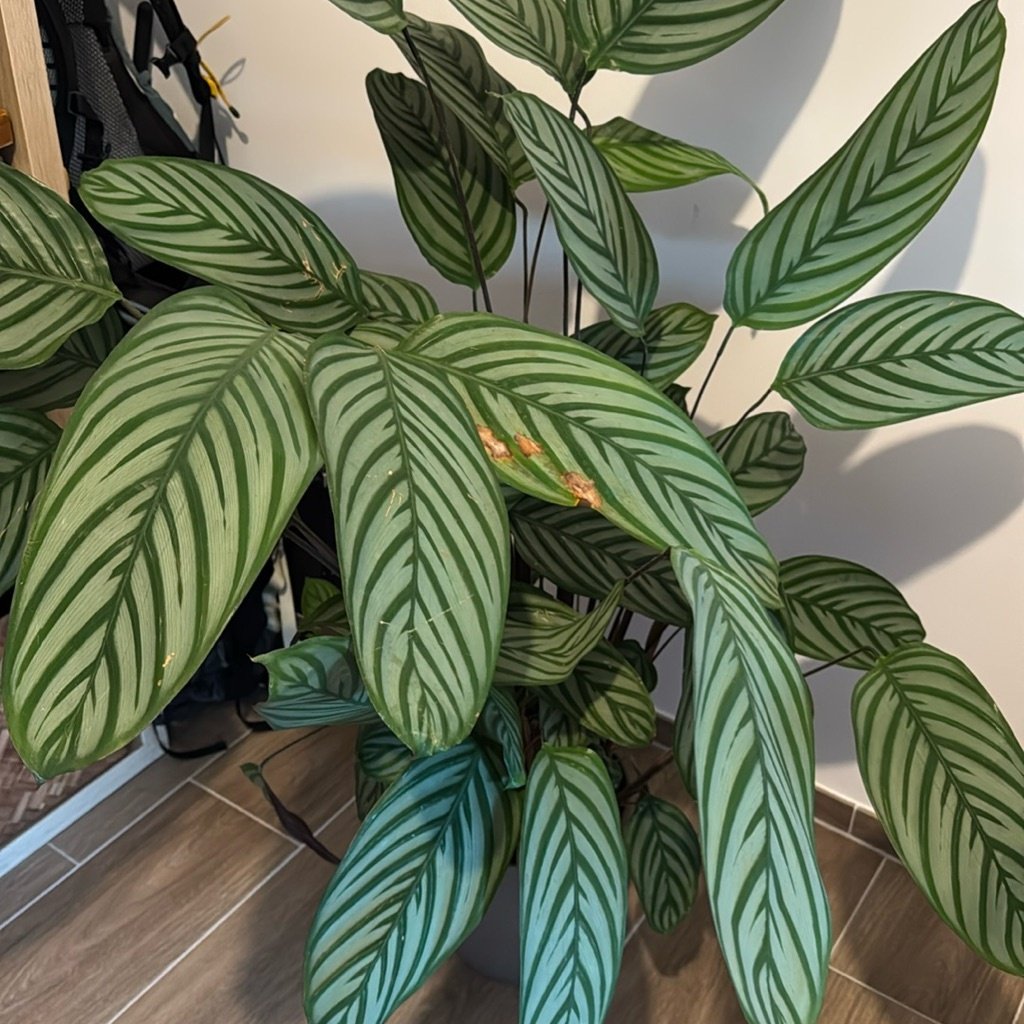
Ctenanthe setosa, commonly known as the Never-Never Plant, is a striking tropical perennial prized for its decorative foliage. Native to the Brazilian rainforest, this plant features oblong green leaves that are beautifully striated with herringbone patterns of creamy white and silvery hues. The undersides of the leaves present a rich purple, adding a delightful contrast. Typically growing up to 1 meter in height, this clumping plant flourishes under the canopy of larger trees, thriving on the forest floor where dappled light and high humidity replicate its native environment.
Archives: Plants
-
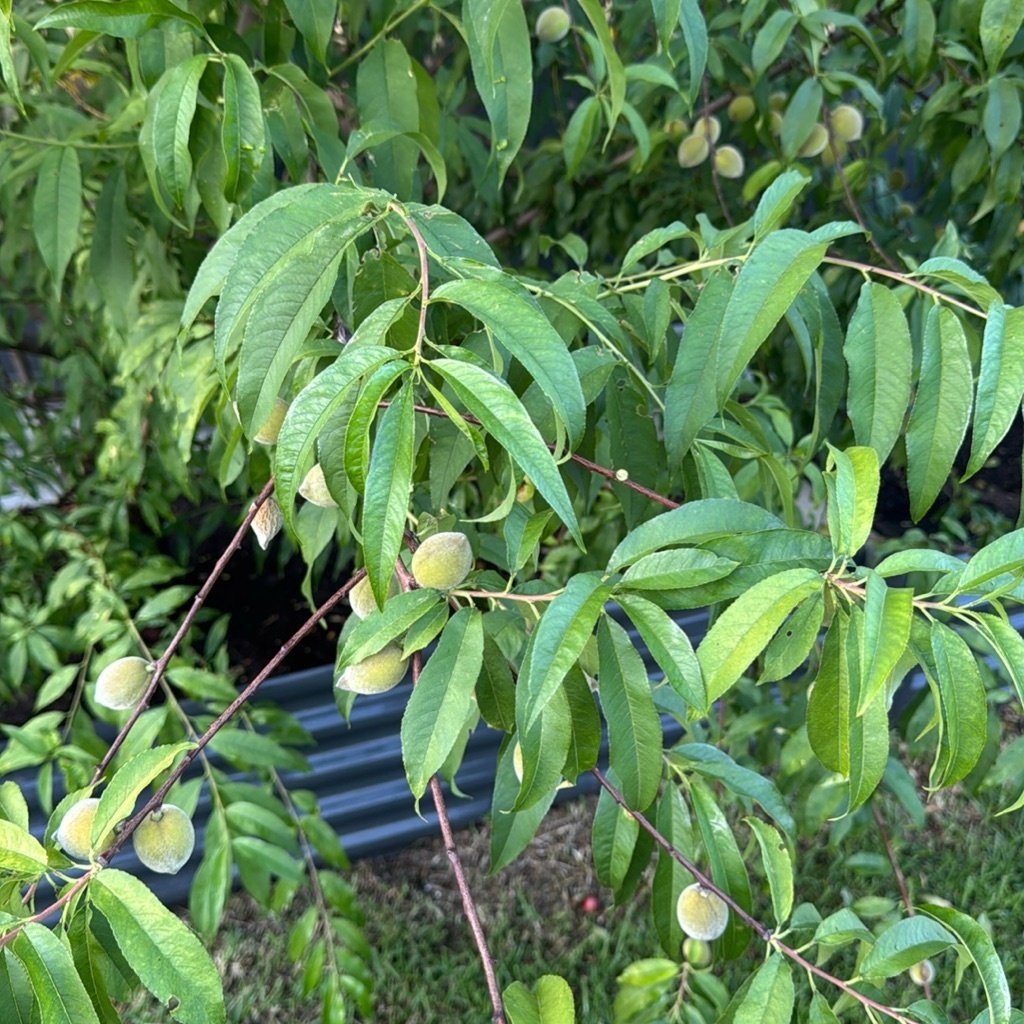
Peach
Prunus persica, commonly known as the peach, is a deciduous tree native to northwest China. It belongs to the family Rosaceae, which includes other key fruit-bearing plants. The peach tree typically reaches 4 to 10 meters in height and produces pink flowers which blossom in early spring. The fruit itself has a velvety skin, with flesh that ranges from white to yellow or pink, depending on the variety. Peaches are not only valued for their delicious and juicy fruits but are also appreciated for their ornamental beauty. The longevity of a peach tree can reach up to 12 years, depending on care and environmental conditions.
-
Pomegranate
Punica granatum, commonly known as pomegranate, is a long-lived, deciduous shrub or small tree native to the region from Iran to northern India and widely naturalized around the Mediterranean. It typically grows 3–5 m tall, with glossy, opposite to sub-opposite leaves and striking orange-red, tubular flowers that attract pollinators. The fruit is a leathery-skinned berry containing hundreds of jewel-like arils rich in juice and seeds. Pomegranate is adapted to semi-arid climates, tolerating heat, wind, and alkaline soils better than many fruit trees, yet it benefits from consistent moisture during flowering and fruit set. Most cultivars are self-fertile, though cross-pollination by bees can improve yield. In addition to its culinary value, it is prized ornamentally for its showy blossoms and attractive bark; dwarf and double-flowered selections are popular in containers and bonsai. Trees can bear within 2–3 years from planting and may live decades with minimal pruning, making them suitable for water-wise gardens and Mediterranean-style landscapes.
-
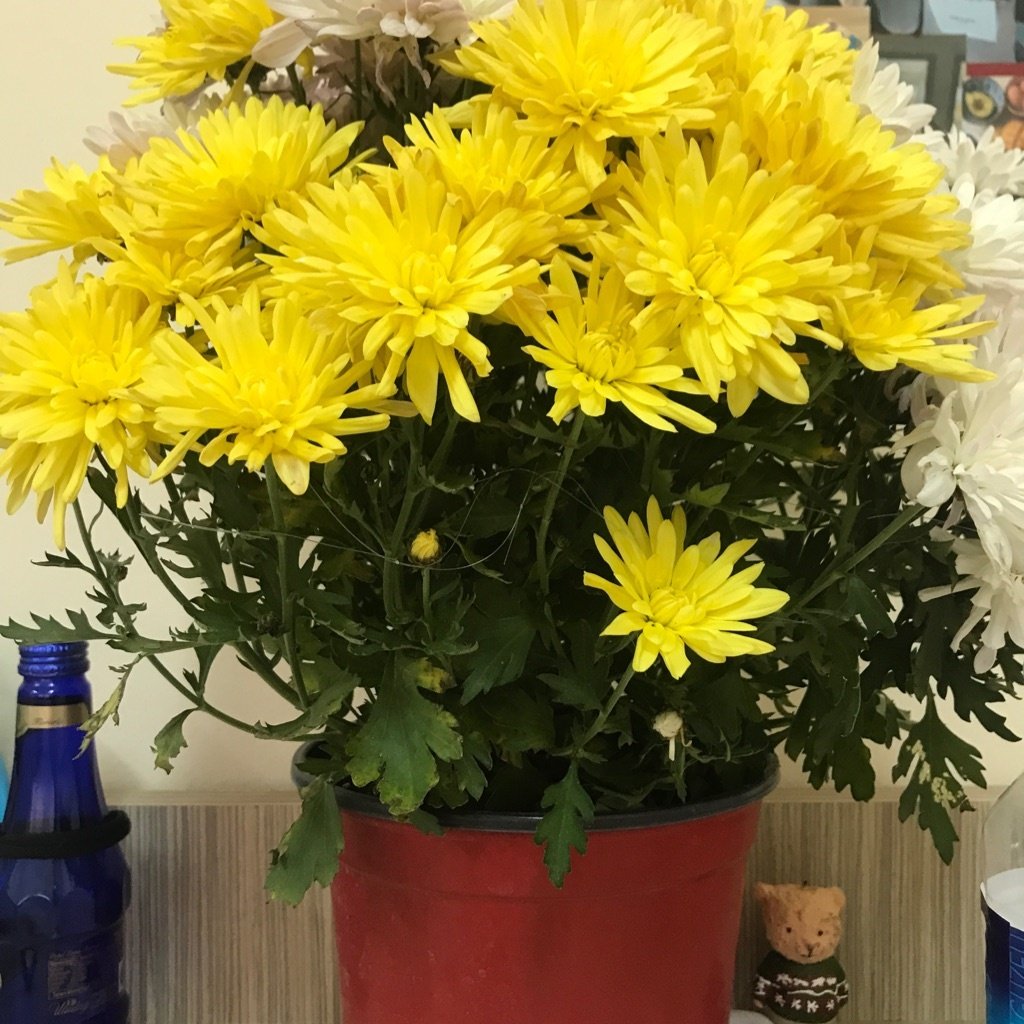
Florist’s Chrysanthemum
Chrysanthemum × morifolium, commonly referred to as the Florist’s Chrysanthemum, is a perennial flowering plant renowned for its vibrant, showy blooms. Typical colors include pink, purple, red, yellow, and white, often appearing in prolific clusters from late summer to fall. This hybrid descends from parent species native to East Asia, specifically China and Japan. Chrysanthemums are highly valued in horticulture for their diverse flower forms and colors, playing significant roles in cultural festivals and garden aesthetics. This species is compact with deeply lobed leaves and a bushy habit, making it popular for both container gardening and landscape borders.
-
Mother of Thousands
Kalanchoe daigremontiana, often sold under the synonym Bryophyllum daigremontianum, is a distinctive caulescent succulent native to Madagascar. It forms upright, fleshy stems topped with opposite, triangular-lanceolate leaves that are gray-green with purple mottling. The defining feature is its viviparous habit: miniature plantlets form along the serrated leaf margins, drop, and root readily, enabling rapid colony formation. Mature plants can reach 30–100 cm tall. In bright, cool short-day conditions, it may produce pendant, tubular, salmon-pink flowers on tall inflorescences, though blooming indoors is uncommon. Highly drought-tolerant, it prefers fast-draining, mineral-rich substrates and infrequent watering. All parts contain bufadienolide cardiac glycosides, making it toxic to pets and people if ingested. The species can be invasive in frost-free regions due to prolific plantlet production, so careful containment and responsible disposal are essential. With adequate light, warmth, and a dry regime, it grows fast and is easy to maintain.
-
Standish’s fuchsia
Fuchsia × standishii is a classic hardy fuchsia, an old garden hybrid prized for its long flowering season and graceful, arching habit. It forms a bushy, semi-evergreen shrub typically 1–1.5 m tall, with fine to medium green leaves on reddish stems. From late spring or early summer to the first frosts, it produces abundant pendant blooms with crimson to carmine sepals and a contrasting purple to magenta corolla, often with protruding stamens that attract pollinators. Compared with tender bedding fuchsias, it offers improved cold tolerance and can be grown outdoors year-round in mild climates if mulched and pruned. It thrives in cool summers with consistent moisture, making it excellent for borders, mixed shrub plantings, or large containers. Regular deadheading and light pruning keep plants dense and floriferous. Although the hybrid does not occur in the wild, its parentage lies among Central and South American species, conferring a preference for humus-rich, moisture-retentive yet free-draining soils and slightly acidic conditions.
-
Lettuce
Lactuca sativa, commonly known as lettuce, is a cool-season annual grown primarily for its tender, edible leaves and, in some types, compact heads. It includes diverse cultivar groups such as leaf, romaine (cos), butterhead, and crisphead, each differing in texture, flavor, and growth habit. Plants have shallow, fibrous root systems and prefer fertile, well-drained soils rich in organic matter. Lettuce grows best in cool temperatures, producing crisp, mild leaves; heat accelerates bolting (premature flowering) and can cause bitterness. Most varieties mature quickly, typically within 30–70 days from sowing depending on type and season. Regular, even moisture is essential to prevent tip burn and maintain sweetness. Lettuce can be grown in beds, raised planters, containers, and hydroponic systems. It is generally tolerant of light frosts, especially at the seedling stage, but sustained freezing or high heat reduces quality. Common pests include aphids, slugs, and snails; diseases include downy mildew and bottom rot, mitigated by good spacing, airflow, and crop rotation.
-
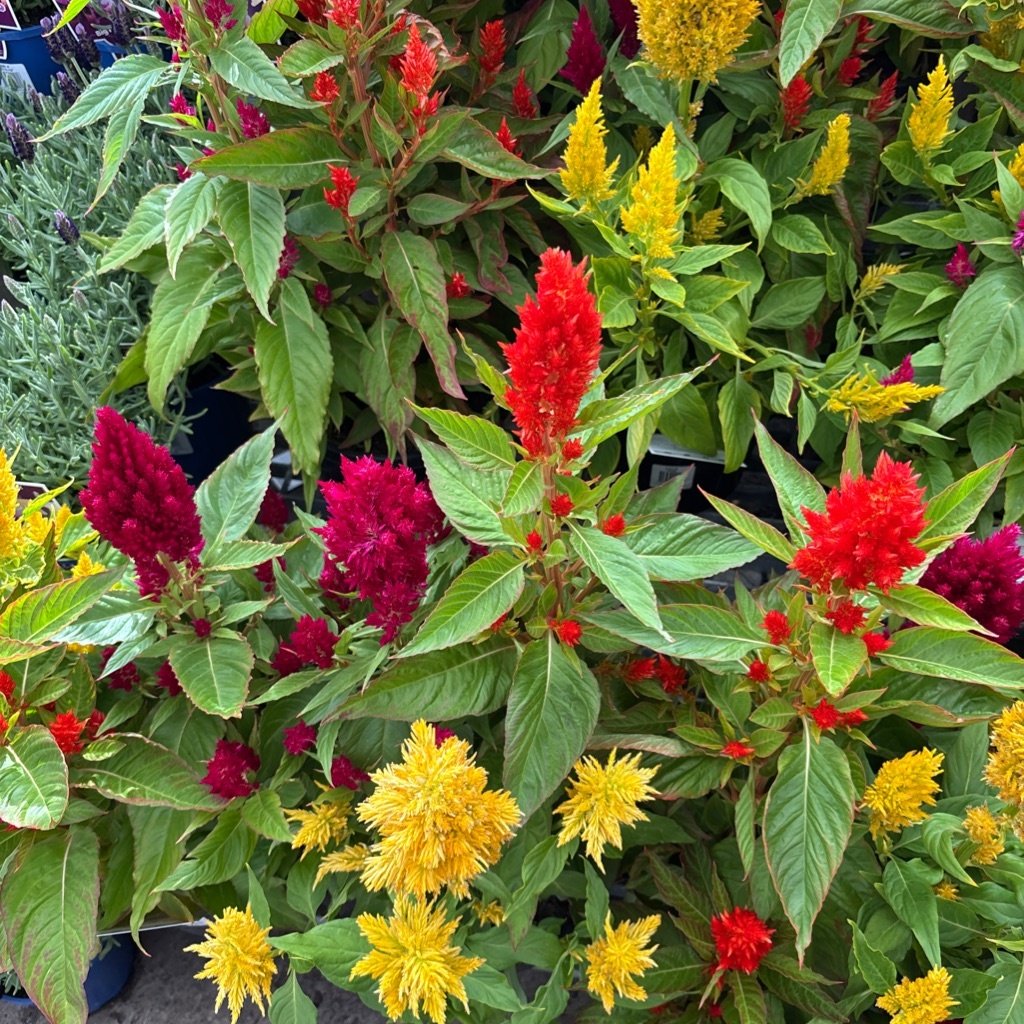
Cockscomb
Celosia argentea, commonly known as Cockscomb, is a vibrant flowering plant that belongs to the amaranth family. Known for its unique flower heads that resemble a rooster’s comb, this plant can grow up to 1 meter in height. Its flowers come in a range of colors including red, yellow, pink, and gold, making it a popular choice for adding color to gardens. Celosia argentea thrives in warm weather and is often planted in the summer for blooms that last until the onset of frost. This annual is not only visually stunning but also relatively easy to grow, which makes it particularly appealing for gardeners of all skill levels.
-
Opium poppy
Papaver somniferum is a cool-season annual known for its glaucous, blue-green foliage, nodding buds, and large, crinkled-petal flowers in shades of white, pink, red, and purple, often with dark basal blotches. Plants typically grow 60–120 cm tall and form attractive, waxy seed capsules that are valued ornamentally and for culinary poppy seeds. Native to the eastern Mediterranean and long domesticated, it thrives in lean, well-drained soils under full sun and dislikes root disturbance due to its strong taproot. Bloom occurs from late spring to early summer, attracting bees and other pollinators. After flowering, the capsules mature and dry on the plant; seeds can self-sow readily in suitable conditions. While the cleaned seeds are edible, other plant parts contain alkaloids and are toxic if ingested. Ideal for cottage gardens, meadows, and naturalistic plantings, this species performs best with minimal fertilization and careful attention to drainage and spacing.
-
Zebra plant
Aphelandra squarrosa, commonly called the zebra plant, is a tropical understory shrub native to Brazil’s Atlantic Forest. It is prized for its striking foliage: large, glossy, dark-green leaves prominently veined in white, forming a bold, zebra-like pattern. Indoors it typically reaches 12–24 inches (30–60 cm) tall and wide. In ideal conditions, mature plants produce dramatic, cone-like, bright yellow bracts topped with small white flowers; the showy bracts can persist several weeks. This species is a demanding but rewarding houseplant, preferring steady warmth, high humidity, and bright, filtered light. It dislikes drought, soggy soil, drafts, and sudden changes in environment—stress often leads to leaf drop or crispy margins. Use a porous, slightly acidic mix that drains quickly yet retains even moisture, and avoid letting the pot sit in water. After flowering, remove spent bracts and lightly prune to maintain a compact shape. With consistent care, stable conditions, and attentive watering, Aphelandra squarrosa can provide dramatic, year-round foliage interest and occasional, spectacular seasonal blooms.
