
Bergera koenigii (syn. Murraya koenigii), commonly called the curry leaf plant, is a small, aromatic evergreen to semi-evergreen tree in the citrus family (Rutaceae). In cultivation it typically reaches 1–3 m in containers and 4–6 m in the ground, forming a sparsely branched canopy with pinnate leaves bearing 15–25 glossy, highly fragrant leaflets. Clusters of small, white, citrus-like flowers appear in warm seasons, followed by shiny black drupes; the pulp is edible but the seeds are considered toxic. The leaves are a staple seasoning in South Asian cuisines and are richest in aroma when fresh. The plant prefers warm, bright, frost-free conditions and well-drained, slightly acidic soils. It develops a pronounced taproot, appreciates regular pruning to encourage bushiness, and can be grown outdoors in tropical to subtropical climates or indoors under high light in cooler regions. Do not confuse it with the unrelated ornamental “curry plant” (Helichrysum italicum), which smells of curry spices but is not a culinary substitute.
Archives: Plants
-
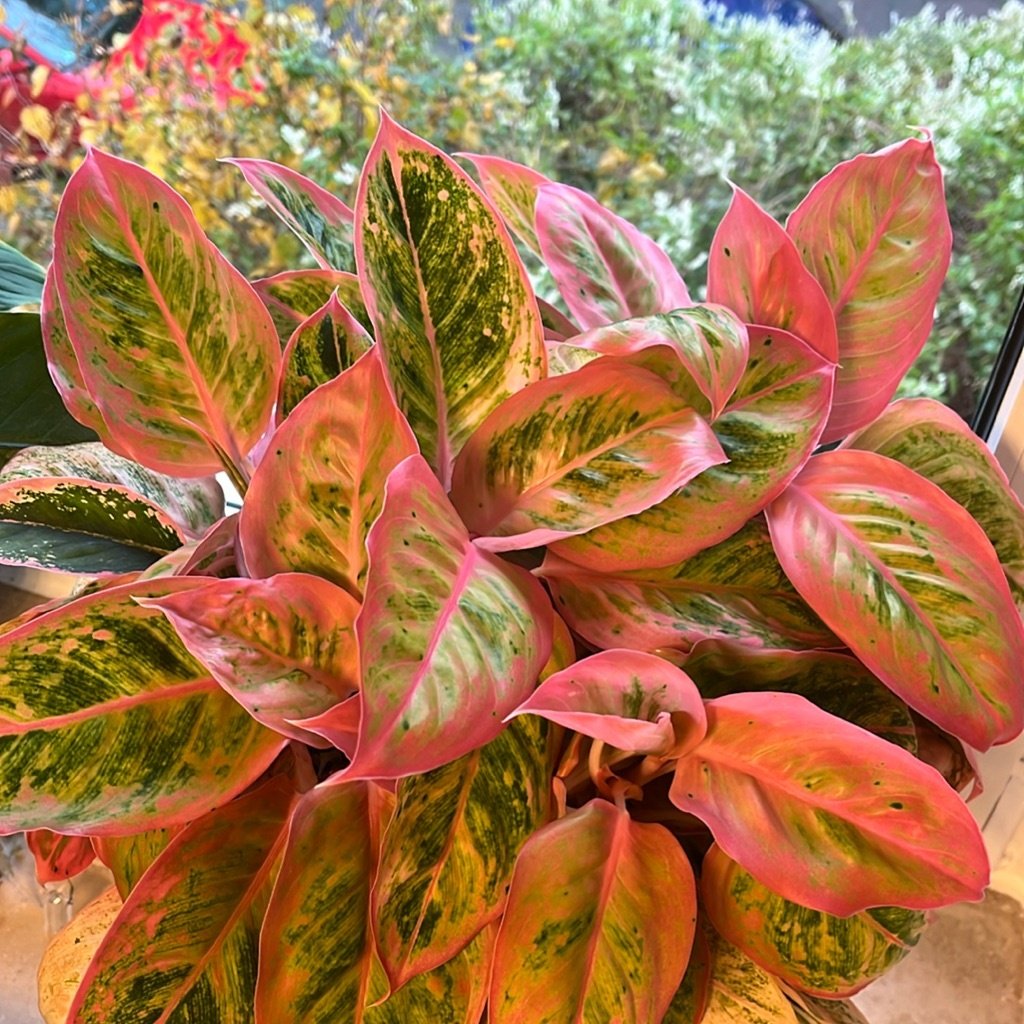
Chinese Evergreen
Aglaonema commutatum, commonly known as the Chinese Evergreen, is a highly decorative plant with several interesting varieties. This plant features lush green leaves splashed with silver or creamy patterns, making it a popular choice for indoor environments. Native to the tropical forest floors of the Philippines and northeastern Celebes, this plant thrives under the canopy of tall trees, which makes it well-suited for low-light indoor conditions. The Chinese Evergreen is also admired for its ability to purify the air and is considered relatively easy to care for, making it an ideal plant for both beginners and experienced plant enthusiasts.
-
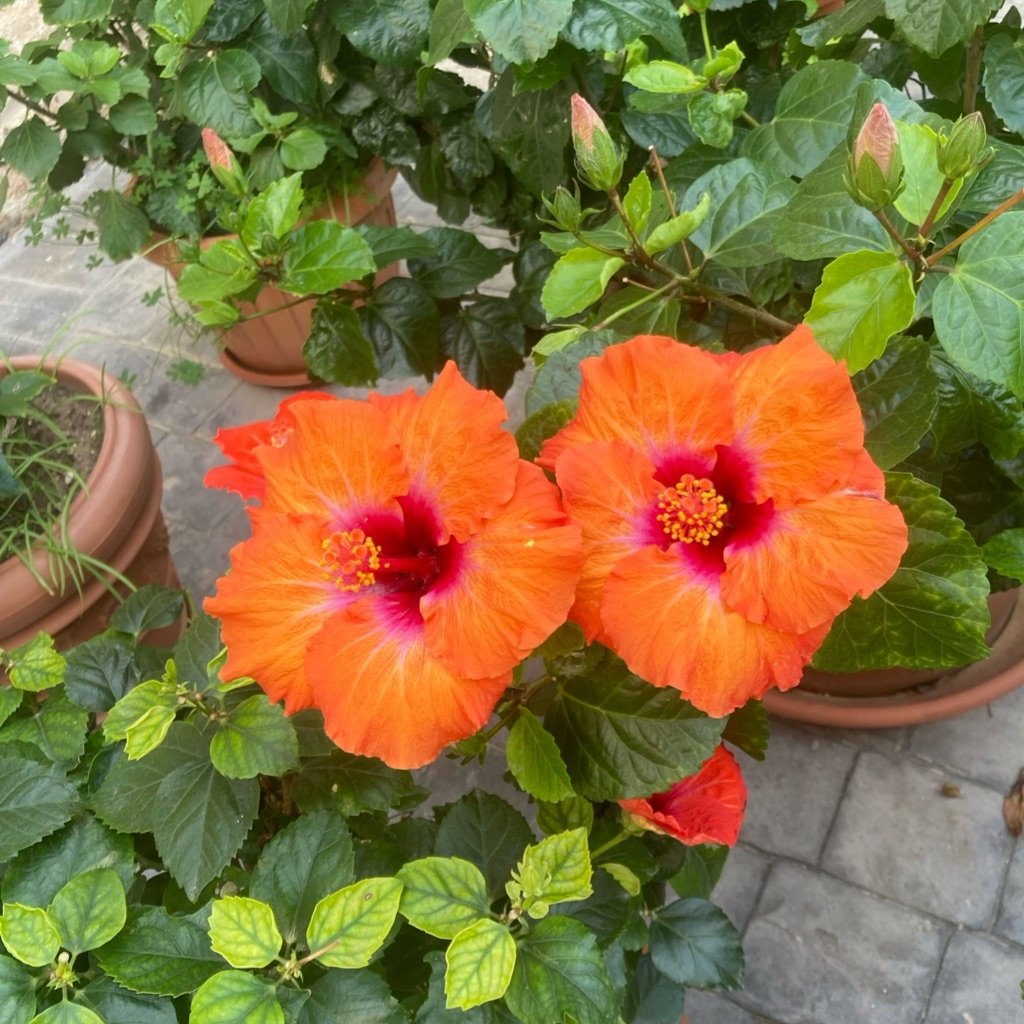
Chinese hibiscus
Hibiscus rosa-sinensis, commonly known as Chinese hibiscus or China rose, is a popular flowering plant notable for its large, colorful blooms, which can appear in shades of red, pink, yellow, and white. Each flower features a prominent staminal column and can be up to 6 inches in diameter. Native to East Asia, particularly China and Taiwan, it thrives in warm, tropical climates and is often cultivated as an ornamental plant in gardens and homes worldwide. This perennial is evergreen, and its glossy leaves provide a vibrant backdrop to its spectacular flowers.
-
Guatemalan air plant
Tillandsia guatemalensis is a medium to large epiphytic bromeliad native to Central America, where it grows on tree branches and rocky outcrops in humid to seasonally moist forests. It forms a loose rosette of arching, strap-like leaves coated in silvery trichomes that help capture moisture and nutrients from the air. The plant typically reaches 20–40 cm in leaf span, and mature specimens produce an upright inflorescence with colorful bracts and tubular blossoms, followed by offsets (pups) that create clumps over time. As a mesic-leaning air plant, it appreciates regular hydration and good air movement, drying fully within a few hours after watering. Unlike terrestrial houseplants, it does not require soil and is best mounted or placed in a fast-drying display. Indoors, it thrives with bright, filtered light and moderate humidity; outdoors, it prefers dappled shade. With consistent watering, periodic feeding, and protection from frost and midday scorch, T. guatemalensis is a resilient, rewarding species for air plant enthusiasts.
-
African milk tree
Euphorbia trigona, commonly called the African milk tree, is a fast-growing, shrubby succulent native to Central Africa. Despite its cactus-like silhouette, it belongs to the Euphorbia genus and exudes a milky latex when cut. Upright, triangular, green stems form candelabra-like columns with pronounced ridges lined by paired spines and small, deciduous, lanceolate leaves. Over time it can reach 4–8 feet indoors and taller outdoors in frost-free climates, developing multiple branches from the base. The species is prized for architectural presence, drought tolerance, and ease of culture, and is widely grown as a houseplant or thorny hedge in the tropics. Varieties such as ‘Rubra’ display reddish or variegated tones under strong light. True flowers are rarely produced in cultivation. Like many euphorbias, it prefers excellent drainage, bright light, and infrequent watering. The latex sap is caustic, so handling requires care. Propagation is straightforward from cuttings taken in warm weather and allowed to callus before rooting in a gritty medium.
-
Parsley
Petroselinum crispum, commonly known as parsley, is a cool-season, aromatic biennial herb in the carrot family (Apiaceae). In its first year it forms a dense rosette of bright green, finely divided, tripinnate leaves that are either curly or flat depending on cultivar. A fleshy taproot anchors the plant and makes it sensitive to transplant disturbance. In its second year, it sends up a hollow, furrowed flowering stalk up to 60–100 cm tall bearing umbels of small greenish-white flowers followed by aromatic seeds. Parsley is valued worldwide as a culinary herb for its fresh, slightly peppery flavor and high vitamin K, C, and A content. It prefers cool to mild temperatures and even moisture, and it can tolerate light frosts. Heat and long days encourage bolting. Parsley grows well in containers if given a deep pot and regular feeding, and it can be overwintered in mild climates or harvested through winter under protection.
-
Bird of Paradise
Strelitzia reginae, commonly called Bird of Paradise, is a rhizomatous, evergreen perennial native to South Africa prized for its sculptural foliage and avian-like blooms. Clumping stems carry large, leathery, paddle-shaped leaves reminiscent of banana, creating a bold, architectural silhouette indoors or in subtropical gardens. Mature plants (often 3–5 years old) produce striking orange and blue flowers from a horizontal, beak-like spathe, designed for bird pollination in nature. Plants typically reach 1–1.5 m (3–5 ft) tall in containers, higher in the ground. It thrives with abundant light, warmth, and evenly moist but sharply drained soil. As a houseplant, it prefers a snug pot to encourage flowering and appreciates occasional outdoor summering in suitable climates. While moderately drought-tolerant once established outdoors, it performs best with consistent care, seasonal feeding, and good air movement. Indoors, bright exposure and periodic cleaning of leaves help prevent pests and maximize photosynthesis.
-
Blue Star Fern
Phlebodium aureum, commonly known as Blue Star Fern, is a distinctive fern with a somewhat abstract appearance. Its blue-green fronds are large, segmented, and have an unusual, wavy appearance that adds texture and interest to any indoor plant collection. Native to tropical and subtropical regions of the Americas, including parts of the United States, it typically grows as an epiphyte in its natural habitat, residing on larger trees and absorbing moisture and nutrients from its surroundings. This species is appreciated not only for its ornamental appearance but also for its hardiness and adaptability to indoor environments.
-
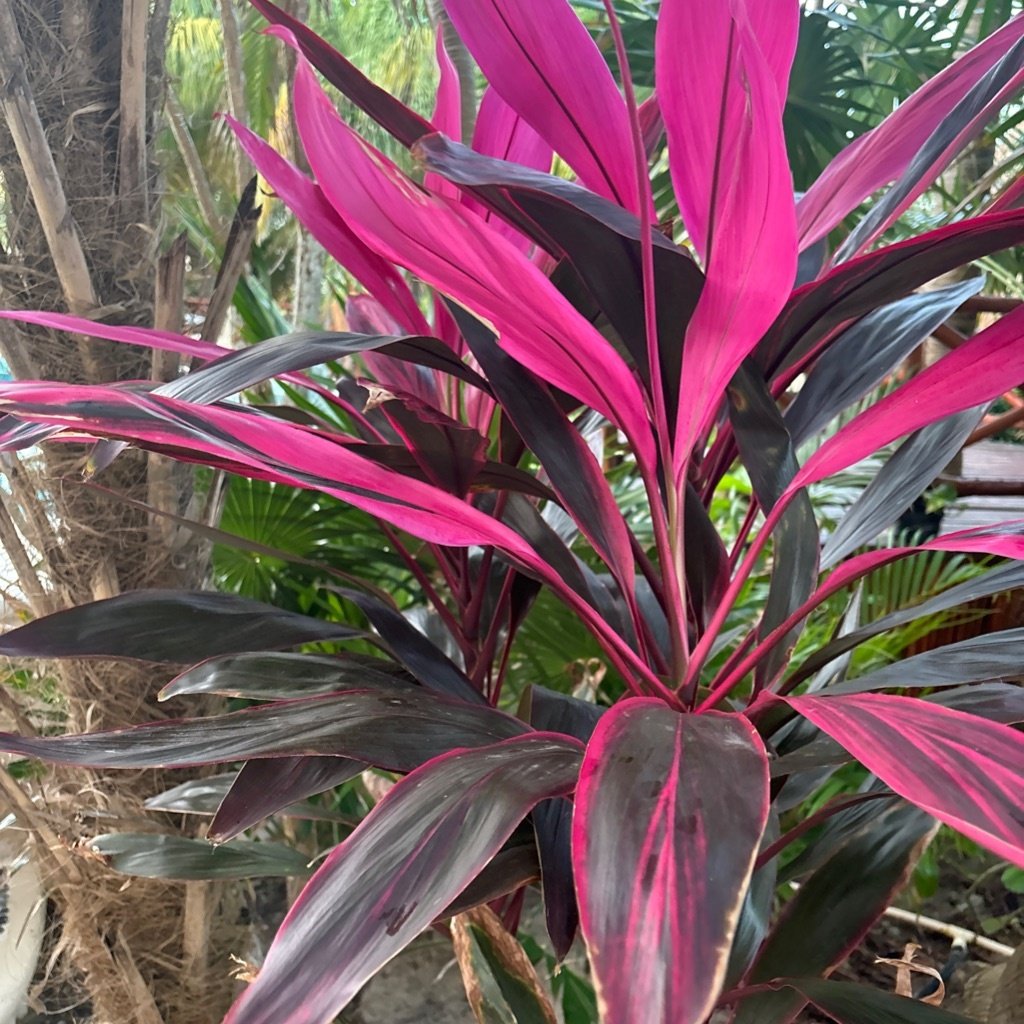
Ti Plant
Cordyline fruticosa, commonly known as the Ti Plant, is a vibrant tropical plant native to Southeast Asia and the Pacific Islands. It features striking foliage that is often a rich blend of red, purple, and green, making it a popular decorative plant in homes and gardens. This evergreen plant can grow up to 10 feet tall in optimal conditions, displaying long, smooth, and glossy leaves that arch gracefully. The Ti Plant is versatile in its uses, ranging from an ornamental garden plant to having cultural significance in Hawaii where it is used in rituals and as a symbol of good luck.
-
Staghorn sumac
Rhus typhina, commonly called staghorn sumac, is a hardy, colony-forming deciduous shrub or small tree native to eastern North America. Reaching 10–30 ft (3–9 m), it is instantly recognizable by its velvety, antler-like young branches and large, pinnate leaves composed of many serrated leaflets. In summer, female plants bear dense, upright panicles of fuzzy crimson drupes that persist into winter and feed birds; the tart, vitamin C–rich fruits are used to make “sumac-ade.” Fall color is spectacular, ranging from golden orange to scarlet. Staghorn sumac thrives on poor, dry, and disturbed soils, stabilizing banks and adding architectural interest. It spreads by rhizomes to form thickets, excellent for naturalized plantings and wildlife cover but requiring management in small gardens. Tolerant of drought, salt, and urban conditions, it is a resilient choice for sunny sites. Not to be confused with poison sumac (Toxicodendron vernix), staghorn sumac lacks urushiol and is generally safe to handle, though sap may irritate sensitive skin.
