
Alocasia × mortfontanensis, commonly known as Alocasia ‘Mortfontanensis’, is a hybrid species of the Alocasia genus, known for its striking and ornate foliage. The leaves are large, with a glossy surface, marked with contrasting veins that often appear in vibrant white or pale green. This makes it a popular decorative plant in homes and gardens. It thrives under consistent care and can grow substantially if provided with the right conditions. This plant is part of the Araceae family, primarily grown for its artistic leaves rather than flowers.
Archives: Plants
-
Strawberry tree
Arbutus unedo is an evergreen shrub or small tree native to the Mediterranean Basin and the western fringes of Europe. Typically 3–8 m tall, it forms a picturesque, multi-stemmed silhouette with cinnamon to reddish bark that flakes attractively with age. Glossy, serrated, dark-green leaves provide year-round texture. In autumn to winter, creamy, urn-shaped flowers appear while last year’s bumpy, strawberry-like fruits ripen from yellow to scarlet—a striking dual display that feeds pollinators and birds. The fruits are edible, mildly sweet and mealy, inspiring the Latin epithet “unedo” (“I eat one”). This species thrives in well-drained, low-to-moderate fertility soils, tolerating wind, salt spray, and summer drought once established. It prefers slightly acidic to neutral conditions but adapts to calcareous sites with vigilant drainage and micronutrient management. As a specimen, hedge, or large-container feature, it offers four-season interest, off-season nectar, and resilience in Mediterranean-style, coastal, and urban landscapes.
-

Florist’s Cyclamen
Cyclamen persicum, commonly known as Florist’s Cyclamen, is a tuberous perennial species that is native to regions like the Middle East and Mediterranean Europe. It is celebrated for its attractive, heart-shaped leaves and distinct, upswept flowers which bloom in shades of pink, white, red, or purple. These flowers have a characteristically reflexed petal appearance, and they generally bloom from winter to spring. The plant’s foliage is also visually appealing with green, silver-marbled leaves. Cyclamen persicum is commonly used in indoor settings due to its decorative appearance and manageable size.
-
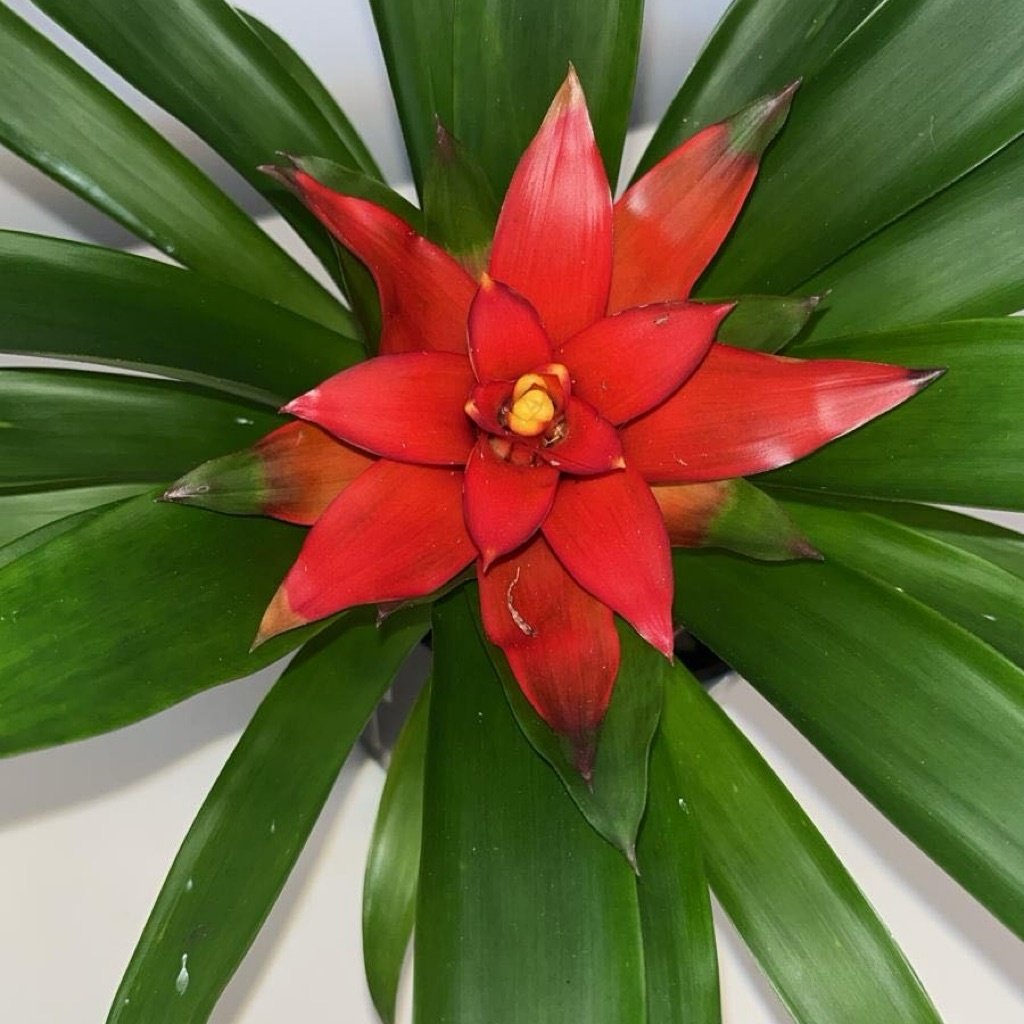
Scarlet Star
Guzmania lingulata, commonly known as the Scarlet Star, is a vibrant tropical plant favored for its striking red floral bracts and lush green foliage. Originating from the rainforests of Central and South America, it thrives under warm and humid conditions. This epiphytic plant typically grows without soil, anchoring itself to trees. The center of the plant forms a water-holding ‘tank’ made from a rosette of leaves, which collects rainwater and debris to nourish itself. The bright red spike can last several months, making it a popular choice for indoor decoration.
-
European hornbeam
Carpinus betulus, the European hornbeam, is a hardy, medium-sized deciduous tree native to much of Europe and parts of western Asia. Typically 15–25 m tall, it develops a dense, rounded crown and distinctive smooth, gray bark with fluted, muscular-looking trunks. Leaves are alternate, ovate, and doubly serrated, turning yellow to orange in autumn; on clipped hedges they often persist dry through winter (marcescence), providing year-round screening. In spring, separate male and female catkins appear on the same tree, followed by clusters of winged nutlets (samaras) with three-lobed bracts. The wood is very hard and historically valued for tools and charcoal. Hornbeam excels as a hedge, screen, or pleached avenue due to its tolerance of heavy pruning and shade. It thrives on a wide range of soils, including chalky clays, preferring evenly moist, well-drained loams. Growth is slow to moderate, and the species is long-lived, wind-firm, pollution-tolerant, and generally resistant to serious pests and diseases.
-
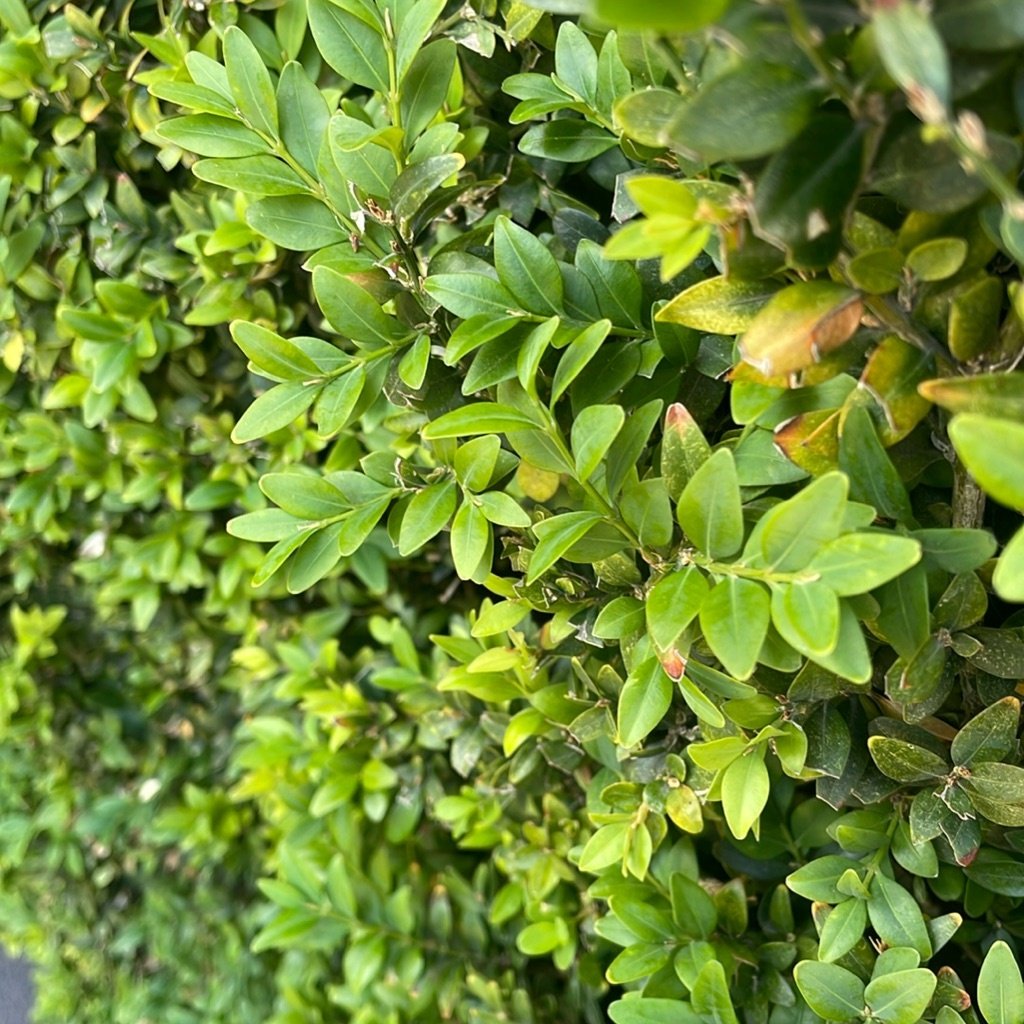
Common Box
Buxus sempervirens, commonly known as Common Box or Boxwood, is a densely leafed evergreen shrub or small tree. It typically grows to 1-3 meters in height but can reach up to 9 meters. Its small, lush green leaves are oval-shaped, and it produces inconspicuous yellow-green flowers in the spring that are highly fragrant. Buxus sempervirens is popular in both formal and informal garden designs, often used for hedging and topiaries due to its ability to withstand frequent clipping and trimming. This plant is native to western and southern Europe, northwest Africa, and southwest Asia.
-
Eggplant
Solanum melongena, commonly known as eggplant, is a warm-season perennial subshrub typically grown as an annual in temperate climates. Native to South Asia, it forms a bushy plant 0.6–1.2 m tall, sometimes with soft spines, bearing large, softly pubescent leaves. Star-shaped violet flowers with prominent yellow anthers mature into glossy berries in an array of forms—globe, oval, or elongated—and colors from deep purple to lavender, white, green, or striped. It thrives in long, hot summers, preferring rich, well-drained soil and consistent moisture. Although largely self-pollinating, flowers respond to buzz pollination by bees, improving fruit set. A heavy feeder with a long season, it performs best with warm soil, steady nutrition, and staking to support heavy fruit. Harvest fruits while glossy and slightly immature for tender texture and mild flavor; overmature fruits become seedy and can taste bitter. Widely cultivated across tropical and subtropical regions, eggplant is a versatile culinary staple suited to roasting, grilling, braising, and stir-frying.
-
Common sage
Salvia officinalis, commonly called common sage, is a woody, evergreen subshrub in the mint family native to the Mediterranean. Growing 30–70 cm tall, it forms dense, branching clumps with wrinkled, gray‑green leaves covered in fine hairs that retain aromatic essential oils. In late spring to early summer, short spikes of violet to bluish flowers attract bees and other pollinators. Long valued as a culinary and medicinal herb, sage lends a resinous, savory flavor to foods and provides ornamental texture in dry gardens and containers. It thrives in lean, sharply drained, often calcareous soils and is notably drought tolerant once established. Plants can become woody and less productive with age but respond well to regular pinching and light renewal pruning. Good air circulation and sun help prevent foliar diseases. Hardy in many temperate climates, it prefers full sun and low to moderate humidity, disliking prolonged wet or heavy, waterlogged ground. Variegated and compact cultivars extend its usefulness in small spaces and ornamental borders.
-
White clover
Trifolium repens, commonly known as white clover, is a low-growing, stoloniferous perennial legume widely used as forage and as a resilient lawn alternative. Its creeping stems root at nodes, forming dense mats 5–20 cm tall that suppress weeds and stabilize soil. The trifoliate leaves often display a pale chevron, and rounded heads bear dozens of small white flowers that may blush pink with age, attracting bees and other pollinators. As a nitrogen fixer, it forms symbioses with Rhizobium bacteria, enriching soil fertility and reducing the need for synthetic nitrogen inputs. Native to Europe and parts of western and central Asia, it is now naturalized across most temperate regions. It tolerates mowing and light foot traffic, thrives in cool, moist conditions, and remains green in mild winters. With adequate moisture and sun, it spreads steadily; in some settings it can be weedy, so edging or containment in beds or pots may be prudent.
-
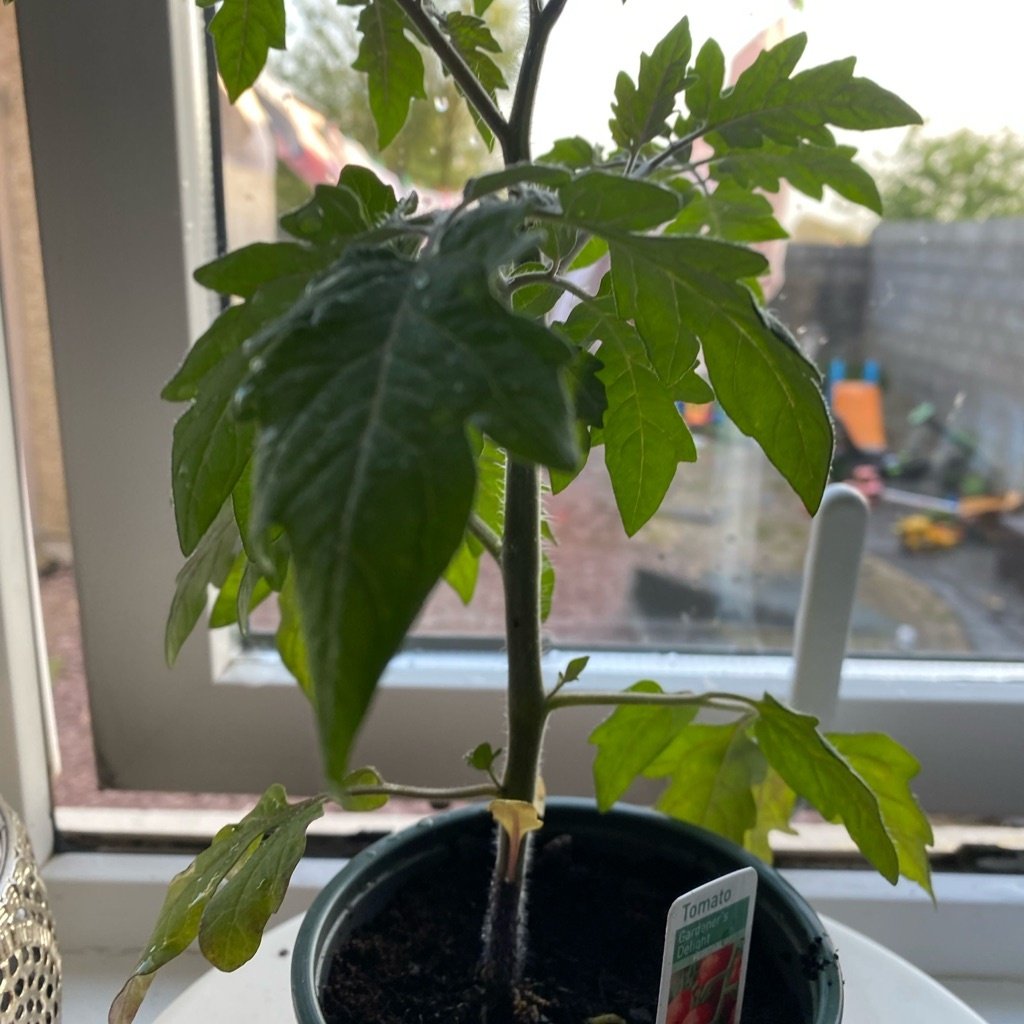
Tomato
Solanum lycopersicum, commonly known as the tomato, is a widely cultivated plant species in the nightshade family, known for its edible, juicy fruits. Originating from South America, tomatoes have been bred into numerous varieties differing in size, color, and taste, ranging from sweet to tart. Typically red when mature, tomatoes can also be yellow, orange, green, and even purple. They are used extensively in culinary contexts worldwide, either fresh in salads or cooked in sauces and dishes. Beyond their culinary versatility, tomatoes offer nutritional benefits, including vitamins C and K, potassium, folate, and lycopene.
