
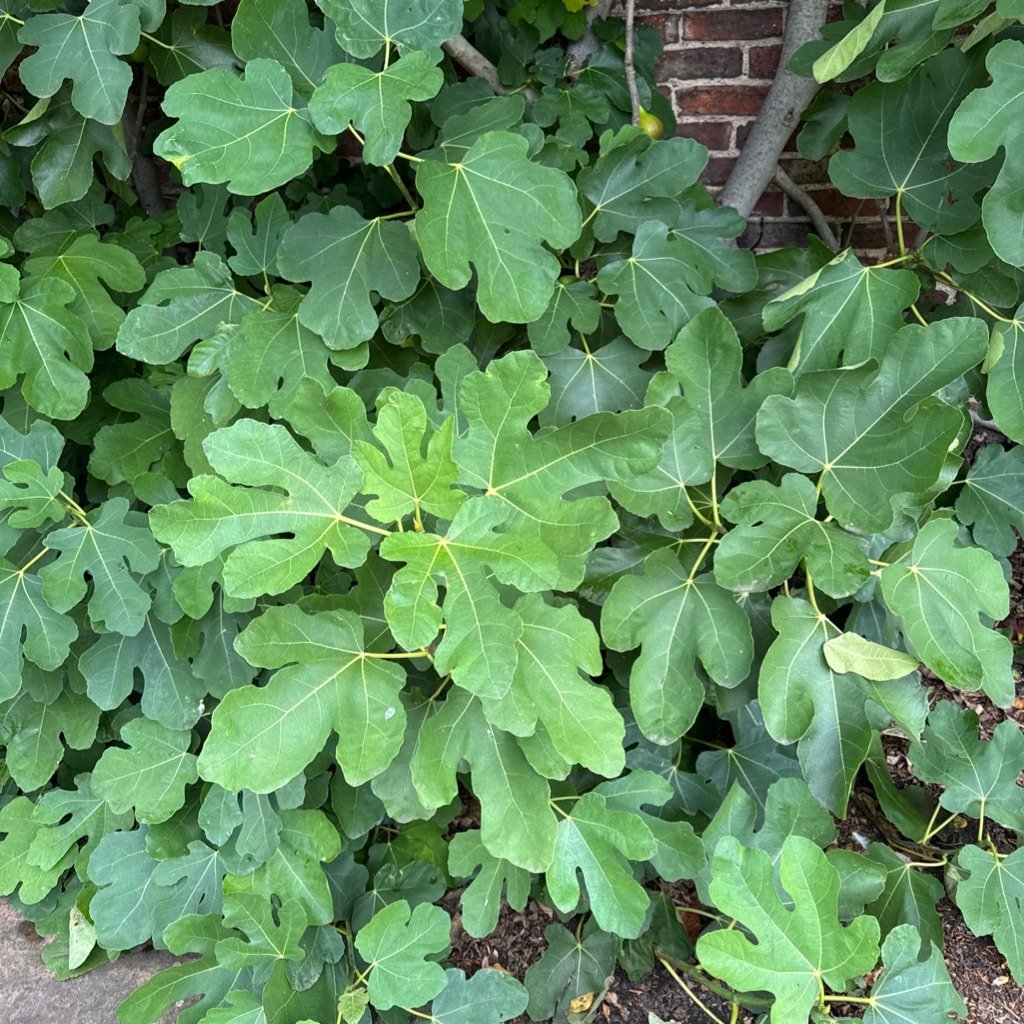
Ficus carica, commonly known as the Common Fig, is a species of flowering plant in the Moraceae family, native to the Mediterranean and western Asia. It is a deciduous tree or large shrub, growing to heights of 7–10 meters (23–33 feet), with smooth white bark and deeply lobed leaves. Known primarily for its fruit, the fig, it has been cultivated since ancient times and is highly valued both for its ornamental appeal and edible fruits. The fruits appear on the spring new growth and provide a valuable food source for wildlife, while also being widely used in cooking and baking.
Archives: Plants
-
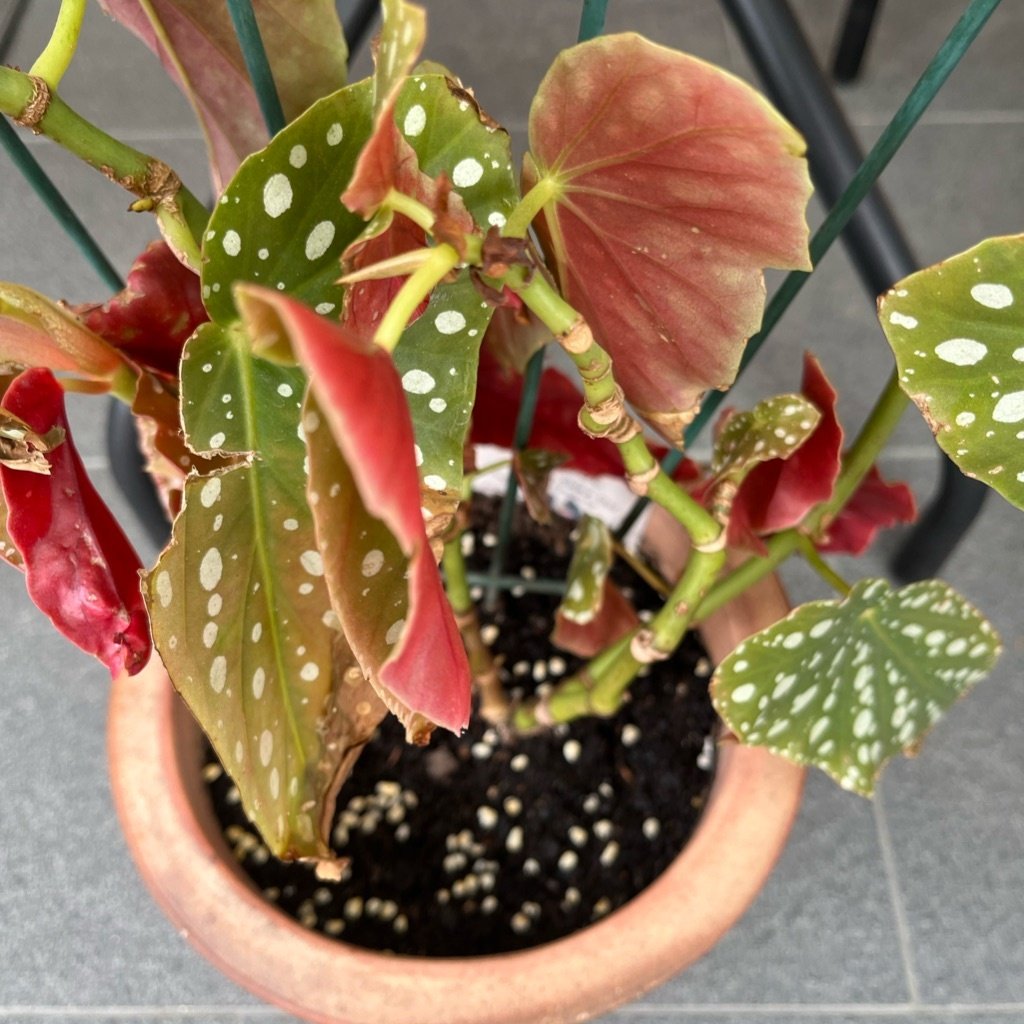
Polka dot begonia
Begonia maculata, known as the Polka dot begonia, is a strikingly beautiful houseplant famous for its patterned leaves and contrasting colors. The leaves are dark green with bright silvery dots, creating a visually stunning display. The underside of the leaves is typically a reddish color, which adds to its attractiveness. This plant occasionally flowers with white or light pink blooms, adding a delicate touch to its bold leaf pattern. Native to tropical forests in Brazil, it thrives in warm and humid conditions imitating its natural habitat.
-
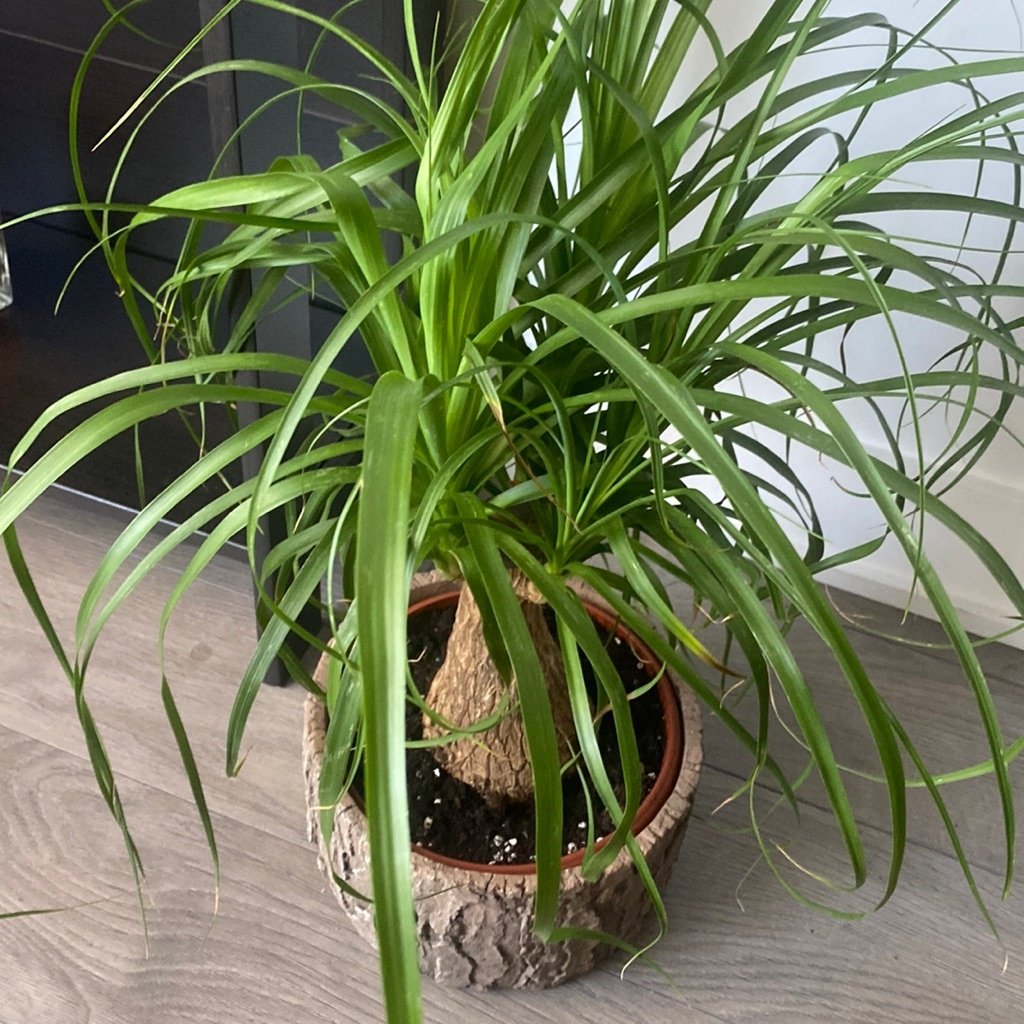
Ponytail Palm
Beaucarnea recurvata, commonly known as the Ponytail Palm, is not a true palm but rather a member of the Agave family. This distinctive plant features a bulbous trunk which serves as a reservoir for storing water during droughts. From this swollen base, narrow, ribbon-like leaves cascade downward, bearing a resemblance to a ponytail. Its slow growth and fetching appearance make it a popular choice as an ornamental houseplant. Native to the arid parts of Mexico, it has adapted well to various indoor environments. Its uniqueness also lies in its ability to survive with minimal care, making it ideal for novice plant enthusiasts.
-
Crape Myrtle
Lagerstroemia indica is a deciduous shrub to small tree prized for its flamboyant, long-lasting summer bloom and handsome, exfoliating bark. Native to China and Korea, it bears large panicles of crinkled, tissue-like flowers in shades of pink, red, lavender, and white, followed by woody seed capsules. Smooth bark peels to reveal mottled patches in tan, cinnamon, and gray, adding winter interest. Foliage emerges bronze to green, then develops attractive yellow to orange-red fall color. It thrives in heat and full sun, tolerating drought and urban conditions once established. Modern cultivars vary widely in size—from compact patio forms to small trees—and many offer improved resistance to powdery mildew. Crape myrtle performs best in well-drained, slightly acidic soils and responds well to thoughtful structural pruning in late winter. In colder climates, it may die back to the ground and re-sprout, still blooming on new wood. Its versatility, extended bloom period, and multi-season appeal make it a staple of warm-temperate landscapes.
-
Common lantana
Lantana camara is a robust, evergreen to semi-woody shrub native to the tropical Americas and now widespread across warm regions worldwide. Typically 0.6–2 m tall, it has rough, opposite, serrated leaves that release a pungent, citrusy scent when bruised. Densely packed, rounded umbels bear many small tubular flowers whose colors often shift as they age—commonly yellow to orange, red, pink, or multicolored—providing a long season of bloom from spring until frost. The flowers attract butterflies, bees, and hummingbirds, while the green berries ripen to glossy black drupes that are poisonous if ingested. Lantana tolerates heat, sun, drought, and salt, thriving even in lean, well-drained soils, making it valuable for coastal and water-wise plantings. However, it is invasive in many tropical and subtropical regions, forming thickets that outcompete native flora. Gardeners can limit spread by choosing sterile or low-seed cultivars and by regular deadheading. Compact selections suit containers, hanging baskets, and sunny borders, offering resilient color with comparatively low maintenance.
-
Mistletoe cactus
Rhipsalis baccifera, commonly called the mistletoe cactus, is a rainforest epiphyte rather than a desert cactus. It forms long, pendulous, pencil-thin stems that cascade elegantly, making it ideal for hanging baskets or high shelves. In bright, gentle light it produces small, starry white flowers followed by translucent, pearl-like berries—the trait that inspired the species epithet “baccifera.” Native to tropical regions of the Americas and, unusually for a cactus, also parts of Africa and Sri Lanka, it naturally grows on tree branches or mossy rock ledges where organic debris accumulates. Its roots prefer airy, fast-draining, humus-rich substrates and consistent, moderate moisture. Compared with desert cacti, Rhipsalis appreciates higher humidity, less direct sun, and evenly moist (not soggy) conditions. It is generally easy-care indoors, adaptable to medium light, and forgiving if watering is slightly irregular. With proper light, humidity, and minimal feeding, it rewards growers with lush, trailing growth and seasonal blooms, bringing a soft, tropical feel to interiors and shaded outdoor spaces.
-
Old-fashioned weigela
Weigela florida is a deciduous, arching shrub prized for its profuse late-spring display of tubular, pink to rose-red flowers that attract bees, butterflies, and hummingbirds. Mature plants typically reach 1.5–3 m tall and wide, though many modern cultivars are smaller. Opposite, ovate leaves create a dense, fountain-like habit; foliage is usually green but can be variegated or burgundy in selections. It blooms primarily on old wood, with a light rebloom possible in summer if conditions are favorable. Adaptable and low-maintenance, it thrives in well-drained soil and full sun, making it a reliable choice for borders, foundations, and informal hedges. Weigela tolerates urban conditions and a range of soils from sandy loams to clays, provided drainage is adequate. Regular renewal pruning after flowering keeps plants vigorous and flowering heavily. Native to East Asia, it has been a staple in Western gardens since the 19th century for its ease of culture, abundant flowers, and compatibility with mixed shrub plantings.
-
Siberian tea
Bergenia crassifolia is a rugged, evergreen perennial prized for its glossy, leathery, paddle-shaped leaves that form tidy clumps and turn rich burgundy in cold weather. In late winter to spring, stout stems carry panicles of nodding, bell-shaped flowers in shades of pink to magenta (occasionally white), offering early nectar for pollinators. Typically 12–18 inches tall and 18–24 inches wide, it is excellent as a groundcover, edging plant, or for softening rock gardens and paths. Native to cold, continental regions of Central and Northeast Asia, it thrives in cool summers and withstands severe winter cold. Its thick rhizomes lend drought resistance once established, while moderate shade preserves leaf quality in hot climates. Long cultivated in temperate gardens, the species is also known for traditional use of its fermented leaves as a tea. Low maintenance, deer-resistant, and long-lived, it performs best in humus-rich, well-drained soil with consistent moisture but good drainage.
-
Japanese anemone
Eriocapitella hupehensis (formerly Anemone hupehensis) is a herbaceous perennial in the buttercup family, prized for late-summer to autumn bloom. Typically 60–120 cm tall, it forms clumps that slowly expand via slender rhizomes. Basal leaves are dark green, trifoliate, and slightly hairy beneath, providing a handsome, textured mound. Wiry, branching stems carry airy clusters of saucer-shaped flowers with 5–7 petaloid sepals in soft pink to rosy-lilac or white, centered by a boss of golden stamens and green carpels that ripen into thimble-like seed heads. It thrives in humus-rich, well-drained soils with consistent moisture and light shade, making it ideal for woodland edges and mixed borders. Flowers are excellent for cutting and attract pollinators. Plants resent disturbance, so choose a permanent site. They are generally deer and rabbit resistant due to acrid sap but can flop in exposed wind; staking or neighboring support may help. Avoid soggy soils to prevent crown or root rot.
-
Crimson bottlebrush
Melaleuca citrina, widely known under its synonym Callistemon citrinus, is an evergreen shrub or small tree prized for its vivid, brush-like flower spikes packed with brilliant red stamens. Native to eastern Australia, it typically grows 2–4 m tall (up to 6–13 ft), with narrow, lanceolate, aromatic leaves that release a lemony scent when crushed. New growth may flush bronze to coppery before maturing to deep green. Flowering occurs mainly in spring to early summer, with sporadic blooms later in warm climates, providing abundant nectar for pollinators and, in the Americas, hummingbirds. The plant forms a dense, naturally rounded habit but responds very well to pruning, making it suitable for hedges, screens, and container culture. It tolerates coastal conditions, brief inundation, and once established is reasonably drought-hardy, though best performance comes with regular moisture and full sun. Bark is grey to brown and somewhat fibrous on older stems. Numerous cultivars exist with variations in size, flower intensity, and cold tolerance.