
Parthenocissus quinquefolia, commonly known as Virginia creeper, is a vigorous, deciduous woody vine native to North America. It climbs by means of tendrils tipped with adhesive disks, allowing it to cling to walls, fences, tree trunks, and rock faces without support. The palmately compound leaves typically have five serrated leaflets, emerging bronze, maturing rich green, and turning brilliant scarlet to burgundy in autumn. Small greenish flowers in late spring give way to bluish-black berries on red pedicels, which are relished by birds but toxic to humans and pets. Capable of growing 30–50 ft (9–15 m) or more, it establishes rapidly and tolerates a wide range of soils, pH, and light levels from full sun to deep shade. It is often confused with poison ivy; Virginia creeper has five leaflets rather than three. While adaptable and low-maintenance once established, it can be aggressive, so regular pruning and placement away from delicate surfaces or gutters are recommended to prevent unwanted spread.
Archives: Plants
-
Common hazel
Corylus avellana, the common hazel, is a deciduous, multi‑stemmed shrub or small tree native to Europe and western Asia. Typically 3–6 m tall (occasionally to 8 m), it often forms broad thickets via suckers. Its rounded, softly hairy leaves with doubly serrate margins emerge fresh green in spring and turn yellow in autumn. In late winter to early spring, before leaf‑out, it produces conspicuous, pendulous pale‑yellow male catkins and tiny red‑tipped female flowers; wind pollination predominates, and many plants are self‑incompatible, so cross‑pollination improves nut set. Edible nuts (hazelnuts/cobnuts) ripen in late summer to early autumn, each enclosed in a frilled husk. Hazel thrives in well‑drained loams under full sun to partial shade and tolerates slightly acidic to calcareous soils. Ecologically valuable, it provides early pollen for insects, dense cover for wildlife, and responds well to traditional coppicing for poles. Numerous cultivars exist for nut production and ornamental foliage, and it can be grown as a hedgerow, coppice stool, or specimen shrub.
-
Mexican orange blossom
Choisya ternata, commonly called Mexican orange blossom, is an evergreen shrub in the citrus family (Rutaceae) valued for its glossy, trifoliate leaves and intensely fragrant, starry white flowers. Native to upland regions of Mexico, it forms a dense, rounded mound 1.5–2.5 m tall and wide, making an excellent screen, hedge, or specimen in mild climates. Foliage releases a sweet, citrusy scent when brushed or crushed, and the main bloom in spring is often followed by a lighter repeat in late summer or autumn. Plants prefer freely draining soil and shelter from the coldest winds, yet they cope well with urban conditions and short dry spells once established. The shrub is relatively pest-free, deer-resistant, and attractive to pollinators. Numerous cultivars exist for different leaf colors and sizes, but the species remains prized for reliability and ease of care in USDA Zones 7–10 (with winter protection at the colder end).
-
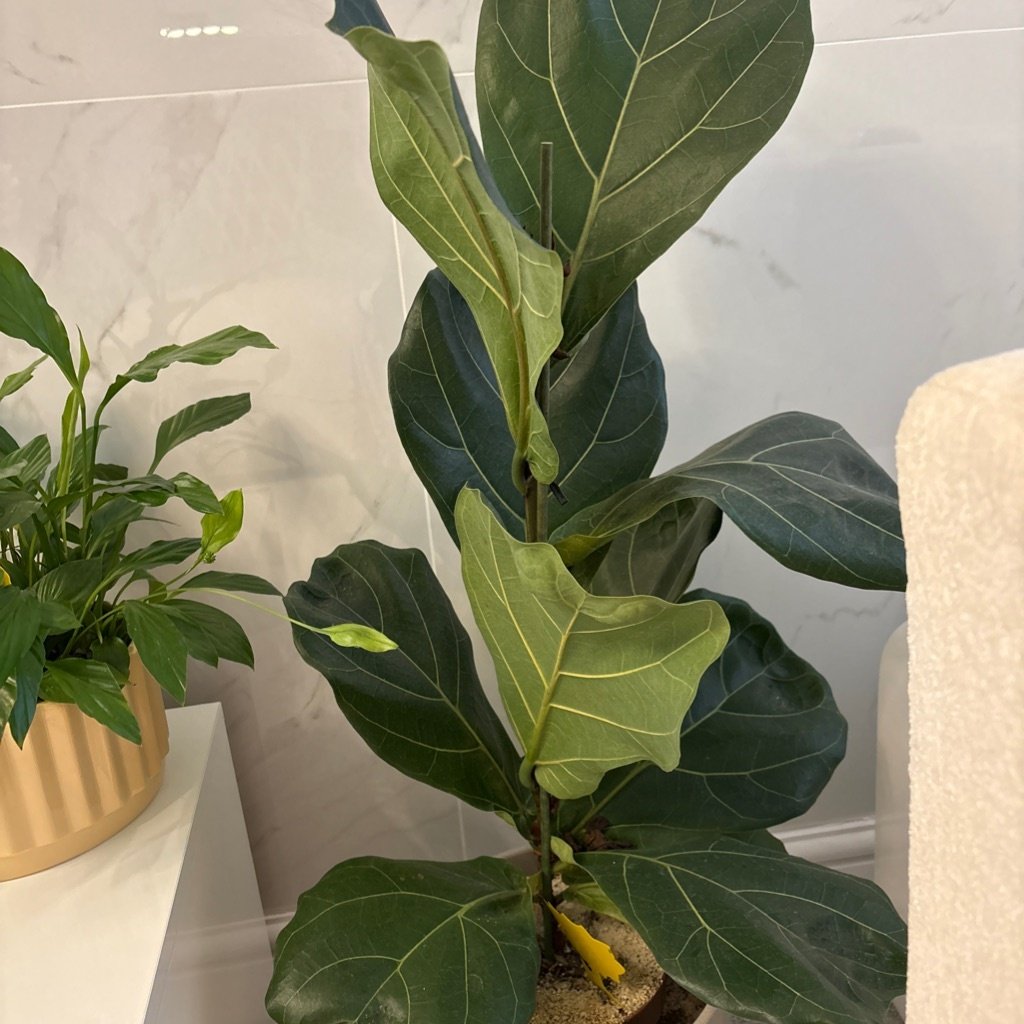
Fiddle Leaf Fig
The Fiddle Leaf Fig, Ficus lyrata, is a species of flowering plant in the mulberry and fig family Moraceae. Native to western Africa, it grows in the lowland tropical regions of Cameroon to Sierra Leone. It thrives in rainforest environments, reaching up to 12-15 meters tall in the wild. The plant is favored for its large, veiny, violin-shaped leaves that can grow up to 50 cm long. In indoor settings, it typically attains a height of 2-3 meters and serves as an excellent ornamental addition to home decor. Known for its finicky care requirements, the Fiddle Leaf Fig enjoys popularity due to its dramatic foliage and imposing appearance.
-
Ginkgo
Ginkgo biloba, the lone living member of an ancient lineage, is a deciduous, dioecious tree famed for its fan-shaped, often bilobed leaves that turn a luminous golden-yellow in autumn. Native to China and preserved for centuries in temple plantings, it is exceptionally long-lived, tolerant of urban pollution, road salt, and compacted soils. Young trees are narrow and pyramidal, gradually developing a broader crown with age. Growth is slow to moderate. Male and female trees are separate; females produce plum-like seeds whose fleshy outer coat has a strong, rancid odor when ripe, so male cultivars are preferred for streets and home landscapes. Ginkgo resists most pests and diseases, requires relatively little maintenance once established, and adapts to a wide soil pH range if drainage is good. Its striking foliage, resilience, and storied evolutionary history make it a popular specimen and avenue tree in temperate climates worldwide.
-
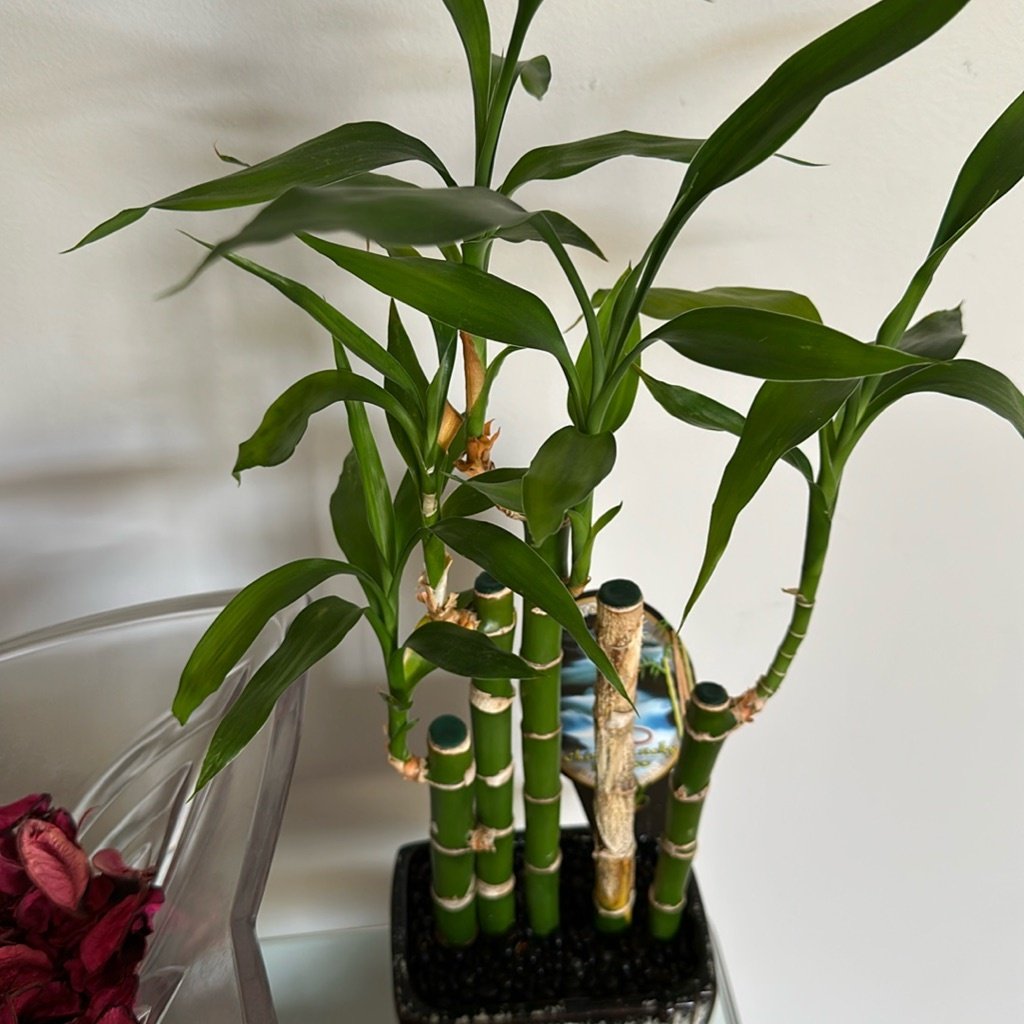
Lucky Bamboo
Dracaena braunii, commonly known as Lucky Bamboo, is not actually bamboo but a species of Dracaena. It is widely cultivated as an indoor plant due to its minimal care requirements and aesthetic appeal. The plant features long, slender leaves that grow from a central stalk, which can be manipulated into various shapes such as spirals and braids. Though it often grows in water, it thrives in well-drained, rich potting soil, resembling its natural tropical and subtropical habitats in Africa. Lucky Bamboo is considered a symbol of good fortune in many Asian cultures and is popularly used in Feng Shui.
-
Japanese mock orange
Pittosporum tobira, commonly called Japanese mock orange, is a dense, evergreen shrub or small tree native to coastal East Asia. It forms rounded mounds of glossy, leathery, dark green leaves arranged in whorls at the stem tips. In late spring to early summer, it bears clusters of small, waxy, white flowers that age to cream and release a sweet orange-blossom fragrance. Woody capsules follow, splitting to reveal sticky, orange-brown seeds that attract birds. Mature plants typically reach 6–15 ft tall and wide, with dwarf and variegated cultivars available for compact spaces. This species thrives in well-drained soils, tolerates salt spray and wind, and is notably drought tolerant once established, making it a staple for coastal and Mediterranean-style landscapes. It accepts shearing for hedges and topiary, yet also looks elegant with selective thinning. Generally low-maintenance, it may encounter scale, mealybugs, aphids, and occasional fungal leaf spots in humid shade. Widely used as a hedge, screen, or foundation plant, it also adapts to large containers in bright light.
-
Borage
Borago officinalis is a fast-growing, self-seeding annual herb native to the Mediterranean, prized for its vivid blue, star-shaped flowers and cucumber-scented foliage. Plants reach 60–100 cm tall with hollow, succulent stems and rough, bristly leaves that deter herbivory and reduce water loss. Borage attracts bees and other pollinators prolifically, making it a valued companion plant in vegetable gardens. The edible flowers are used fresh as a garnish or frozen in ice cubes, and young leaves can be used sparingly for a mild cucumber flavor. It thrives in well-drained soils, tolerating poor fertility and brief drought once established, though consistent moisture supports lush growth and longer bloom. It grows best in full sun but benefits from afternoon shade in hot climates. While culinary use is common, the plant contains pyrrolizidine alkaloids, so frequent or heavy consumption should be avoided. In containers, provide a deep pot to accommodate its taproot and prevent lodging by spacing adequately or staking in windy sites.
-
Pineapple
Ananas comosus, commonly known as the pineapple, is a tropical plant with edible fruit. It is the most economically significant plant in the Bromeliaceae family. The pineapple is indigenous to South America, where it has been cultivated for many centuries. The plant is a short, stocky perennial with a rosette of waxy, lance-shaped leaves measuring up to 150 cm in length. The fruit itself is formed from many individual berries that fuse together around a central core, each berry with an eye, the rough spiny marking on the pineapple’s surface.
-
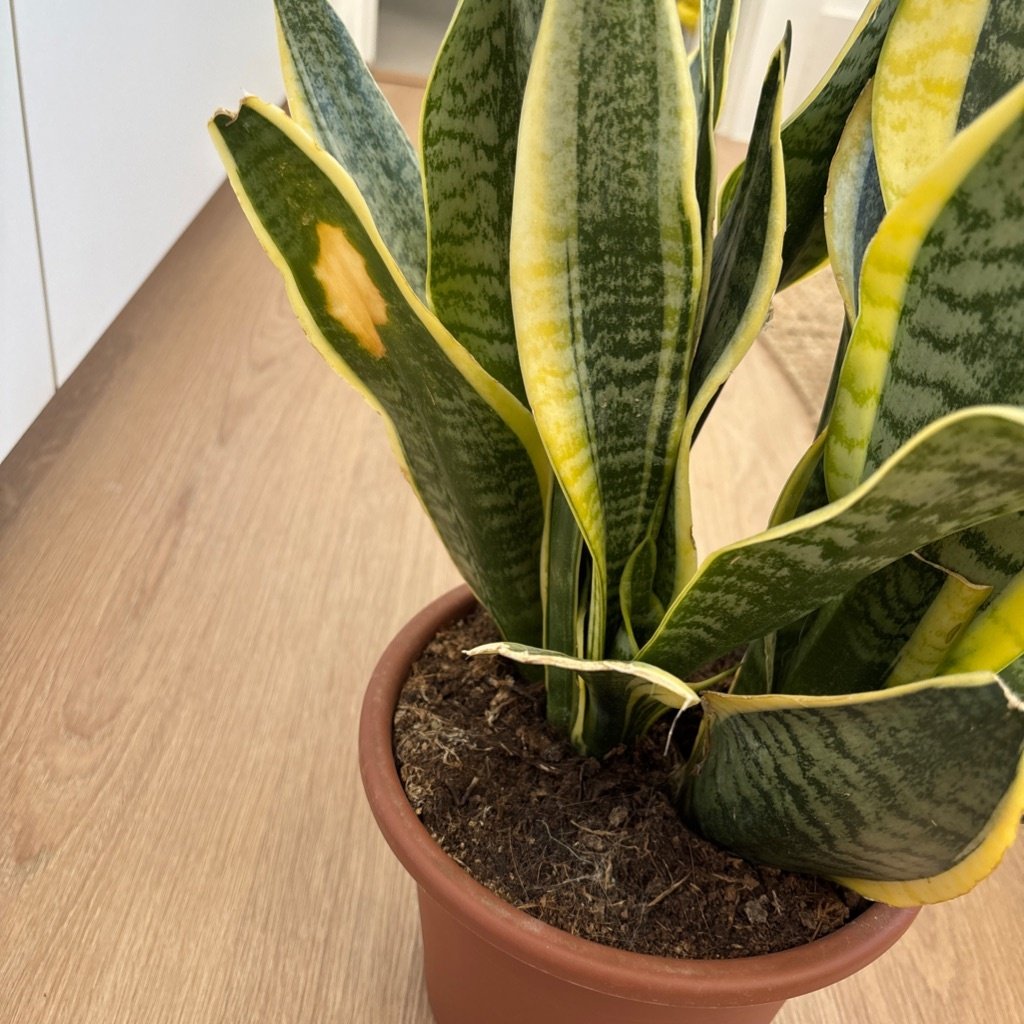
Snake Plant
Dracaena trifasciata, commonly known as the Snake Plant, is a robust succulent renowned for its sword-shaped, upright leaves with vibrant green patterns. These hardy plants are highly appreciated for their adaptability and air-purifying qualities, making them popular indoor plants. Often used in interiorscaping, the Snake Plant can grow up to several feet and thrives on minimal care. They are native to West Africa, where they are adapted to hot, dry climates, a trait that contributes to their drought tolerance and low maintenance needs in home settings.
