
Alocasia zebrina is a striking aroid prized for its boldly banded, zebra-like petioles that contrast with large, arrowhead-shaped, glossy green leaves. Native to the Philippines, it grows from a corm and typically reaches 60–100 cm indoors, producing leaves sequentially; it may shed an older leaf when pushing a new one. The plant thrives in warm, humid, bright conditions and can be sensitive to abrupt environmental changes, low humidity, and overwatering. It prefers an open, well-drained aroid mix and steady moisture without waterlogging. The inflorescence (spadix and spathe) is uncommon indoors and not the main ornamental feature. As with many Alocasia species, it contains insoluble calcium oxalate crystals, making all parts toxic if ingested and potentially irritating to skin. In cultivation it benefits from consistent warmth, filtered light, and good airflow. In suboptimal conditions, it may enter semi-dormancy, slowing growth and dropping leaves, but will resume when warmth, moisture, and light improve.
Archives: Plants
-
Southern magnolia
Magnolia grandiflora is a stately, evergreen tree native to the southeastern United States, renowned for its lustrous, leathery leaves—deep green above with a russet, velvety underside—and its spectacular, creamy-white, lemon-scented blossoms that can span 8–12 inches (20–30 cm) across. Typically forming a dense, pyramidal crown, it reaches 60–80 feet (18–24 m) tall and 30–40 feet (9–12 m) wide in ideal conditions, though smaller in containers or cooler climates. Flowers appear from late spring through summer and are followed by cone-like fruiting structures bearing bright red seeds that attract birds and small mammals. The species grows slowly to moderately, develops a wide, shallow root system, and prefers acidic, organic, well-drained yet evenly moist soils. It is pollinated primarily by beetles, tolerates heat and humidity, and shows moderate resistance to salt spray. Long valued as a focal landscape tree, it provides year-round structure, wildlife resources, and iconic southern fragrance.
-
White mustard
Sinapis alba, commonly called white mustard, is a fast-growing, cool-season annual in the cabbage family (Brassicaceae) native to the Mediterranean Basin and widely naturalized across temperate regions worldwide. Plants typically reach 30–120 cm, forming erect, branching stems with coarse, lobed basal leaves and smaller upper leaves. Clusters of bright yellow, four-petaled flowers mature into bristly pods (siliques) that hold the pale yellow seeds used to make mild table mustard. In addition to culinary seed and edible young greens, white mustard is valued as a cover crop and green manure: rapid biomass production protects and enriches soil, while glucosinolates contribute to biofumigation, suppressing some soilborne pests and pathogens. It prefers full sun, moderately fertile, well-drained loam, and neutral to slightly alkaline soils. The crop is quick to mature—baby greens in 30–45 days, seed in roughly 80–100 days—making it suitable for succession sowing. Heat accelerates bolting and can reduce quality, and common pests include flea beetles, aphids, and caterpillars; rotation, row covers, and steady moisture support healthy growth.
-
Beet
Beta vulgaris is a cool-season biennial in the amaranth family grown worldwide for edible taproots and leafy greens. Domesticated from the coastal sea beet (B. vulgaris subsp. maritima) around the Mediterranean, it now comprises garden beet (“beetroot”), sugar beet, fodder beet, and leaf forms such as Swiss chard. In year one it forms a rosette of glossy leaves and a swollen storage root rich in betalain pigments (betacyanins and betaxanthins). After winter chilling (vernalization), second-year plants bolt, producing tall, branched flower stalks and multigerm seed clusters. Beets favor deep, loose, moderately fertile, well-drained soils and show notable salt tolerance. Varieties span deep red, golden, white, and candy-striped “Chioggia.” Leaves and roots are nutrient-dense, supplying folate, potassium, fiber, and antioxidants. The crop is sensitive to boron deficiency (“black heart”) and grows best with steady moisture to avoid woody texture and internal zoning. Compact growth, short days-to-maturity, and broad climate adaptability make it suitable for home gardens, raised beds, and containers.
-
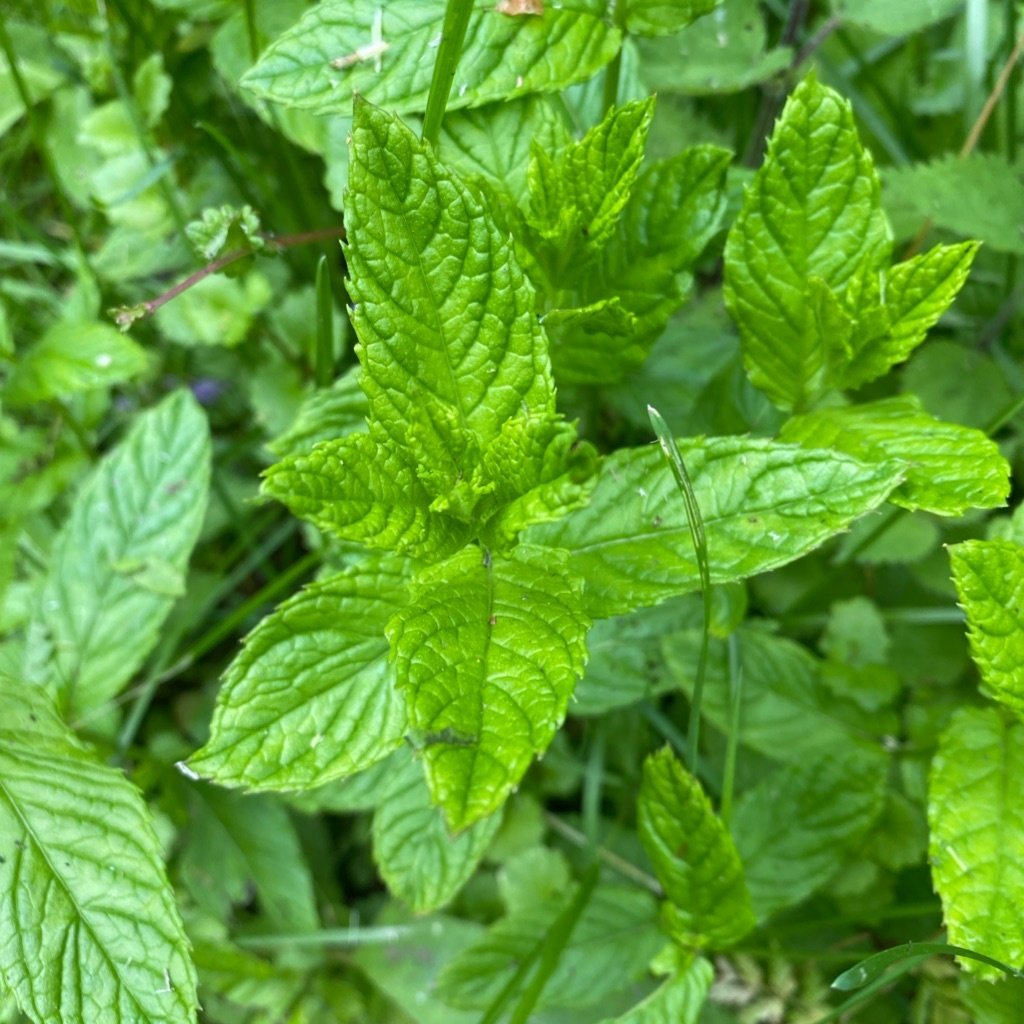
Spearmint
Mentha spicata, commonly known as spearmint, is a perennial herb renowned for its vibrant green leaves and distinctly sweet, minty aroma and flavor. This species of mint grows vigorously to heights of 30 to 100 cm. Spearmint features pointed leaves with serrated edges, and during the summer, it blooms with small pink or white flowers. Native to Europe and Asia, it has become widespread across continents due to its popularity in cooking, teas, and herbal medicine. Its hardy nature allows it to thrive in a variety of environments, though it prefers wet soils and partial shade. Spearmint is notably less aggressive than other mint species but can still spread extensively if not managed.
-
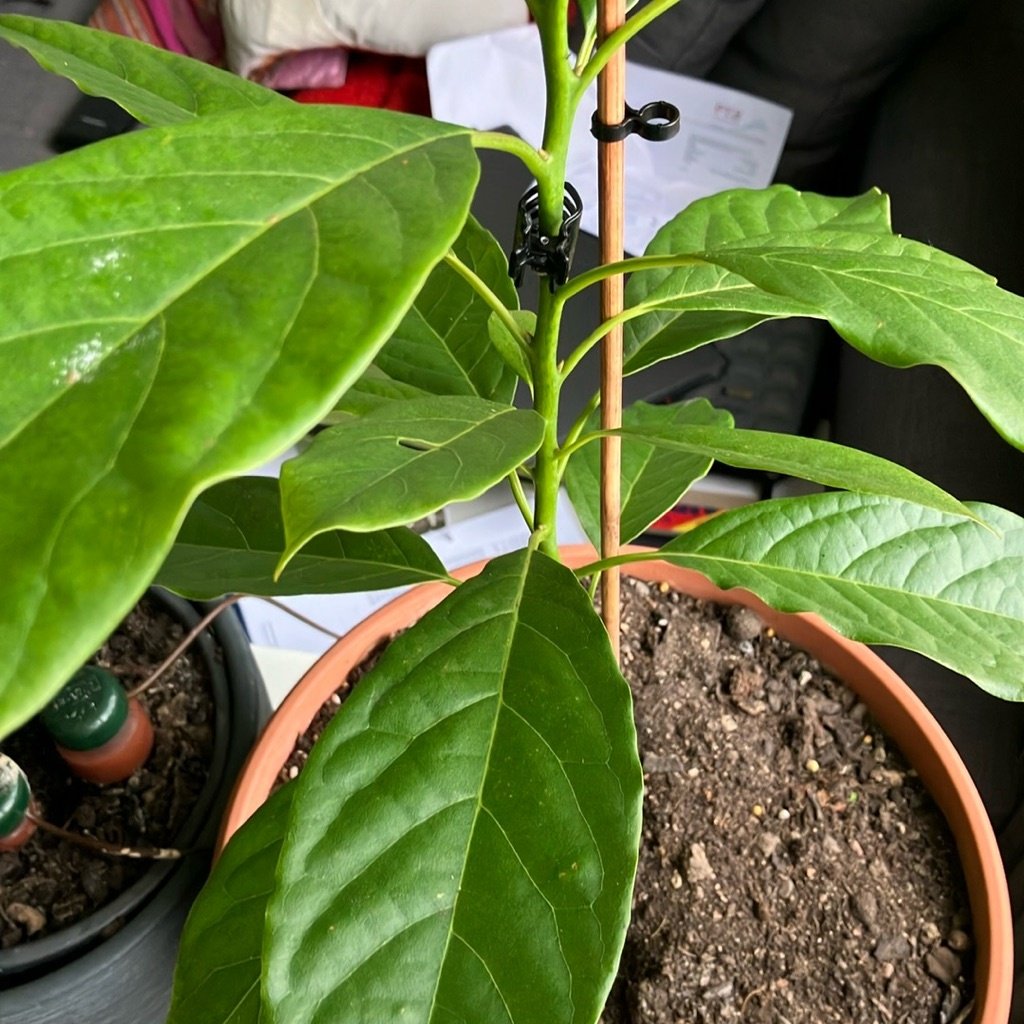
Avocado
Persea americana, commonly known as the avocado, is a medium to large evergreen tree native to the neotropical regions of Mexico, Central America, and South America. Typically growing to heights of 40 to 80 feet in suitable climates, their leaves are dark green, glossy, and oval in shape. Avocados produce pear-shaped fruits that are highly valued for their nutritional benefits, containing healthy fats, vitamins, and minerals. The trees bloom with inconspicuous yellow-green flowers, which are self-pollinating in some varieties, but others may require cross-pollination for fruit production.
-
Asparagus fern
Asparagus densiflorus, commonly called asparagus fern, is an evergreen perennial from southern Africa that is not a true fern but a member of the Asparagaceae. It forms dense, cascading mounds of wiry, often softly spined stems clothed in fine, needle-like cladodes that read as feathery foliage. In favorable conditions it produces small, fragrant white flowers in summer, followed by glossy red berries. The plant grows from fleshy, tuberous roots that store water and fuel vigorous regrowth, making it tough and forgiving indoors or in frost-free gardens. Popular cultivars include ‘Sprengeri’ with arching, trailing stems and ‘Myersii’ (foxtail fern) with upright, brush-like fronds. It prefers bright, indirect light, evenly moist but well-drained soil, and moderate humidity. Outdoors in warm climates it can spread and become weedy; container culture and deadheading are recommended. Handle with care, as stems can be prickly and the berries are mildly toxic.
-
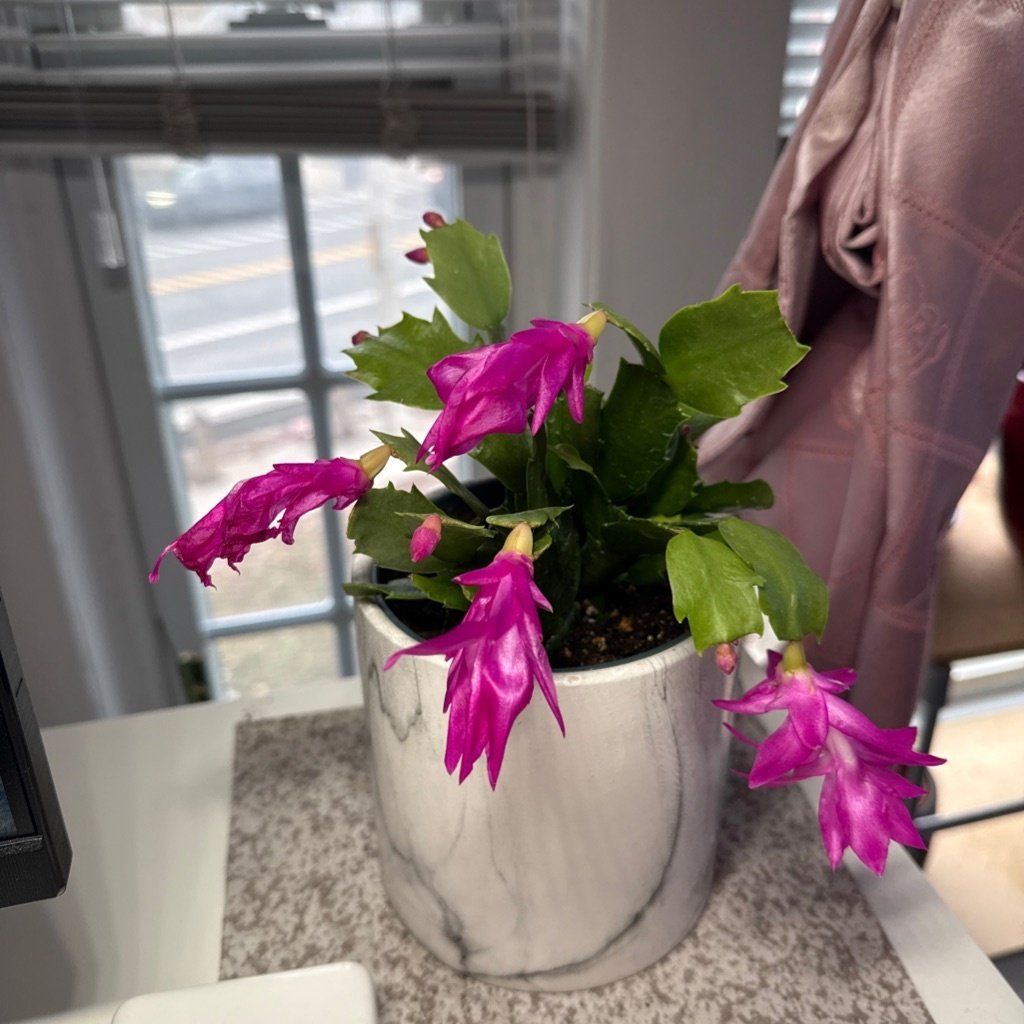
Christmas Cactus
Schlumbergera truncata, commonly known as the Christmas Cactus, is a popular houseplant famous for its vibrant and showy flowers that bloom around the holiday season. Native to the coastal mountains of southeast Brazil, this cactus is not a desert cactus but a tropical one, thriving in environments that mimic the shady, humid conditions of its natural habitat under forest canopies. It features flat, segmented stems that resemble leaves and flowers in shades of red, pink, purple, orange, or white. The blooms emerge from the tips of these stems, curving gracefully like bells.
-
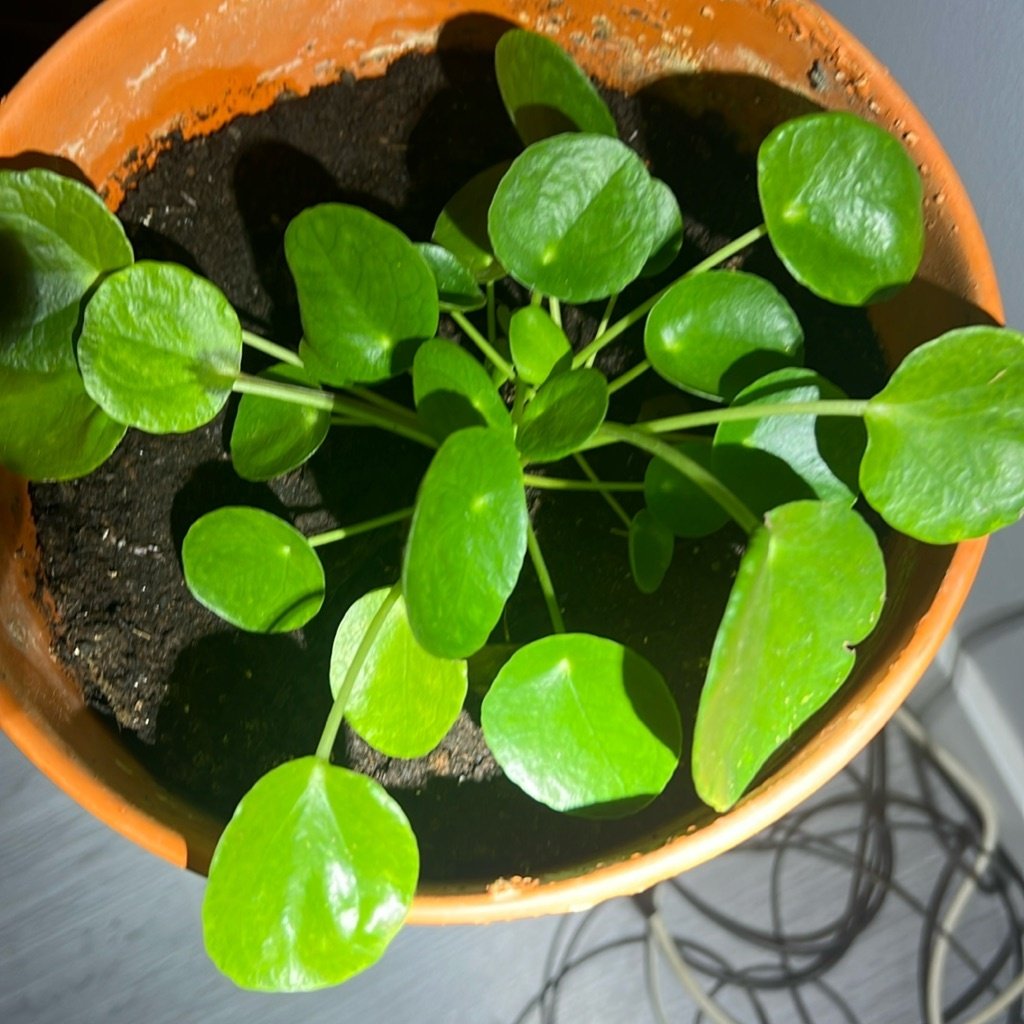
Chinese Money Plant
Pilea peperomioides, commonly known as the Chinese Money Plant, is a popular houseplant famous for its unique, coin-shaped leaves. Native to the Yunnan Province of China, this plant thrives under bright, indirect light but can tolerate moderate shade. It grows rapidly in ideal conditions and is known for its ease of care. The plant’s compact size and minimal root system make it perfect for indoor spaces. Pilea peperomioides is typically characterized by its bright green coloration, with leaves that are perky on single, central stems, making this species a delightful and attractive addition to any indoor garden.
-
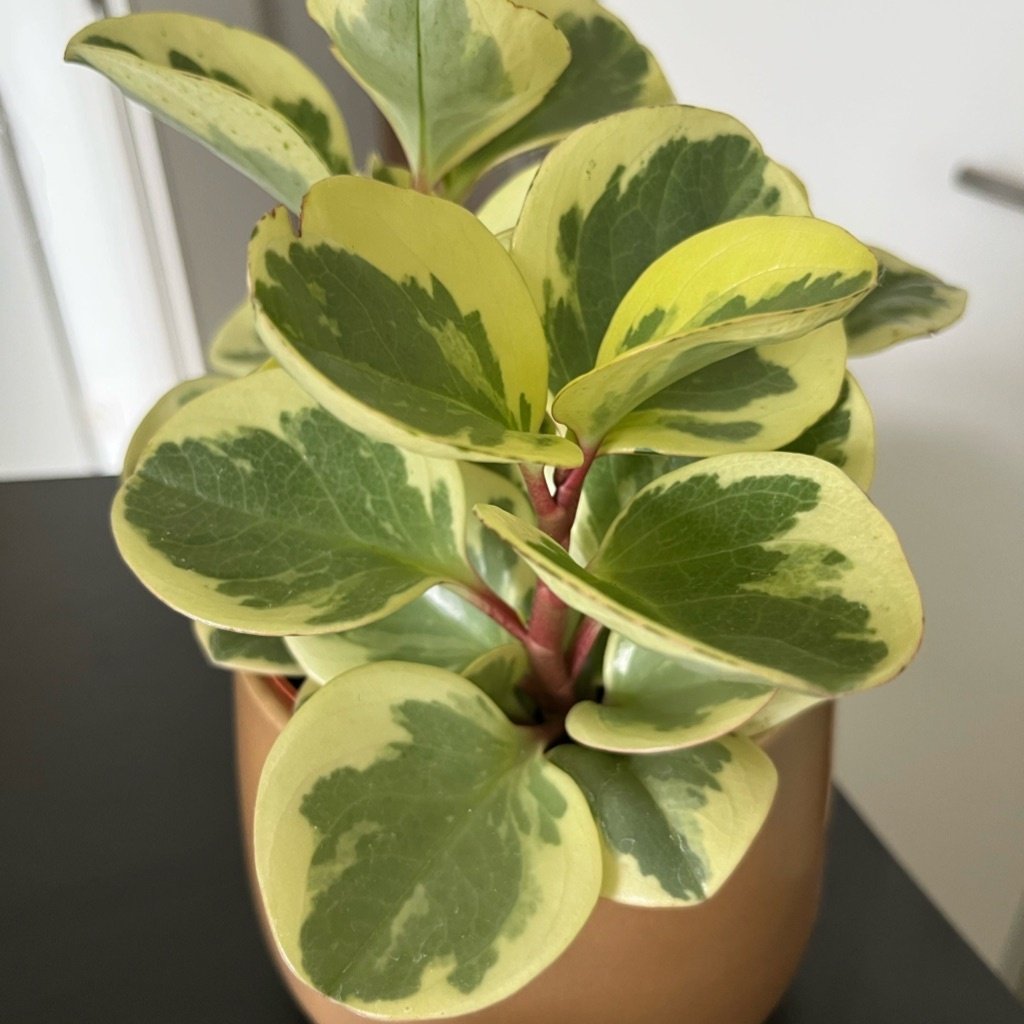
Baby Rubber Plant
Peperomia obtusifolia, commonly known as the Baby Rubber Plant, is a succulent-like evergreen perennial, popular for its rich, glossy, cupped leaves and compact form. It typically grows to about 10 to 12 inches high and wide, making it ideal for indoor pots or terrariums. This species is native to the tropical rainforests of South America, particularly thriving in parts of Florida, Mexico, and the Caribbean. The Baby Rubber Plant is recognized for its adaptability to a variety of indoor conditions and its resilience in low-light environments, making it a favorite among houseplant enthusiasts.
