
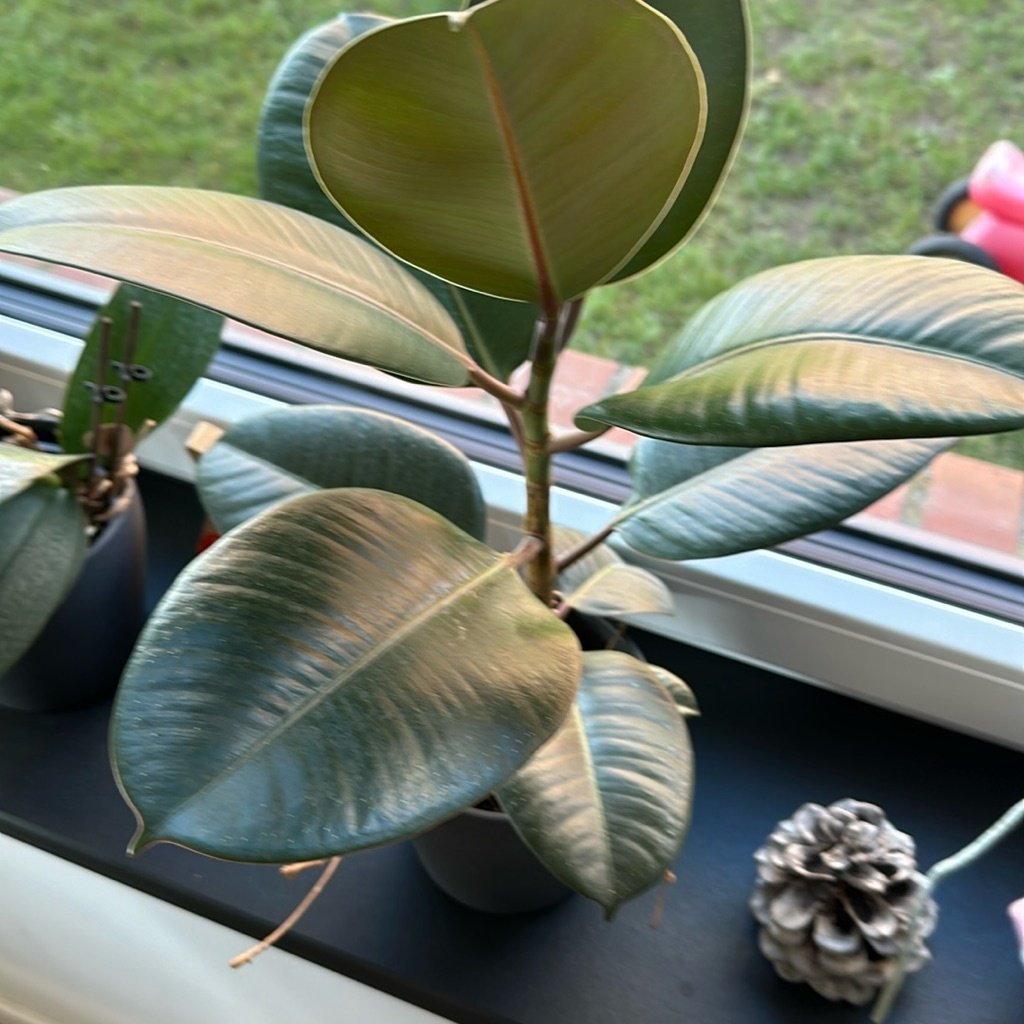
Ficus elastica, commonly known as the Rubber Plant, is a popular houseplant appreciated for its glossy, leathery leaves that range in color from deep burgundy to bright green. Native to the rainforests of South Asia, these plants are robust and can grow quite large under the right conditions, reaching up to 10-12 feet indoors. Its leaves are broad, thick, and have a striking, waxy appearance which makes it a favorite for adding a lush, tropical feel to indoor spaces. Besides its decorative appeal, it is also known for its air-purifying qualities, removing various toxins from the atmosphere.
Archives: Plants
-
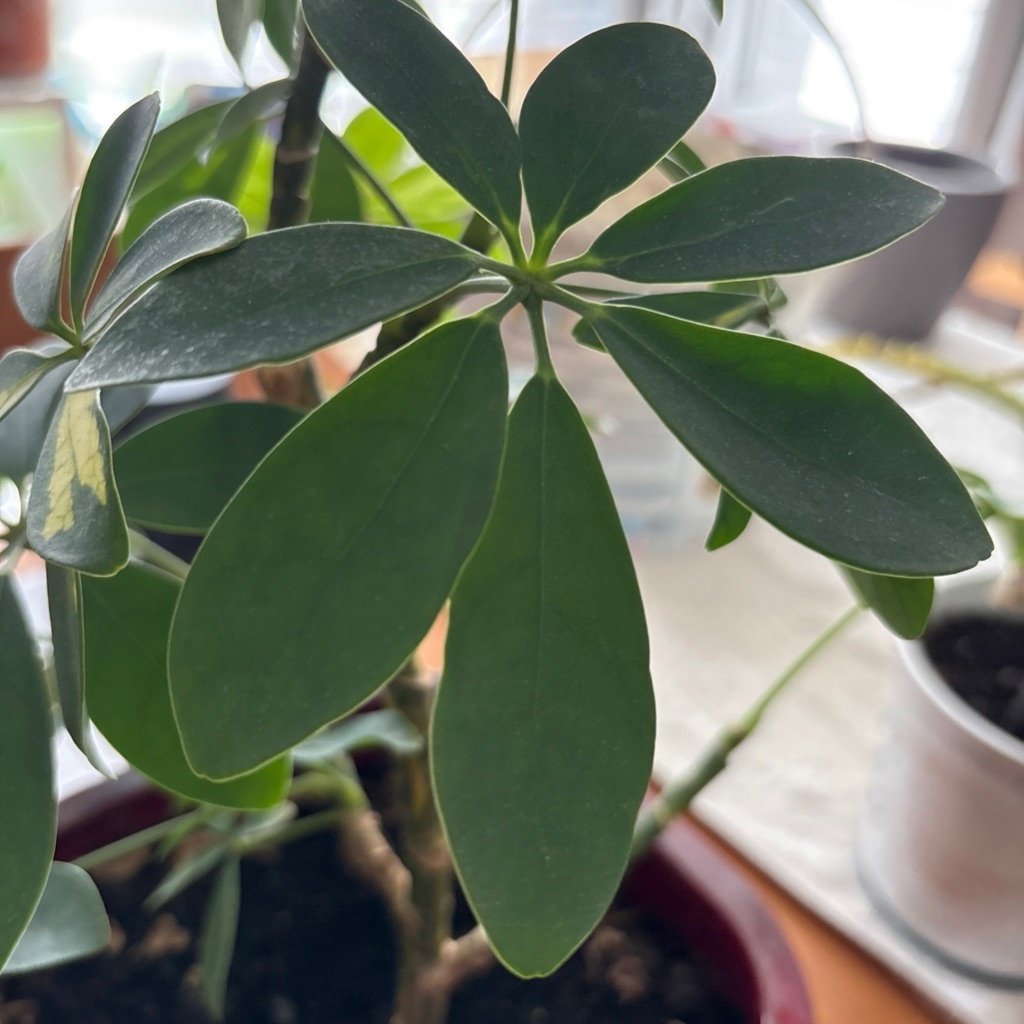
Schefflera
Heptapleurum arboricola, commonly known as the Schefflera or Umbrella Tree, is a popular houseplant renowned for its unique, glossy, star-shaped leaf arrangements. Native to Taiwan and Hainan, this plant typically features clusters of 7-9 leaflets, resembling an umbrella, hence its common name. It thrives indoors where conditions replicate its natural tropical environment. It grows to a manageable size, making it ideal for indoor spaces but can reach taller heights in favorable conditions. The Schefflera is not only admired for its aesthetic appeal but also for its ability to purify the air, making it a practical addition to home and office environments.
-
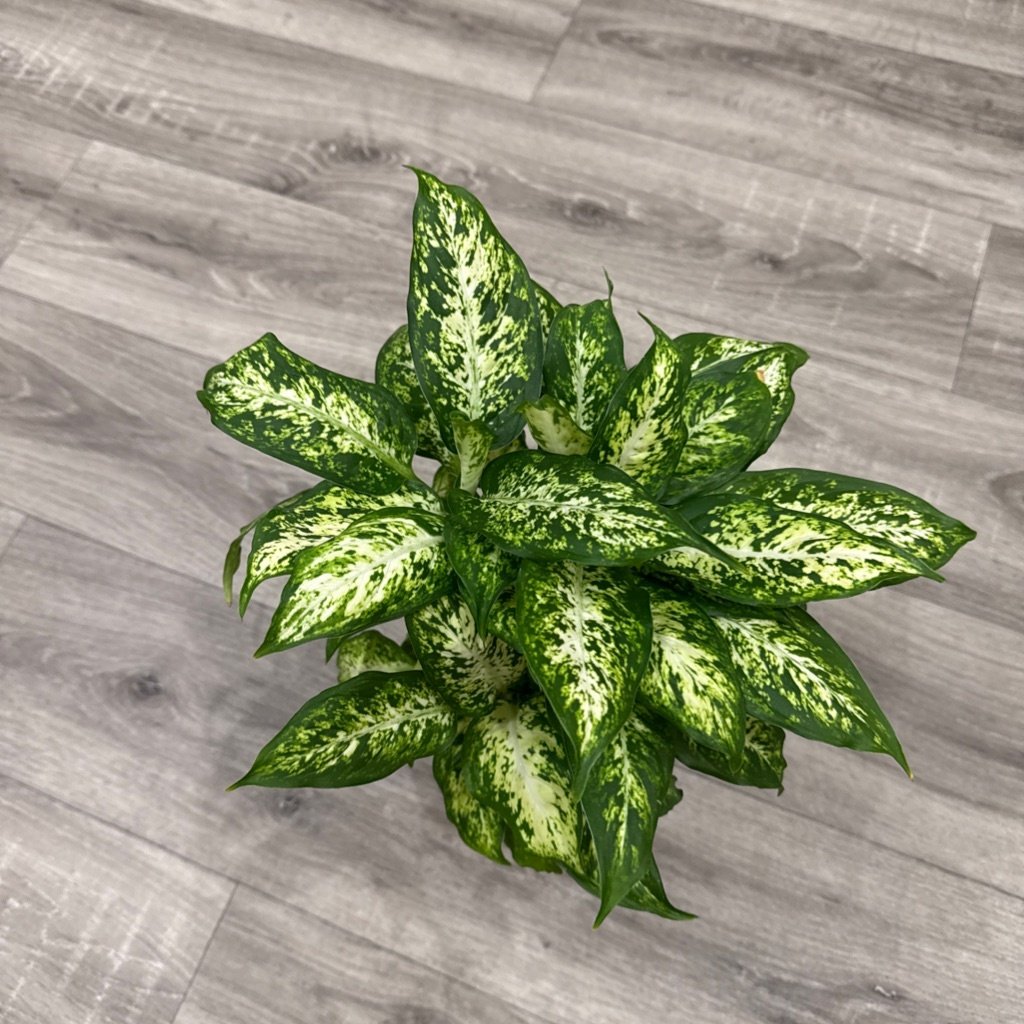
Dumb Cane
Dieffenbachia seguine, commonly known as Dumb Cane, is a popular houseplant native to the tropical rainforests of Central and South America. It is well-loved for its large, attractive leaves which bear striking variegated patterns of green, white, and sometimes yellow. The plant can reach up to six feet in indoor settings, though it typically remains smaller. It grows upright and features broad leaves that can extend over a foot in length. Care for this plant involves consideration for light, watering, and appropriate temperature to mimic its tropical origins. Dumb Cane is notable not only for its beauty but also for its ability to purify indoor air.
-
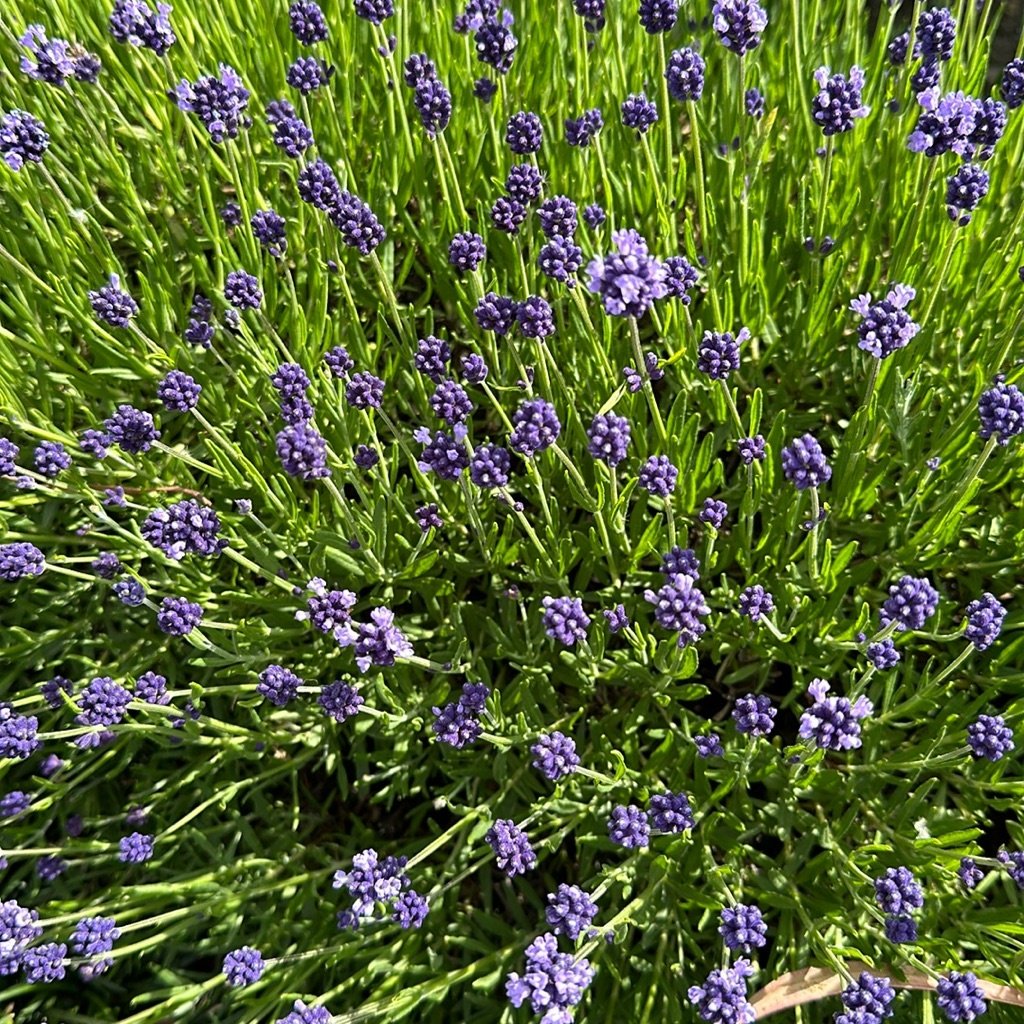
English lavender
Lavandula angustifolia, commonly known as English lavender, is a perennial bush prized for its fragrance and beauty. Characterized by its compact shrub form, it typically grows to a height of 1 to 2 feet with a similar spread. The plant features narrow, silvery-green leaves and is renowned for its aromatic purple flowers which bloom in late spring to early summer. Native to the Mediterranean region, English lavender is extensively used in gardens and landscapes but also cultivated for its oils, used in perfumery, aromatherapy, and culinary arts. It thrives in well-draining soil under full sun, symbolizing purity, devotion, and serenity.
-
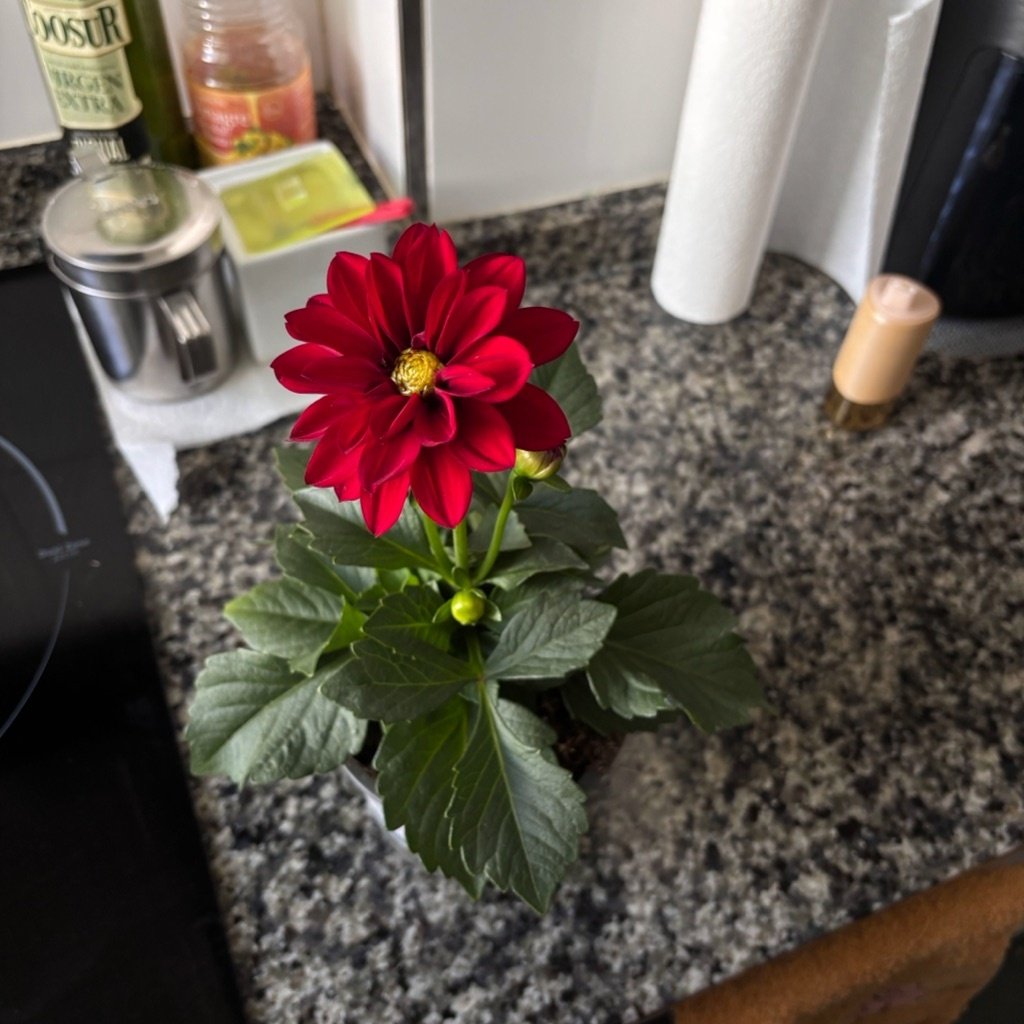
Dahlia
Dahlia pinnata, commonly known as Garden Dahlia, is a species of flowering plant in the daisy family. It is native to Mexico but has been widely cultivated for its striking and vibrant blooms. Dahlias feature a variety of shapes, sizes, and colors which make them popular in decorative gardens and floral arrangements. Typically, they grow between 2 and 4 feet tall and produce flowers from mid-summer until the onset of frost. Each flower is composed of a complex arrangement of petals that can be solid, bicolored, or variegated, adding delightful visual interest to any garden space.
-
Broadleaf plantain
Plantago major is a hardy perennial herb native to Eurasia and now naturalized worldwide. It forms a low basal rosette of broad, oval leaves with conspicuous parallel veins and long petioles. Tough fibrous roots let it thrive in compacted soils and withstand trampling. From spring through fall, leafless stalks (scapes) bear narrow spikes of tiny greenish flowers that mature into capsules with numerous small seeds; the seed coats become mucilaginous when wet. This species prospers in disturbed sites, lawns, paths, and field margins, tolerating mowing and poor soils. Traditionally, fresh leaves have been used as a poultice for minor cuts and stings; young leaves are edible cooked or raw, though mature foliage is fibrous. In gardens, it’s often a volunteer “weed,” yet it can be intentionally cultivated for culinary and medicinal use, pollinator value, and soil stabilization. Owing to its adaptability across soils, moisture levels, and light conditions, Plantago major is very easy to grow in containers or beds, especially in cool, temperate climates.
-
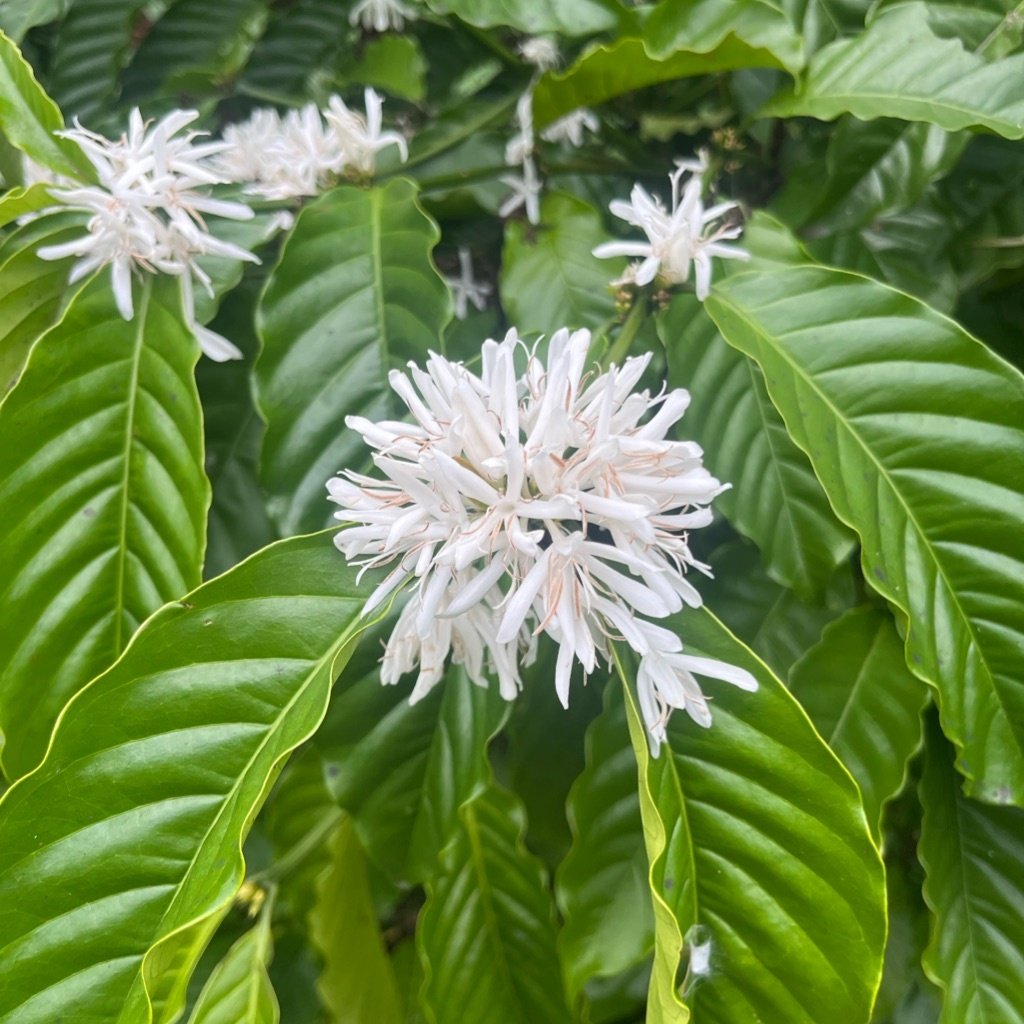
Arabica Coffee
Coffea arabica, commonly known as Arabica coffee, is a species of Coffea originally indigenous to the forests of the southwestern highlands of Ethiopia and the mountains of Yemen. It is also known for providing the majority of the world’s coffee production. Coffea arabica thrives under a canopy of trees, making it suitable for agroforestry. It features glossy, dark green leaves and small white flowers that have a sweet, jasmine-like fragrance. The plant produces red to purple cherries that contain two seeds, commonly referred to as coffee beans.
-
Lacy Tree Philodendron
Thaumatophyllum bipinnatifidum (formerly Philodendron bipinnatifidum), often called the Lacy Tree Philodendron, is a self-heading aroid native to subtropical South America. It forms a stout, trunk-like stem with age and produces impressive, deeply lobed, bipinnatifid leaves that can exceed 1 meter in length on mature specimens. Thick petioles and numerous aerial roots help anchor and support the plant as it becomes top-heavy. In habitat, it grows as a terrestrial plant in bright, dappled understory light and forest edges. Indoors, it is valued for its dramatic, architectural foliage and tolerance of typical household conditions. Given adequate space, warmth, and humidity, it can develop into a substantial specimen. The inflorescence consists of a spadix and spathe typical of Araceae, though flowering is uncommon indoors. While hardy in frost-free climates outdoors, it is generally kept as a container plant elsewhere. Handle with care: tissues contain calcium oxalate crystals that can irritate skin and mouth if chewed.
-
Fly agaric
Amanita muscaria, commonly called the fly agaric, is an iconic ectomycorrhizal mushroom recognized by its vivid red cap dotted with white warty patches (remnants of the universal veil), white free gills, and a skirt-like ring on a white stipe with a bulbous base. It partners with the roots of birch, pine, spruce, and other trees, exchanging mineral nutrients and water for sugars. Native across the boreal and temperate Northern Hemisphere and introduced in parts of the Southern Hemisphere, it fruits from late summer to early winter after rains and cool spells. Spore prints are white. While visually striking, it is toxic and psychoactive due to ibotenic acid and muscimol; ingestion can cause severe illness. This species is not suited to indoor cultivation or typical container “care,” as it depends on a living host tree and undisturbed, slightly acidic forest soils rich in organic litter. It plays an important ecological role in forest nutrient cycling and tree health.
-
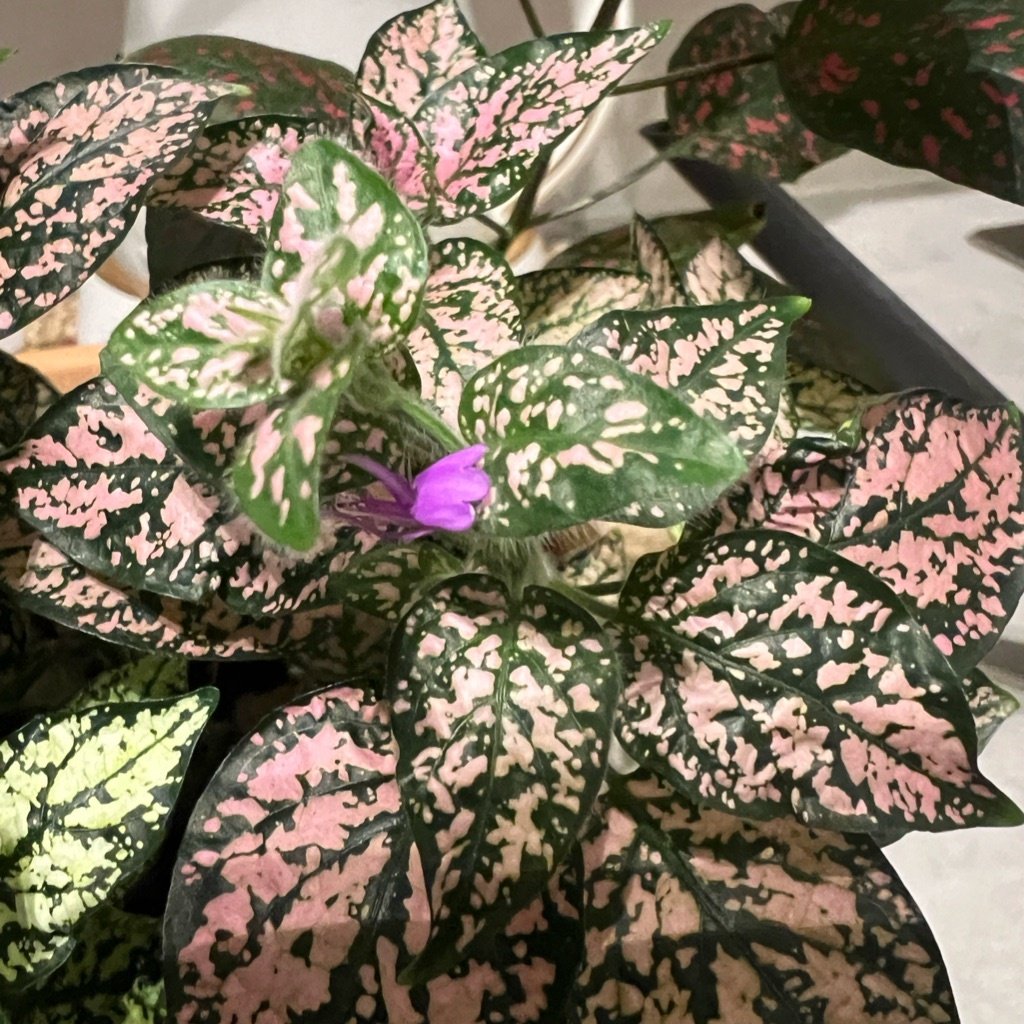
Polka Dot Plant
Hypoestes phyllostachya, commonly known as the Polka Dot Plant, is a vibrant and colorful herbaceous plant known for its spotted leaves. The foliage, which can vary from pink and green to red or white, presents unique patterns that enhance its visual appeal. Typically growing between 6 to 12 inches in height, this plant thrives in moist, warm climates and is often used for both indoor and outdoor decoration in shaded areas. Native to Madagascar, it’s well-suited for container gardening or terrariums and prefers a humid environment. When cared for correctly, it adds a splash of color to any setting.
