
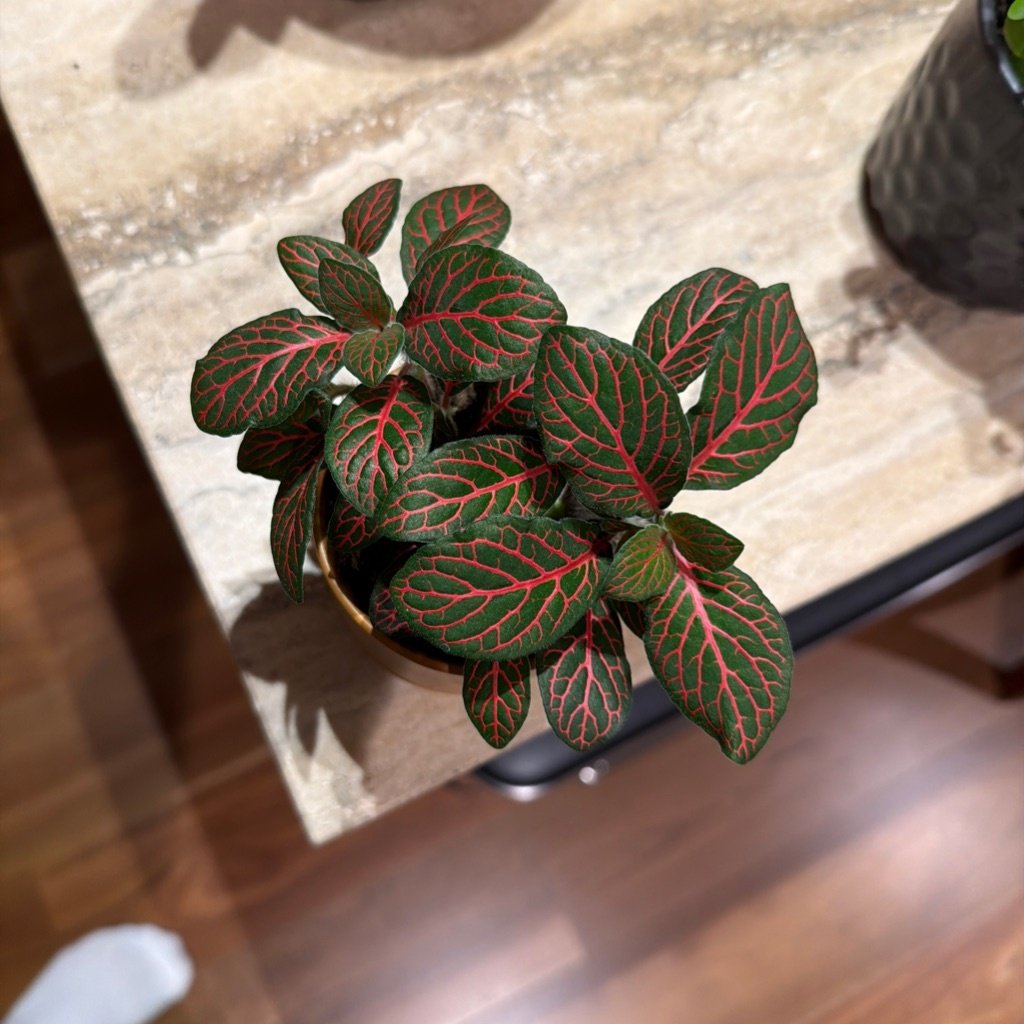
Fittonia albivenis, commonly known as the Nerve Plant, is a strikingly beautiful plant native to the tropical rainforests of South America, particularly Peru. It’s well-loved for its richly veined leaves that feature vivid contrasts, usually between green and white or red. The plant typically grows as a ground cover in its natural habitat, thriving under the canopy of trees, which provide high humidity and low light conditions. Nerve Plants are relatively small, typically only reaching up to 15 cm in height, making them perfect for terrariums, dish gardens, and as a desktop plant in homes and offices.
Archives: Plants
-
English holly
Ilex aquifolium, commonly called English holly, is a long-lived, evergreen tree or large shrub native to Atlantic and Mediterranean Europe. It typically forms a dense, conical crown, 3–10 m in gardens but up to 15–25 m in the wild. The glossy, leathery leaves are dark green, 5–10 cm long, with sharp spines on juvenile and lower shoots, becoming smoother with age or in shade. Small, fragrant, four-petaled white flowers appear in late spring and are dioecious; only female plants set the iconic bright-red berries after pollination by a nearby male. Fruits persist through winter, feeding birds while providing seasonal ornament and cut foliage. Bark is gray and smooth, twigs purplish. English holly thrives as an understory component of moist, acidic woodlands, coastal forests, and hedgerows, tolerating salt-laden winds and pruning. It is widely cultivated for hedging, topiary, and winter decoration, and can naturalize in suitable climates. Numerous cultivars offer varied leaf forms, variegation, and berry colors.
-
Chinaberry
Melia azedarach, commonly called chinaberry, is a fast-growing, deciduous tree in the mahogany family (Meliaceae), typically 7–15 m tall, occasionally to 20 m. It bears large, bipinnate, serrated leaves and profuse clusters of fragrant, lilac to pale purple starry flowers in spring. These mature to marble-sized yellow drupes that persist into winter and are eaten by birds, aiding spread. The rounded canopy, tolerance of heat, drought, urban pollution, and varied soils made it a popular shade and street tree, though it is invasive in many warm-temperate and subtropical regions. Wood is moderately durable and used locally for furniture. All parts, especially fruits, contain meliatoxins and are poisonous to people and pets if ingested. Best performance occurs in full sun with well-drained soil; young plants benefit from regular water, while established trees are notably drought tolerant. Pruning controls shape and reduces fruit litter.
-
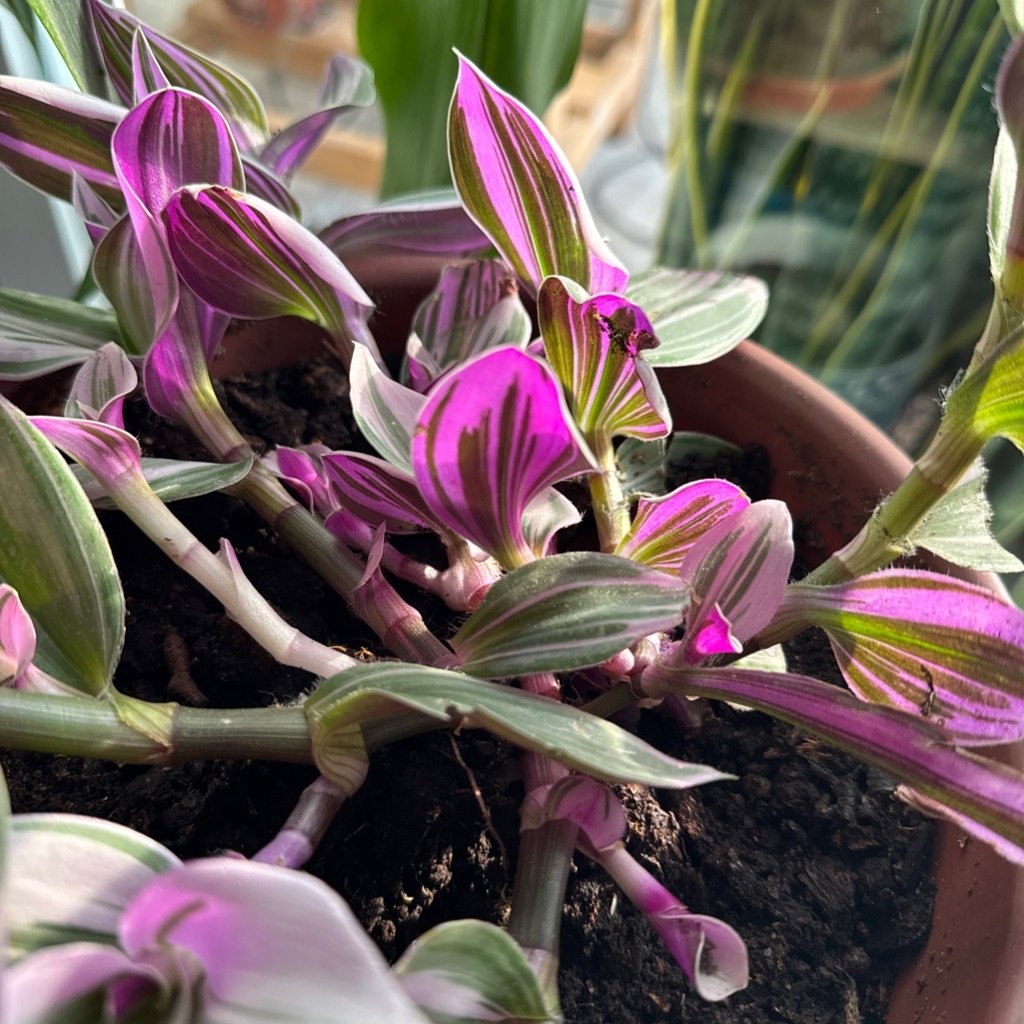
Wandering Jew
Tradescantia fluminensis, commonly known as the Wandering Jew, is a lush, evergreen perennial native to South America, particularly Brazil. It is known for its attractive, soft, green foliage with shiny leaves that are ovate in shape and grow quickly along trailing vines. This plant is often grown indoors for its cascading vines, which make it ideal for hanging baskets or as a ground cover in garden settings. It has a rapid growth rate and can become invasive in suitable climates if not properly managed.
-
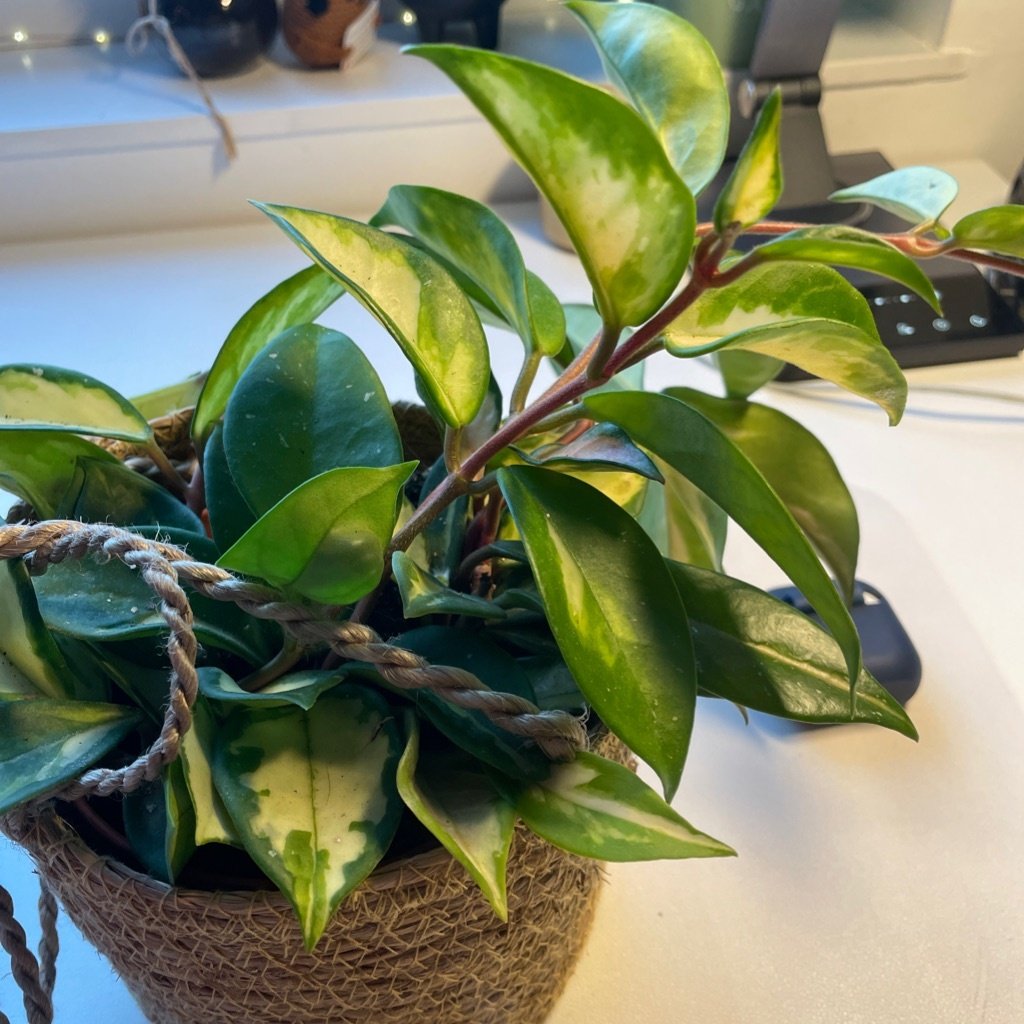
Wax Plant
Hoya carnosa, commonly known as the Wax Plant, is a lush, evergreen climbing vine that is widely admired for its waxy, porcelain-like flowers and thick, glossy leaves. The plant’s striking blooms are often star-shaped and typically appear in clusters. Hoya carnosa thrives as an indoor plant due to its minimal care requirements and its ability to adapt to a variety of home environments. This species is particularly loved by both novice and experienced gardeners for its ornamental appearance and its resilience against pests and diseases.
-
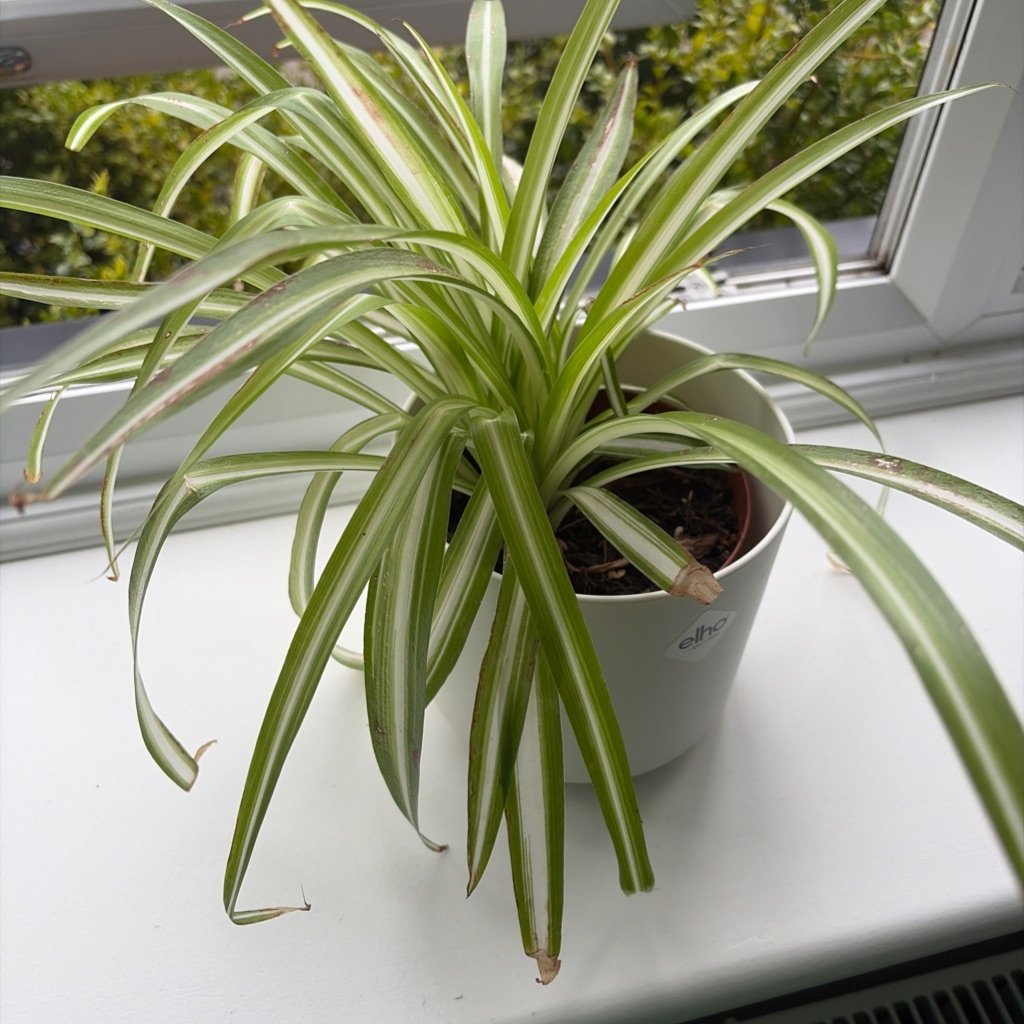
Spider Plant
Chlorophytum comosum, commonly known as the Spider Plant, is a perennial herb notable for its grass-like, arching variegated leaves and its production of small plantlets on hanging stolons. This plant is native to tropical and southern Africa but has become widely popular as an indoor plant globally due to its ease of care and ability to adapt to a variety of conditions. Spider Plants are well-regarded for their air-purifying qualities, removing pollutants like formaldehyde and xylene from indoor air. The graceful, cascading growth habit makes it ideal for hanging baskets or high shelves.
-
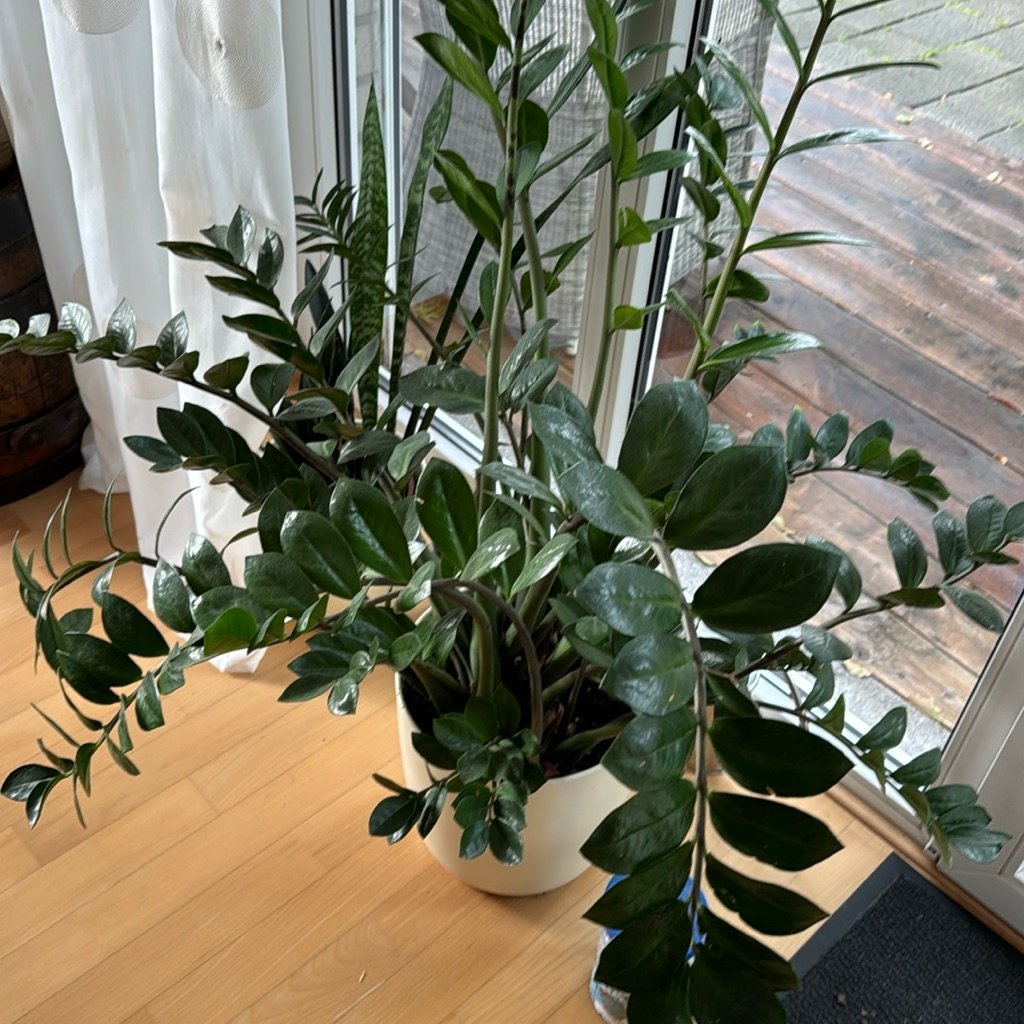
ZZ Plant
Zamioculcas zamiifolia, commonly known as ZZ Plant, is a tropical perennial plant native to Eastern Africa. Recognized for its waxy, lush green leaves, it features feather-like fronds that sprout from its sturdy rhizomes. The plant is highly appreciated for its robust nature and minimal care requirements, thriving well in low light conditions, making it ideal for indoor environments. The ZZ Plant is also known for its air purifying qualities and can help remove toxins like xylene and toluene from the air.
-
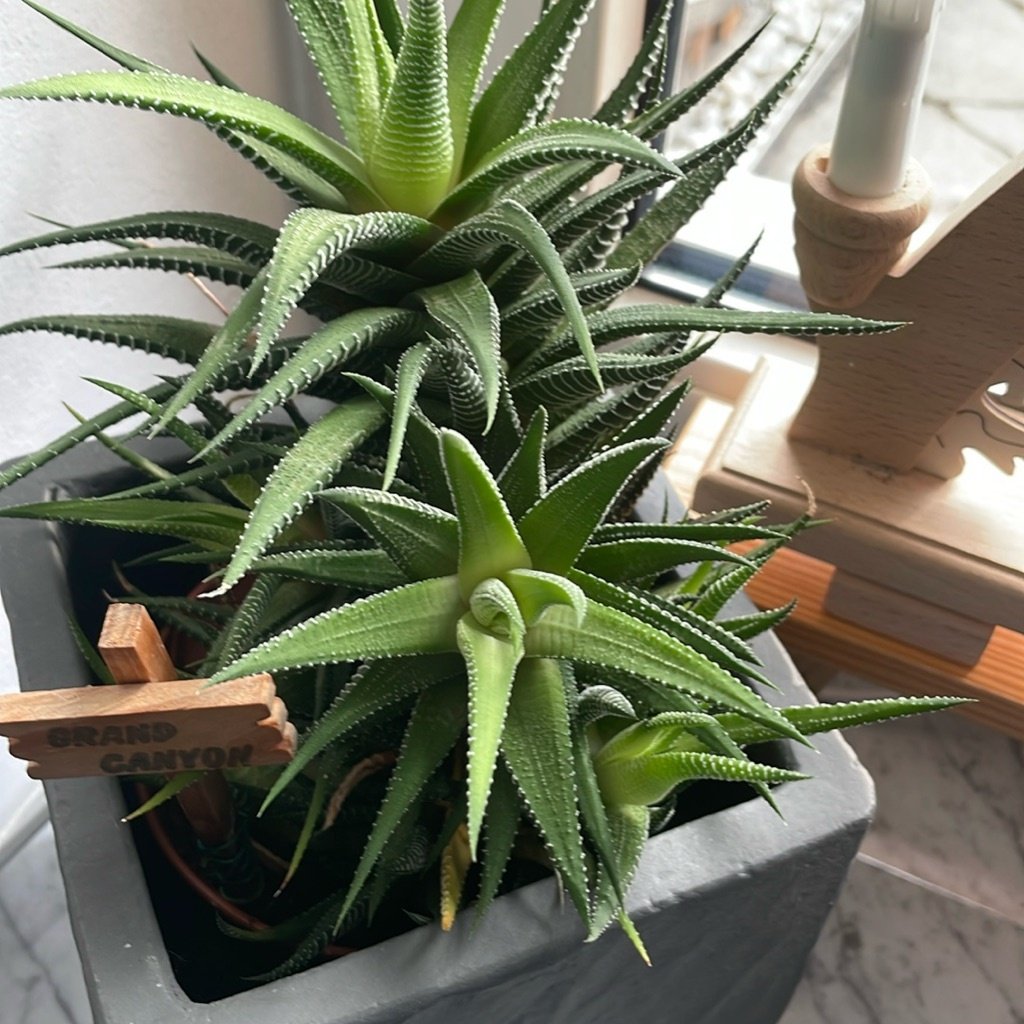
Zebra Haworthia
Haworthiopsis attenuata, commonly known as the Zebra Haworthia, is a compact, clump-forming succulent native to South Africa’s Eastern and Western Cape. It forms dense rosettes 6–12 cm across, typically reaching 10–15 cm tall. Stiff, triangular leaves are dark green to deep olive and marked with striking white, horizontal bands; unlike its close relative H. fasciata, H. attenuata often shows banding on both the outer and inner leaf surfaces. The leaves taper to a point and are arranged in tight spirals, creating an architectural, textured look well suited to small containers and modern interiors. In spring to early summer, mature plants produce slender inflorescences with small, pale, tubular flowers. Slow growing and drought tolerant, it thrives in bright, filtered light and gritty, fast-draining cactus/succulent mixes. With minimal feeding and careful watering, it remains one of the easiest desk or windowsill succulents for beginners and collectors alike.
-
Autograph Tree
Clusia rosea, commonly called Autograph Tree for its thick, leathery leaves that can be inscribed without harming the plant, is a rugged evergreen native to coastal parts of the Caribbean. In nature it may begin life epiphytically and develop into a large shrub or small tree, with a strong, sculptural form and opposite pairs of glossy, dark green leaves. Flowers are waxy, white flushed with pink, and lightly fragrant, though indoor flowering is uncommon; plants are typically dioecious. Outdoors in the tropics it tolerates wind, salt spray, and bright sun, making it a favorite for coastal hedges. As a houseplant it thrives in bright light, moderate humidity, and a well-drained, slightly acidic to neutral potting mix. Growth is steady and compact, and the plant is forgiving of brief drought but sensitive to chronic waterlogging. Milky latex sap can irritate skin, and the fruits’ sticky seeds are bird-dispersed.
-
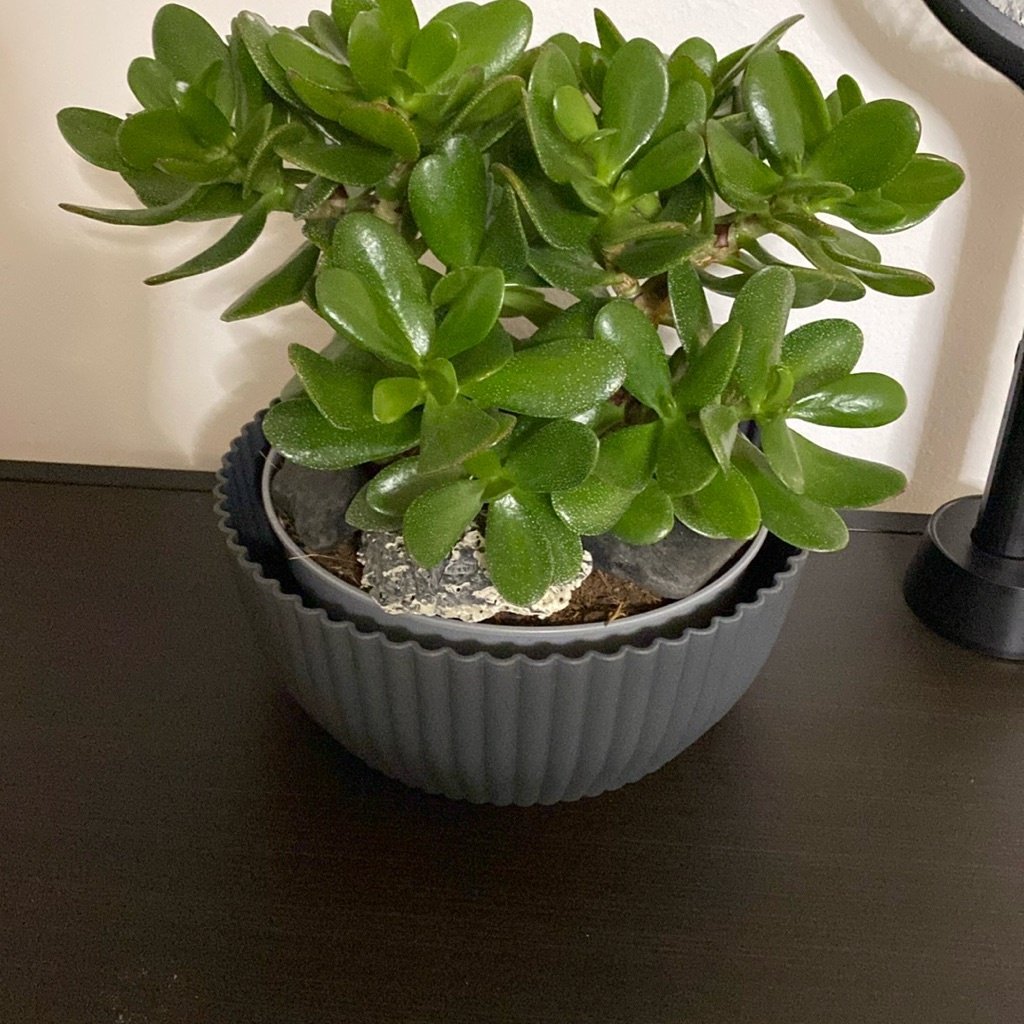
Jade Plant
Crassula ovata, commonly known as the jade plant, is an evergreen succulent shrub native to southern Africa. It forms a woody, tree-like structure with thick, glossy, opposite leaves that store water, enabling exceptional drought tolerance. Mature plants develop sturdy, gray-brown trunks and branching heads that can be pruned to create bonsai-like forms. In high light, leaf margins often blush red; in midwinter, older plants may produce clusters of small, starry, white to pale pink flowers when nights are cool and days are bright. As a CAM photosynthesizer, it opens stomata at night to conserve moisture. Jade plants are long-lived and forgiving, provided they grow in a sharply draining, mineral-rich mix and are watered sparingly. They are sensitive to prolonged cold and excessive soil moisture, which can cause root rot. Indoors, they thrive in bright windows and adapt well to container culture. Pests are uncommon but may include mealybugs and scale, especially under low light or overfertilized conditions.
