
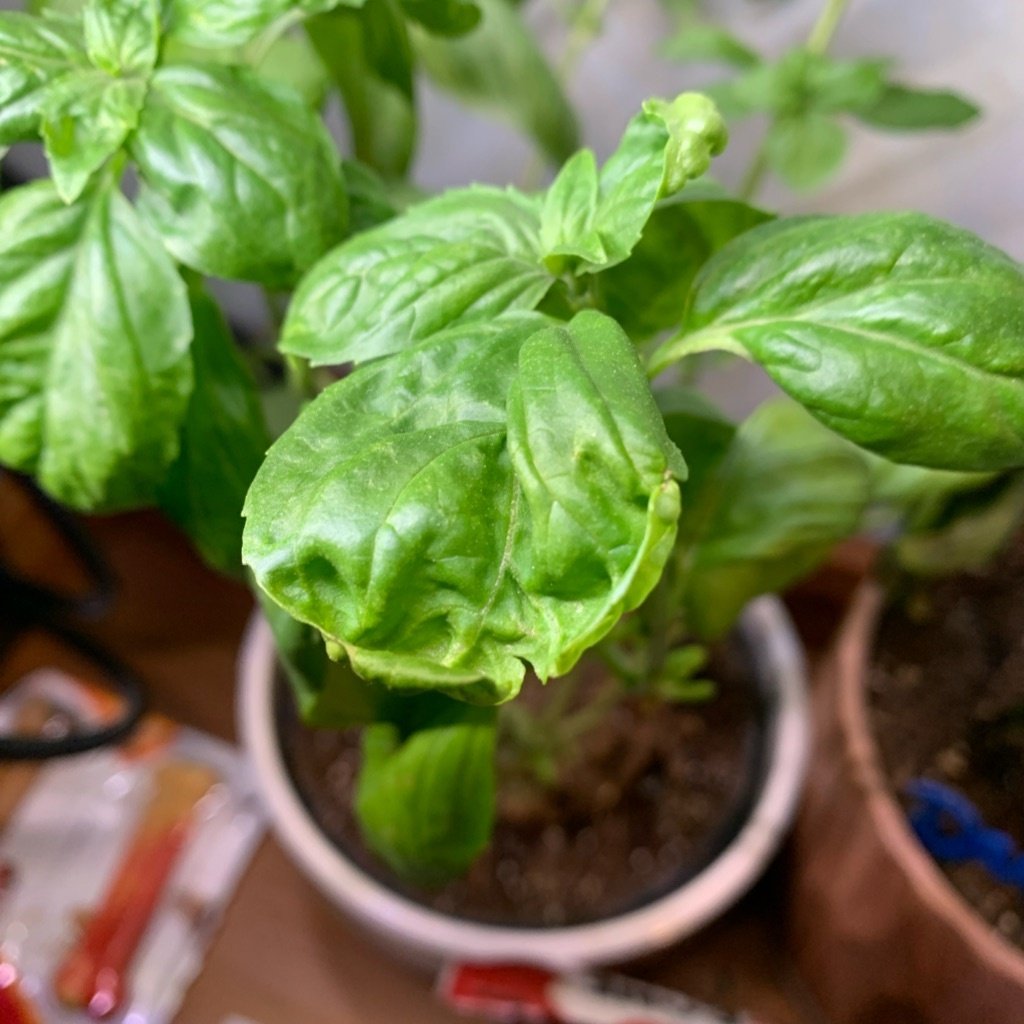
Ocimum basilicum, commonly known as sweet basil, is a fragrant annual herb belonging to the mint family. It originates from tropical regions in Central Africa and Southeast Asia but has become widely popular worldwide for its aromatic leaves, which are used in a variety of cuisines, particularly Italian and Southeast Asian dishes. Growing up to 30 to 60 cm tall, sweet basil boasts glossy, oval leaves and small, white flowers that bloom on a terminal spike. Its leaves are the main culinary source, although the flowering tips can also be used for flavoring. Sweet basil is also noted for its medicinal properties, which include digestive and anti-inflammatory benefits.
Archives: Plants
-
Purslane
Portulaca oleracea, commonly called purslane, is a prostrate, mat-forming annual succulent with smooth, reddish, branching stems and fleshy, spoon-shaped leaves clustered at the nodes. Small, five-petaled yellow flowers open only in bright sun and quickly mature into seed capsules, allowing the plant to self-sow readily. Exceptionally drought- and heat-tolerant, it thrives in poor, sandy, or compacted soils and is widespread as a cosmopolitan weed of disturbed ground. It is also cultivated as an edible green: the crisp leaves and stems have a refreshing, lemony, slightly salty flavor and are notable for high levels of alpha-linolenic acid (omega-3), vitamins, and minerals. Purslane uses efficient C4 photosynthesis and can shift toward CAM-like behavior under severe drought, conserving water. In gardens and containers it makes a tough, low-care groundcover and edging plant, spilling attractively over walls and between paving stones, while its flowers attract small pollinators. Because it seeds freely, timely harvesting or deadheading helps keep it in check.
-
Bay Laurel
Laurus nobilis, commonly known as Bay Laurel, is an aromatic evergreen tree or large shrub with green, glossy leaves. It is native to the Mediterranean region and can grow up to 10-18 meters in height. Bay Laurel is widely used in cooking for its distinctive flavor and fragrance, and its leaves are often used dried or fresh in various dishes. Apart from culinary uses, Bay Laurel is also valued for its ornamental appeal and is commonly grown as a hedge or topiary. The plant produces small yellow flowers in the spring followed by black or purple berries in the fall.
-
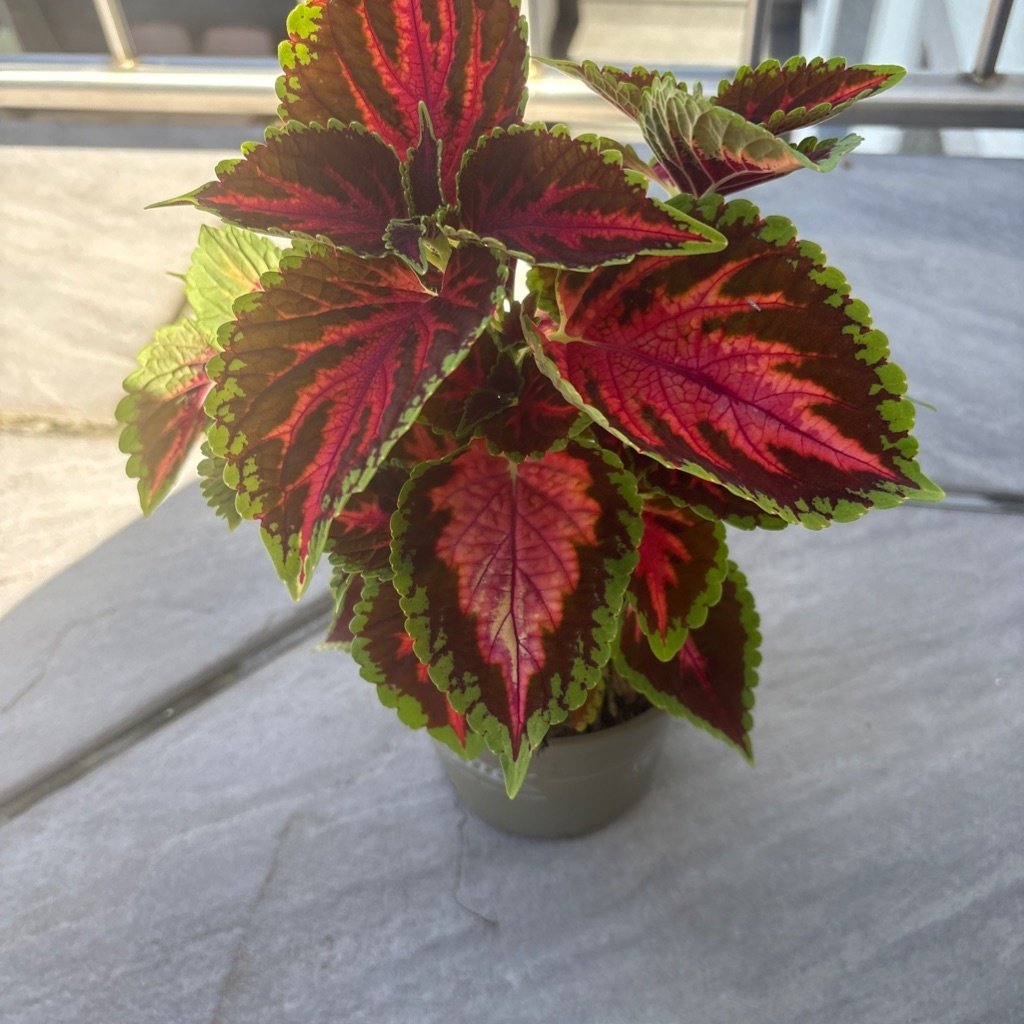
Coleus
Coleus scutellarioides, commonly known as Coleus, is a vibrant and diverse species of flowering plants in the family Lamiaceae. Known for its strikingly colorful leaves, Coleus exhibits a wide variety of shades from pink and red to yellow and green. This plant typically grows as an annual in temperate climates but can be perennial in tropical conditions. It reaches up to 30-60 cm in height and displays a bushy, dense growth habit. The leaves are broad and highly decorative, making it a popular choice for both indoor and outdoor gardening. Coleus flowers are less noticeable, being small and spiky.
-
Giant Taro
Alocasia macrorrhizos, commonly called Giant Taro, is a monumental aroid prized for its architectural foliage and fast growth in warm, humid climates. It forms a stout, trunk-like corm and tall, upright petioles bearing glossy, shield-shaped leaves that can reach 1-2 m long, creating a dramatic, umbrella-like canopy. In the ground it may attain 3-5 m tall, while large containers keep it more compact. Native to tropical Asia’s forest margins and clearings, it thrives in fertile, consistently moist soils with high humidity and excellent drainage. New leaves unfurl sequentially from the center as older leaves are shed. All parts contain calcium oxalate crystals and are irritating or toxic if eaten raw; some cultures process parts extensively to render them edible. As an ornamental, it excels in shaded gardens, courtyards, and conservatories where bright, filtered light and warmth are reliable. Not frost tolerant, it stalls below about 15 C but rebounds rapidly when temperatures and light improve.
-
Rose-scented geranium
Pelargonium graveolens, commonly called the rose-scented geranium, is an evergreen, shrubby pelargonium native to southern Africa. Growing 60–120 cm tall, it bears soft, velvety, deeply lobed leaves packed with glandular hairs that release a distinctive rose-like fragrance when brushed. Clusters of pale pink to mauve flowers, often veined in darker tones, appear from spring through summer and attract bees and other pollinators. The aromatic foliage is distilled to produce geranium essential oil prized in perfumery, aromatherapy, and flavoring. In cultivation, it prefers bright light, lean, sharply drained soils, and modest watering, thriving in containers, herb gardens, and sunny borders. Plants respond well to pruning, which maintains a compact form and stimulates fresh, aromatic growth suitable for potpourri and culinary garnishes. Though tolerant of heat, wind, and short dry spells, it is tender to frost and typically overwintered indoors in cold climates. Its resilience, fragrance, and versatility make it a favorite for scented collections and low-maintenance, drought-aware plantings.
-
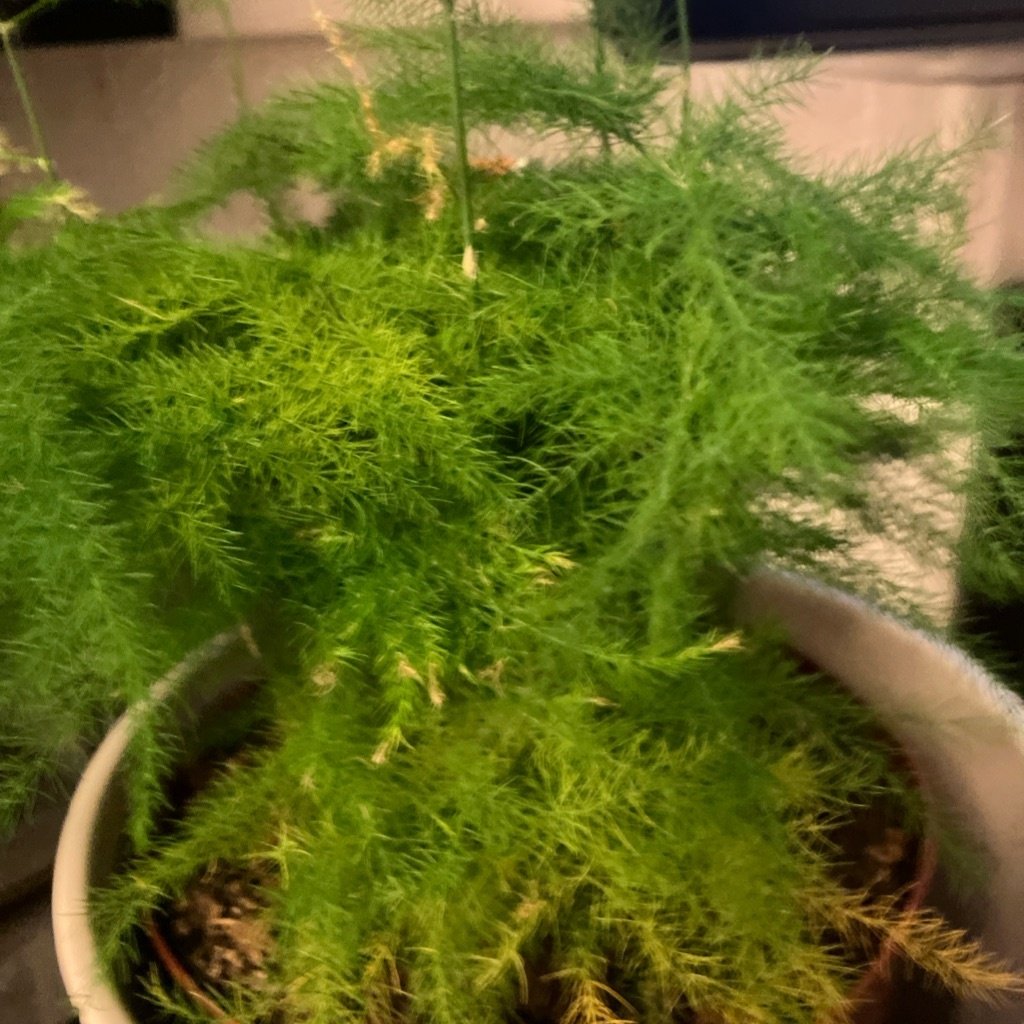
Asparagus fern
Asparagus setaceus, commonly called the asparagus fern, is not a true fern but a member of the Asparagaceae. It produces delicate, feathery cladodes (modified stems) that resemble soft foliage, borne on wiry, often scrambling stems with small, inconspicuous prickles on older growth. In favorable conditions it bears tiny, fragrant white flowers followed by glossy black berries. Native to southern Africa, it thrives in bright, filtered light with steady moisture and moderate humidity. Indoors it’s valued for its airy texture and cascading habit in hanging baskets or trained on small trellises. It responds well to regular pruning, which encourages dense growth. Allowing the rootball to dry hard can cause yellowing and cladode drop; conversely, poorly drained soil invites root rot. Handle with care: sap may irritate skin and berries are mildly toxic if ingested. Given even moisture, periodic feeding, and indirect light, it’s a reliable, enduring houseplant.
-
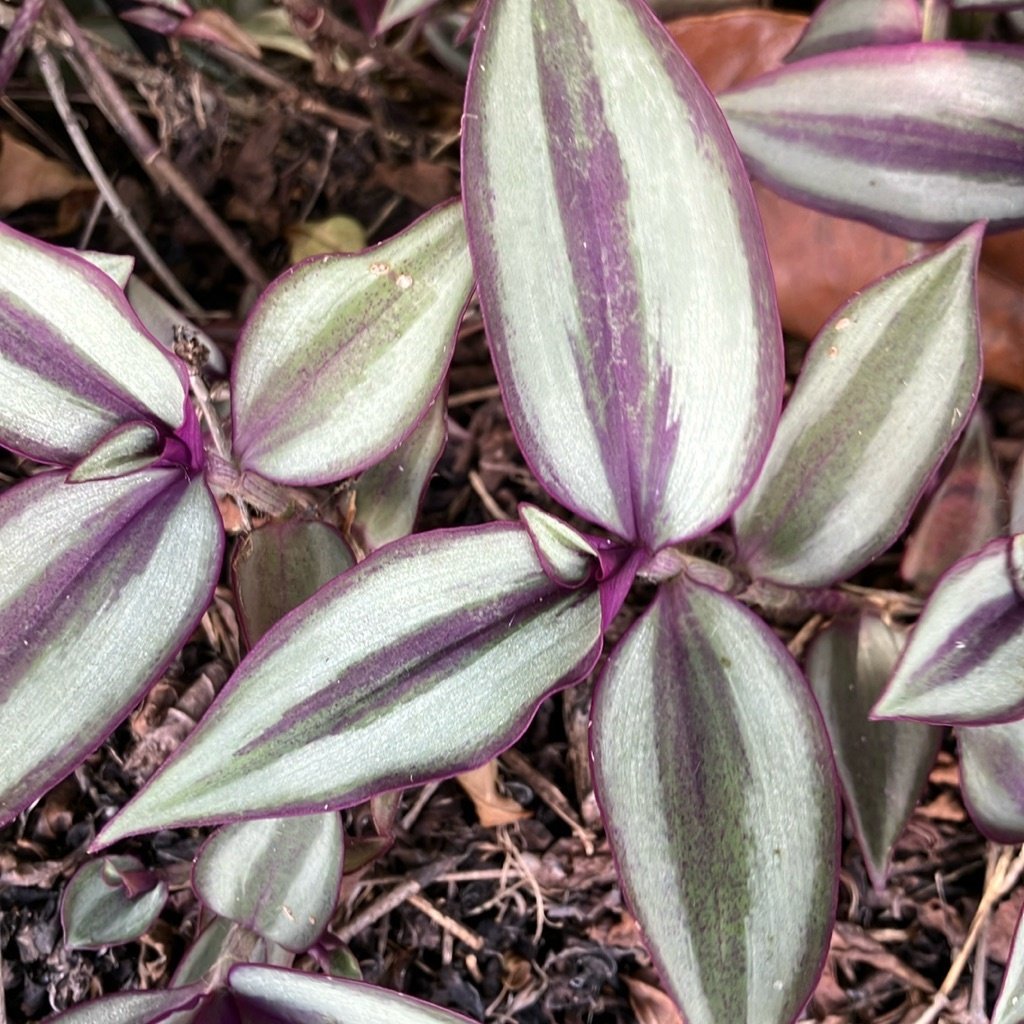
Wandering Jew
Tradescantia zebrina, commonly known as the Wandering Jew or Inch Plant, is a fast-growing, evergreen perennial known for its striking foliage. The leaves are glossy with a deep purple underside and a patterned green and silver upper surface, creating a shimmering effect. This plant is highly adaptable and can be grown both as a houseplant and outdoors in suitable climates, typically used for ground cover or in hanging baskets due to its trailing growth. Tradescantia zebrina propagates easily, making it popular for spreading quickly in gardens or for sharing with friends.
-
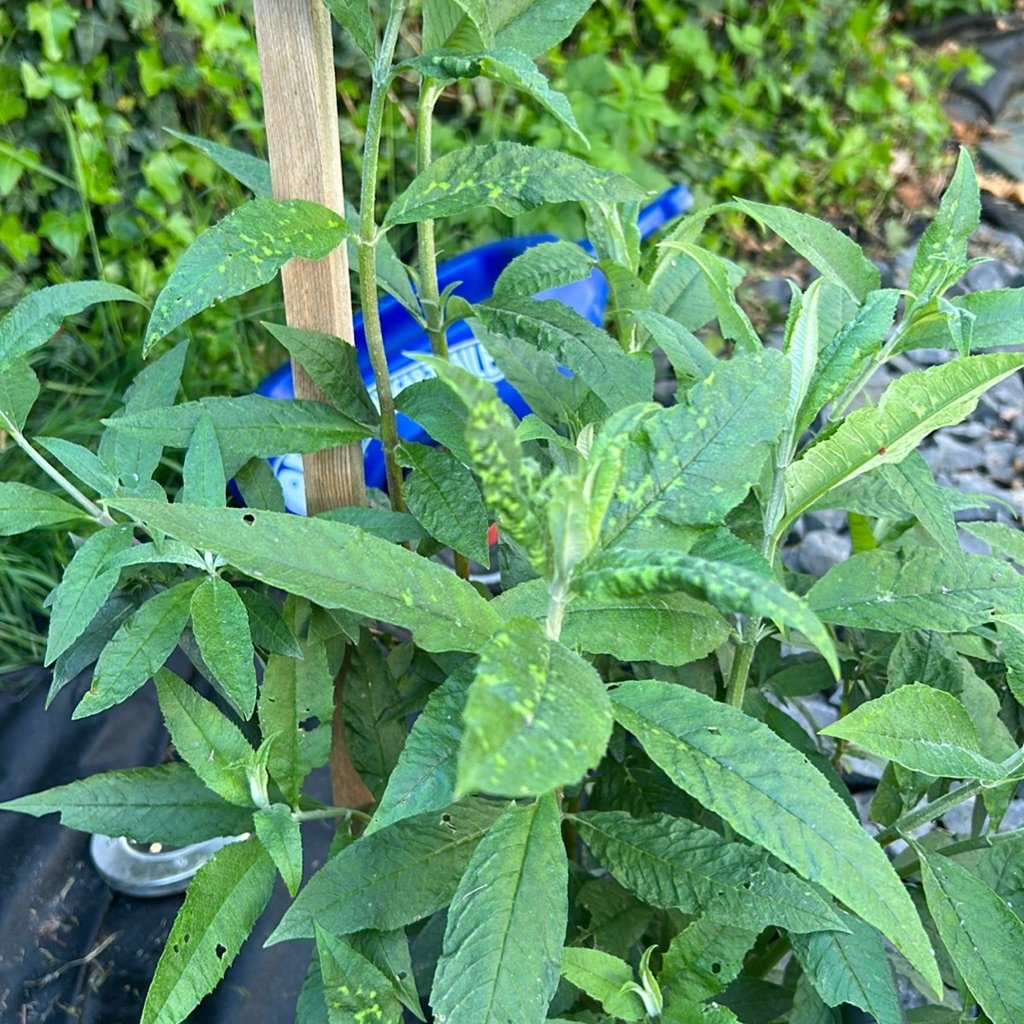
Butterfly Bush
Buddleja davidii, commonly known as the Butterfly Bush, is a deciduous or semi-evergreen shrub renowned for its ability to attract butterflies and other pollinators. Originating in China, this plant can grow up to 5 meters in height and spreads 2 to 4 meters wide. It features long, panicle-like clusters of fragrant flowers ranging in color from purple and pink to white. The blooms typically appear from mid-summer to early autumn. Buddleja davidii thrives in full sun and well-drained soils, making it a popular choice for garden borders and wildlife gardens. Its rapid growth and prolific seeding ability can make it invasive in certain climates.
-
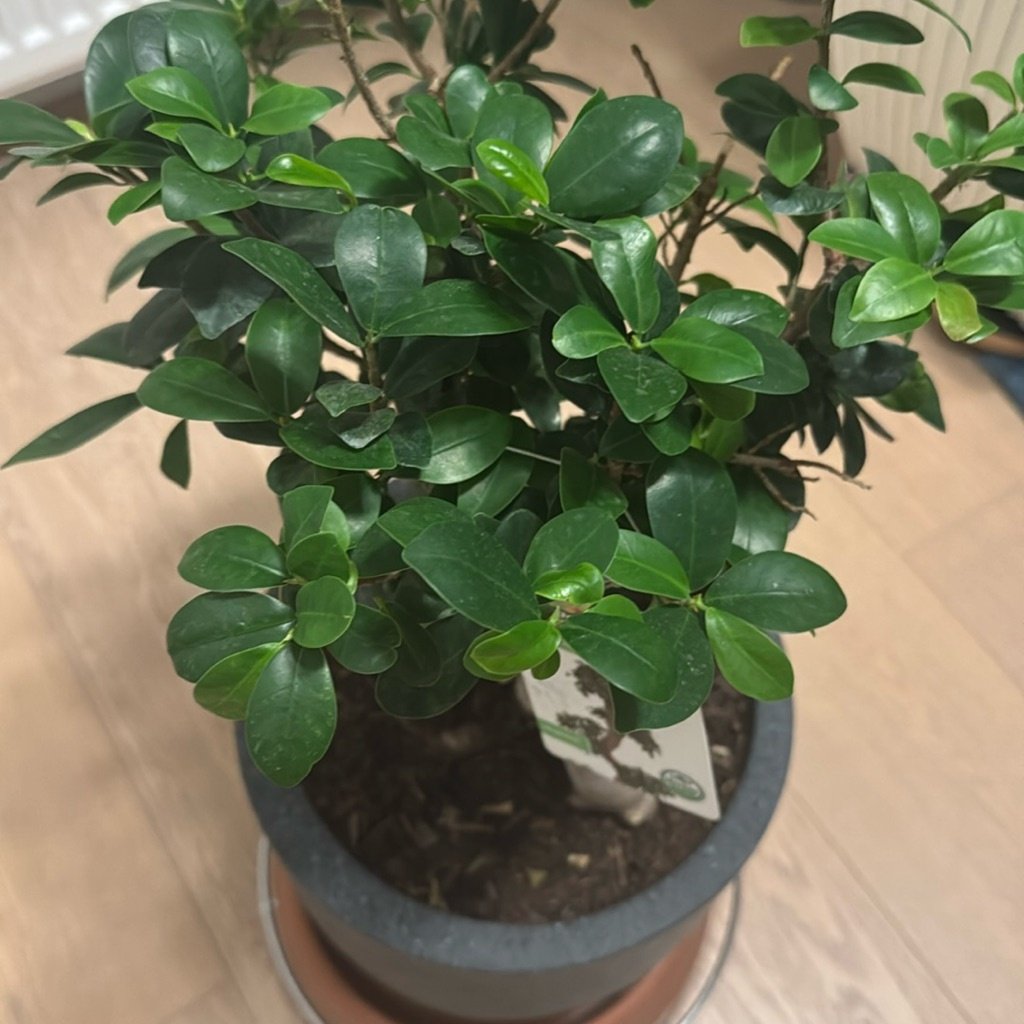
Chinese Banyan
Ficus microcarpa, commonly known as the Chinese Banyan, is a species of fig tree native to parts of Asia, including India, Sri Lanka, China, and Malaysia. This evergreen tree is easily recognizable by its thick, gnarled trunk and dense canopy of glossy, oval leaves. In its natural habitat, Ficus microcarpa can grow to majestic heights, but when cultivated as a houseplant or bonsai, it is typically pruned to a manageable size. This plant is very popular in bonsai due to its ability to thrive in a variety of conditions and its impressive root structure, making it an excellent choice for beginners and enthusiasts alike.